


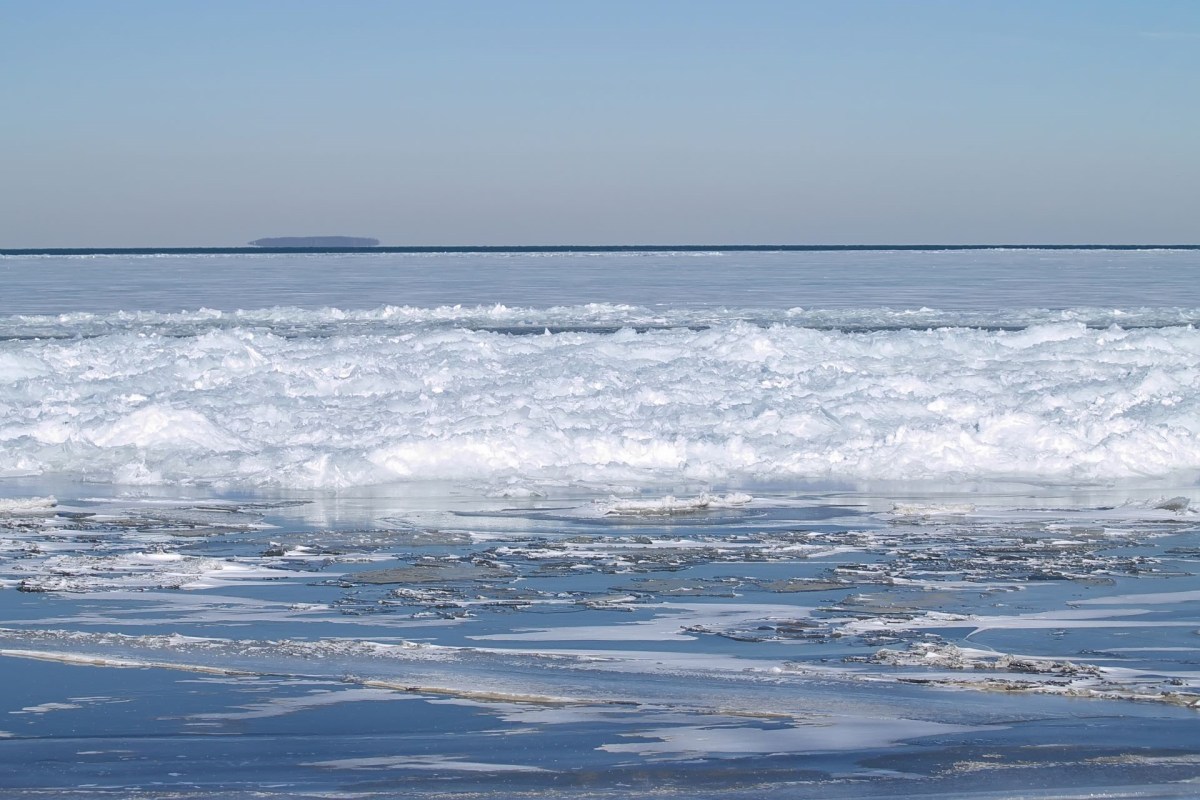
An 80-mile crack has formed on the ice covering Lake Erie.
The crack stretches from approximately Port Burwell, Ontario, to Cleveland.
What's happening?
As The Detroit News reported, the National Oceanic and Atmospheric Administration recently captured footage of the enormous crack.
In a post to the social media platform X, NOAA Satellites (@NOAASatellites) wrote, "@NOAA's #GOESEast (#GOES19) satellite captured a massive fracture forming in the lake ice yesterday."
Maybe the ice really IS all it's cracked up to be on #LakeErie! 🧊@NOAA's #GOESEast (#GOES19) satellite captured a massive fracture forming in the lake ice yesterday. It was approximately 80 miles long, stretching from Port Burwell, Canada, to near Cleveland, Ohio. pic.twitter.com/aQpeP8raYo
— NOAA Satellites (@NOAASatellites) February 9, 2026
Lake Erie has had an abnormal amount of ice coverage this year. On Feb. 8, it was 95.4% blanketed, per the News. Based on data from 1973 to the present, the average amount of ice covering Lake Erie on Feb. 2 every year is 54.4%.
Why is this ice crack significant?
The crack is concerning because of the significant safety risks it poses.
TCD Picks » Quince Spotlight
💡These best-sellers from Quince deliver affordable, sustainable luxury for all




Even when a lake is almost entirely covered in what appears to be solid and stable ice, massive cracks can exist. The extent of these cracks is difficult to assess with the human eye and is often only detected by satellite.
Moving water below the ice and high winds can cause huge cracks such as the one in Lake Erie. Anyone attempting to cross the ice-covered lake or recreate on it could be putting their life at severe risk without even realizing it.
The broader perspective is that the Great Lakes have experienced abnormally high ice cover this year. Such extensive freeze events influence regional weather patterns, including reduced lake-effect snow.
In other places, researchers have discovered surprising landscapes below miles of ice and massive ice craters tied to changes in the global climate.
TCD Picks » Quince Spotlight
💡These best-sellers from Quince deliver affordable, sustainable luxury for all
|
What's the most you'd pay per month to put solar panels on your roof if there was no down payment?
Click your choice to see results and speak your mind. |
 $200 or more 💰
 How can I be safe on an icy lake?
Satellite data, especially from reputable sources who post about it on social media, helps raise public awareness of ice safety. Before you visit a lake during winter, contact a park ranger or visit the recreational area's website to learn about any safety issues that may exist.
It's also beneficial to educate yourself about critical climate issues such as ice formation, ice cracks, and ice melt so you are prepared for outdoor adventures. Sharing what you learn with others could even save someone's life if ice conditions are unstable and unpredictable.

Get TCD's free newsletters for easy tips to save more, waste less, and make smarter choices — and earn up to $5,000 toward clean upgrades in TCD's exclusive Rewards Club.







