


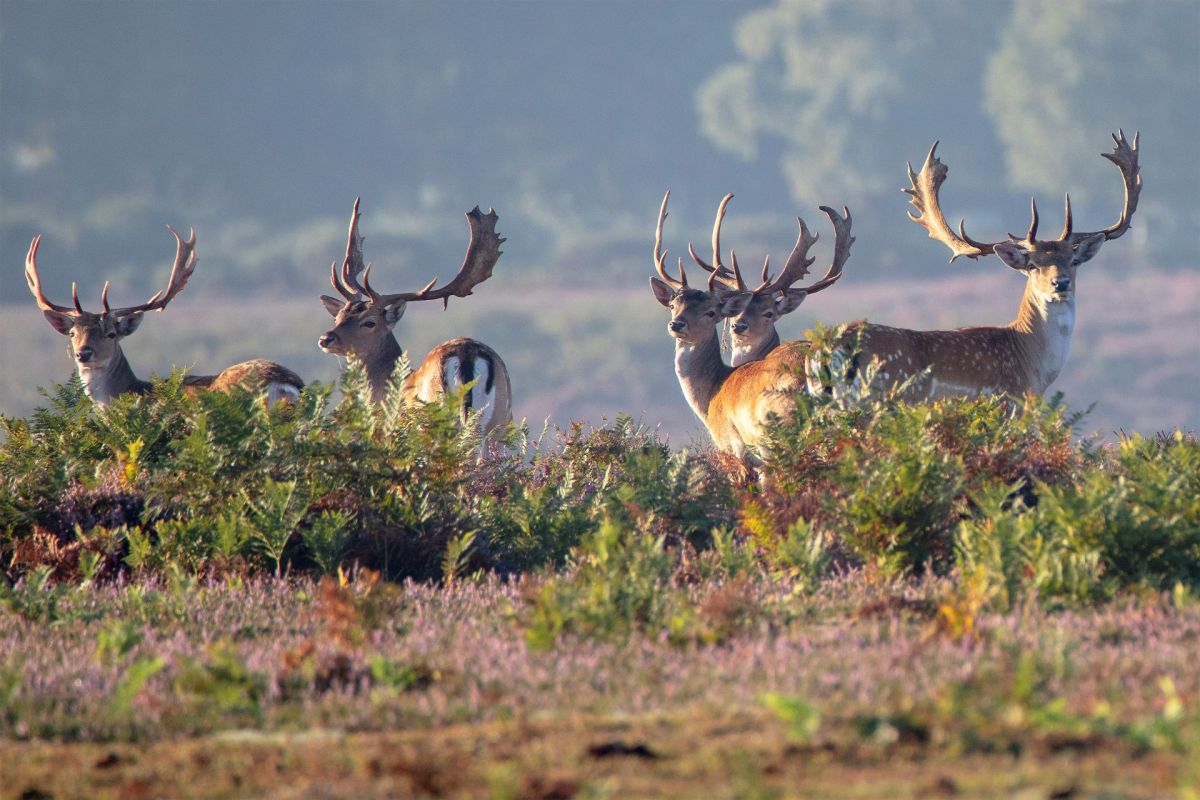
Deer trapped and dying in temporary fencing installed by Anglian Water have become an upsetting and unexpected reality for walkers in rural Lincolnshire.
What's happening?
In fields between the villages of Mansthorpe and Wilsthorpe, post-and-rope fencing was installed as part of Anglian Water's Strategic Pipeline project. However, that fencing has repeatedly caught deer attempting to pass through their usual routes, according to the BBC.
Jessica Groucott and her mother, Nicole, regularly walk their dogs in the area. They said they have personally freed three trapped deer within a two-mile radius. Another animal wasn't as lucky. On one occasion, two stags became entangled together, and one died.
"It's absolutely heartbreaking," Groucott told the BBC, describing spending an hour calming one exhausted deer enough to cut it free. "I don't know if they give up or if they're so tired they just can't fight anymore."
Why is fencing concerning?
As human development expands into once-rural spaces, wildlife often keeps using the same paths it has for generations, even when those routes suddenly include hazards.
Deer are particularly vulnerable because they travel long distances along habitual corridors, a pattern increasingly disrupted by roads, construction zones, and barriers that weren't designed with animals in mind.
TCD Picks » Quince Spotlight
💡These best-sellers from Quince deliver affordable, sustainable luxury for all




Similar concerns have surfaced elsewhere, with experts warning that rising wildlife encounters near growing cities are a sign of shrinking, fragmented habitats. Researchers studying deer behavior have also cautioned that continued disruption could cause local populations to vanish from areas where they once thrived.
What's being done to help the deer?
Anglian Water said it has now removed the rope fencing where incidents were reported and instructed crews not to use post-and-rope barriers in areas with deer populations.
The company also committed to reviewing wildlife presence along the pipeline route to prevent similar situations going forward.
More broadly, wildlife advocates have said solutions already exist. Better fencing designs allow animals to pass safely, and pre-construction wildlife surveys can flag migration paths before work begins. Wildlife crossings and corridors can also provide clear routes for animals to walk.
TCD Picks » Quince Spotlight
💡These best-sellers from Quince deliver affordable, sustainable luxury for all
|
What's the most you'd pay per month to put solar panels on your roof if there was no down payment?
Click your choice to see results and speak your mind. |
 $200 or more 💰
 Simple planning changes can make a meaningful difference when projects intersect with living ecosystems.
For residents, reporting incidents quickly and pushing for accountability matters. So does supporting policies that require infrastructure projects to consider wildlife impacts from the start, rather than reacting after harm occurs.
As communities continue to grow, we can make sure development doesn't come at the expense of animals.

Get TCD's free newsletters for easy tips to save more, waste less, and make smarter choices — and earn up to $5,000 toward clean upgrades in TCD's exclusive Rewards Club.







