


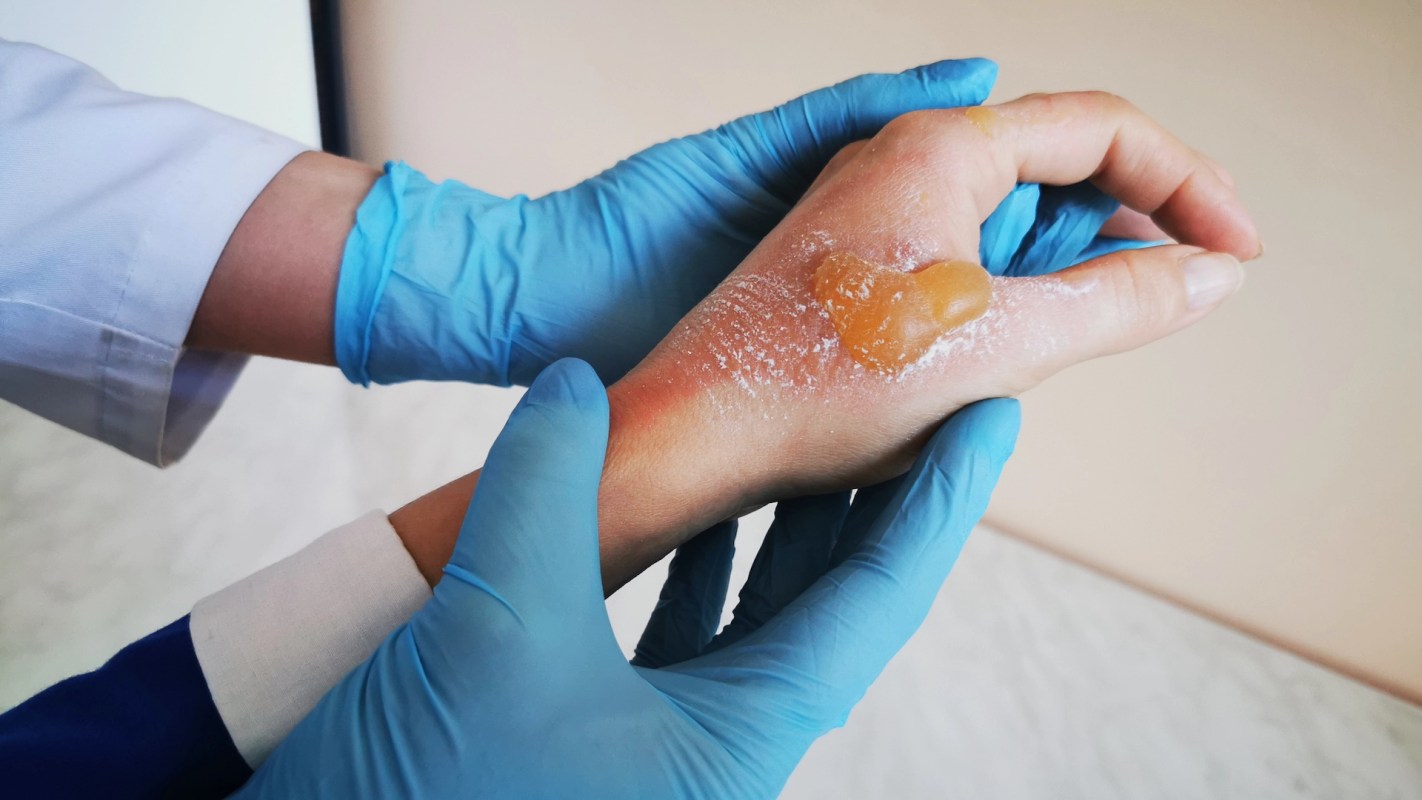
Severe hurricanes are leaving behind more than property damage, according to medical experts tracking down a deadly menace.
What's happening?
A skin-melting bacterium called Vibrio vulnificus is hitching a ride on hurricane floodwaters and infecting a growing number of people.
Experts wrote in the journal Cureus that the bacterium is a "silent killer," with grotesque damage documented in photos from two case studies. The victims' limbs were terribly damaged from knee to foot, with blisters and flesh that was sloughing off the legs.
The people were infected after Hurricane Helene made landfall in Florida in 2024. The bacteria washed ashore with warm floodwaters, per the report.
"Their parallel courses, one salvaged with medical therapy, the other requiring timely surgical debridement, illustrate the importance of prompt identification and treatment," the experts wrote.
Why are the infections concerning?
The National Library of Medicine reported that up to 50% of people infected can die, making increased cases worrisome.
TCD Picks » Quince Spotlight
💡These best-sellers from Quince deliver affordable, sustainable luxury for all




Researchers studying the Helene victims said that warming ocean waters are contributing to the spread of the bacteria. Our seas store about 91% of Earth's excess heat, which is increasing due to the continued burning of oil, coal, and gas for energy, according to the National Oceanic and Atmospheric Administration. The heat-up is contributing to higher risks for severe weather, including hurricanes, NASA added.
While overheating isn't causing more hurricanes, the extreme weather is becoming more hazardous and costly. Accounting for inflation, "nine of the top 10 U.S. hurricanes by cost occurred in this century," according to Forbes.
The warming water is harming underwater organisms and marine life. On the surface, researchers said it's ideal for pathogen reproduction, as evidenced by increased infections.
Today reported that 10 people had died in the U.S. in the year up to August 2025 from the "flesh-eating" bacteria.
|
What's the most you'd pay per month to put solar panels on your roof if there was no down payment?
Click your choice to see results and speak your mind. |
 $200 or more 💰
 "Previously, within the humid subtropical region, only a handful of cases have been documented over the past 20 years," according to the Cureus report.
What's being done to help?
From a medical standpoint, experts said early treatment is vital.
"With the increasing number of cases, it is now crucial to highlight the swift diagnosis and treatment," they wrote.
Staying informed about how changing weather is impacting our habitat can help you better plan vacations or even your next move. Hurricane-prone areas often have higher insurance premiums, for example.
As for prevention, weather experts are leveraging artificial intelligence and other tools to provide better forecasts so community members have more time to evacuate ahead of severe storms.
It's important to note that hurricanes aren't mandatory for Vibrio infections. NLM reported that humans are often exposed to the bacteria after eating contaminated seafood, or by contacting pathogen-infested water. Wading in rivers, estuaries, and shorelines with an open wound can provide a way for bacteria to invade the body.
"A lack of prompt diagnosis and treatment can lead to severe complications or even death," the experts warned.

Get TCD's free newsletters for easy tips to save more, waste less, and make smarter choices — and earn up to $5,000 toward clean upgrades in TCD's exclusive Rewards Club.







