


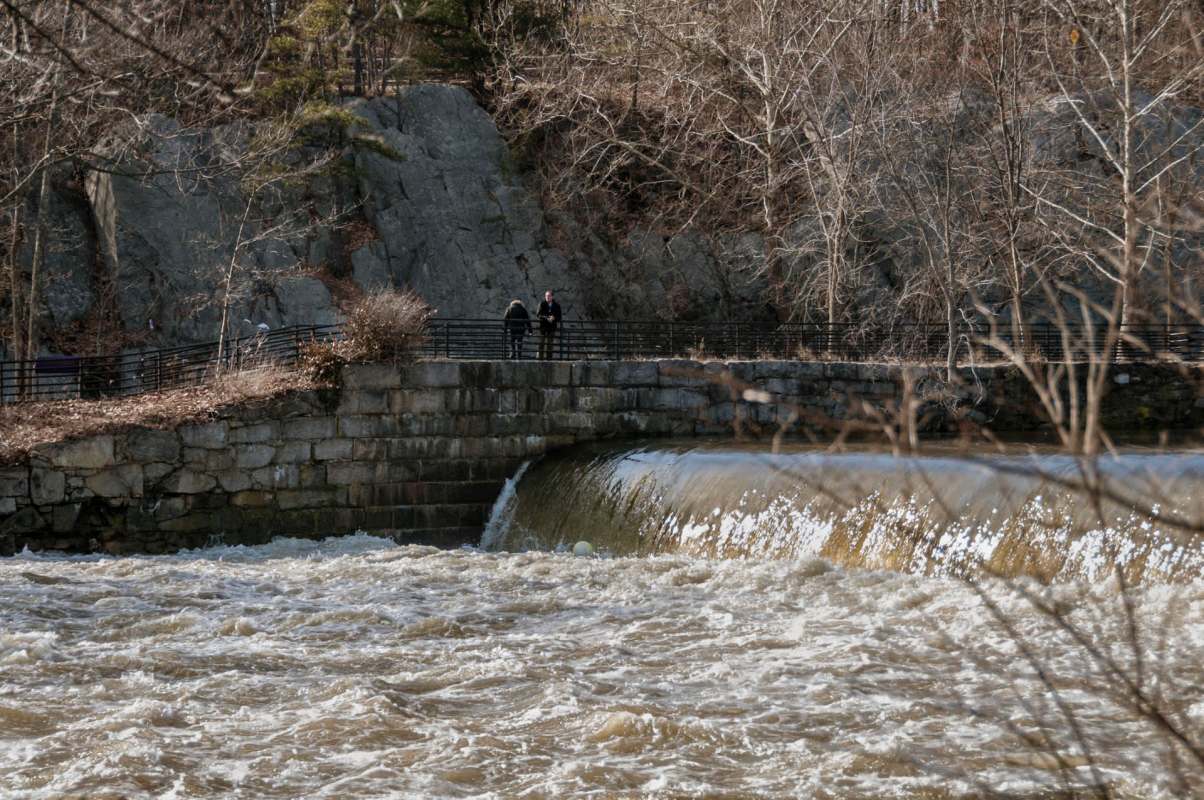
New research has uncovered troubling evidence beneath Rhode Island's Pawcatuck River — pollution that could continue seeping into the water for decades, even if no new contamination occurs.
What's happening?
Researchers examining the Pawcatuck River found that PFAS — the so-called "forever chemicals" — have settled into the sediments of two nearby ponds, one historic and one still in use. According to a study in ACS ES&T Water, these ponds act as slow-release sources, gradually releasing PFAS into the river and potentially affecting the water for decades.
Researchers examined pond water and sediment to see how PFAS behave once they settle into soil. While some compounds attach strongly at first, the tests showed they don't stay there permanently. Instead, PFAS can gradually move back into the water and continue cycling through the river.
In some cases, researchers estimated PFAS could continue releasing from sediment for decades and potentially for more than a century. Study lead Jarod Snook said the approach could serve as "an example for many other PFAS-contaminated sites around the world."
Why is this concerning?
PFAS are used in products like stain-resistant fabrics, firefighting foam, and nonstick coatings, and they are known for persisting in the environment and accumulating in the human body.
Researchers have linked long-term PFAS exposure to higher risks of health problems, including some cancers and immune or thyroid disorders. Kids are often the most at risk. Once PFAS enter a river, they can spread beyond the water itself, showing up in drinking supplies, fish, and nearby communities.
TCD Picks » Quince Spotlight
💡These best-sellers from Quince deliver affordable, sustainable luxury for all




The unsettling part is how persistent that contamination can be. Even after industrial activity ends, polluted sediment can continue leaking PFAS back into the river for years.
Similar problems have appeared elsewhere, including research showing how microplastics move through rivers and accumulate far beyond where they first enter the water.
What's being done about it?
Researchers say understanding how PFAS behave in sediment is key to smarter cleanup. Instead of focusing only on water treatment, efforts may also need to tackle contaminated soils through removal, containment, or long-term monitoring.
Some rivers are starting to bounce back. In Michigan, dam removals along the Kalamazoo River reduced PCB pollution in sediment and improved fish habitat.
States are starting to tighten limits on PFAS in drinking water. Federal agencies are testing more and monitoring contamination. People can check local water reports, run filters that remove PFAS, and keep an eye on nearby industrial sites to stay informed.
|
What's the most you'd pay per month to put solar panels on your roof if there was no down payment?
Click your choice to see results and speak your mind. |
 $200 or more 💰
Get TCD's free newsletters for easy tips to save more, waste less, and make smarter choices — and earn up to $5,000 toward clean upgrades in TCD's exclusive Rewards Club.







