


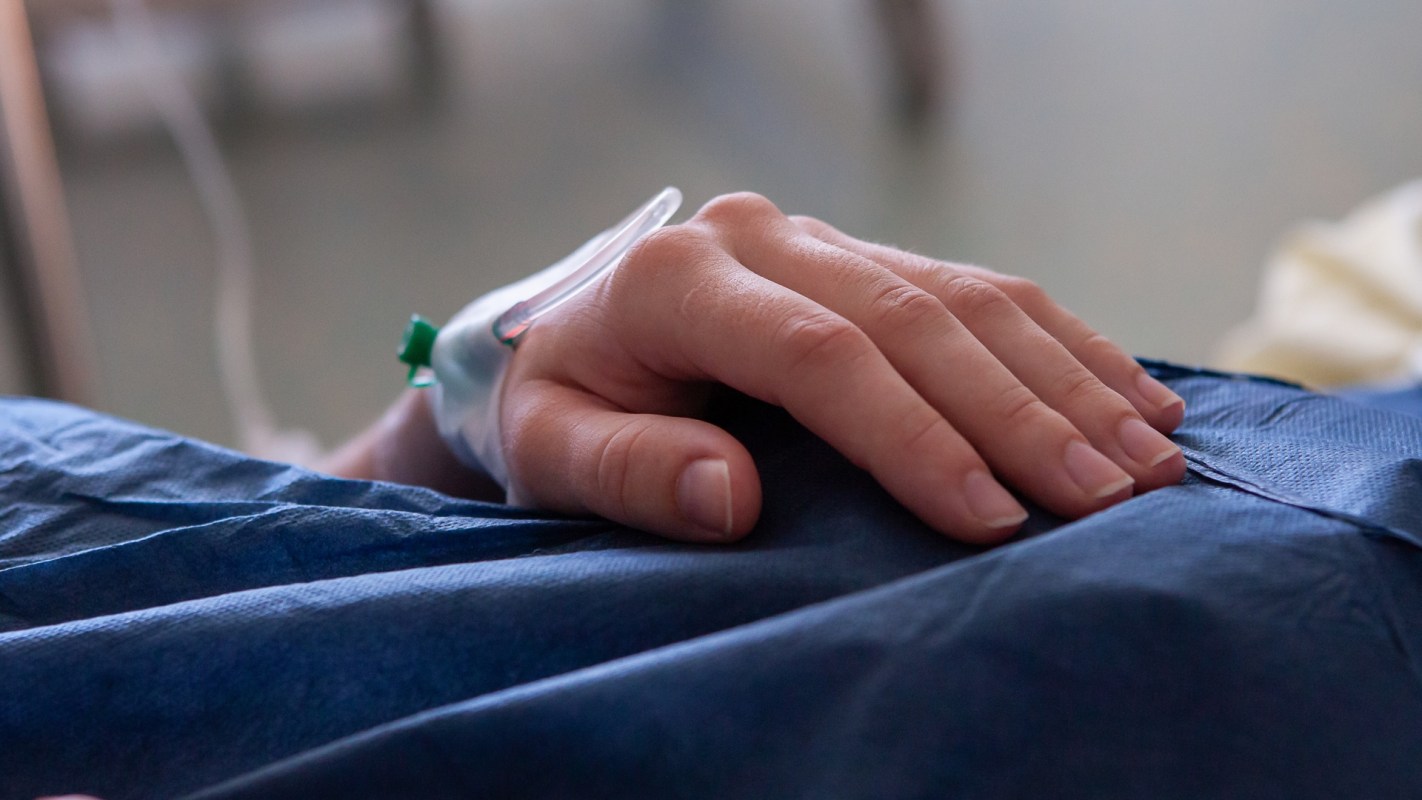
Officials in New South Wales warned residents to take precautions after identifying a probable case of Japanese encephalitis, a rare but serious mosquito-borne illness.
What's happening?
NSW Health announced the investigation of a case of a man in his 60s who was likely exposed to the virus in the Riverina region of New South Wales in December.
The department also reported that Japanese encephalitis had been detected in a flock of chickens that the state uses to glean early warnings about mosquito-borne viruses.
"There is no specific treatment for JE so it is very important for people who live in or travel to these areas to be aware of the elevated risk," said Alison Nikitas, director of public health for Murrumbidgee and Southern NSW LHD, per news.com.au.
Why is this concerning?
While most cases of Japanese encephalitis are mild, resulting in symptoms such as fever and headache, it can lead to more severe symptoms and ultimately death, according to the World Health Organization.
"Although symptomatic Japanese encephalitis is rare, the case-fatality rate among those with encephalitis can be as high as 30%," the WHO stated.
TCD Picks » Quince Spotlight
💡These best-sellers from Quince deliver affordable, sustainable luxury for all




Though traditionally confined to rural areas in Asia, scientists tied a 2022 outbreak in Australia to extreme flooding, record-breaking rainfall, and warming temperatures — all consequences of an overheating planet.
"Scientists believe climate change has potentially created a 'perfect storm,' allowing the virus to move further south and gain a foothold in the country," the World Mosquito Program said of the outbreak.
As the world becomes warmer and wetter, creating a perfect breeding and living environment for mosquitoes, scientists say we can expect other viruses to emerge in new areas.
For instance, scientists in Finland recently discovered a mosquito species that was previously unrecorded in the country.
TCD Picks » Quince Spotlight
💡These best-sellers from Quince deliver affordable, sustainable luxury for all
|
What's the most you'd pay per month to put solar panels on your roof if there was no down payment?
Click your choice to see results and speak your mind. |
 $200 or more 💰
 What's being done about mosquito-borne diseases?
The best thing anyone can do to protect themselves from mosquito-borne diseases is to avoid mosquito bites, or "fight the bite."
The Centers for Disease Control recommends wearing loose-fitting, long-sleeved shirts and pants when outside, along with using an insect repellent that's registered with the Environmental Protection Agency.
It also advocates for treating clothing with permethrin and controlling mosquitoes inside and outside — using a screen if you have an open window and removing standing water outdoors.
New South Wales residents living or working in high-risk areas are also eligible to receive a free Japanese encephalitis vaccine.
A number of vaccines are available for mosquito-borne viruses, including Japanese encephalitis, malaria, and Chikungunya. Availability varies depending on country of residence, but health officials may recommend these vaccines for travel to certain countries.

Get TCD's free newsletters for easy tips to save more, waste less, and make smarter choices — and earn up to $5,000 toward clean upgrades in TCD's exclusive Rewards Club.







