


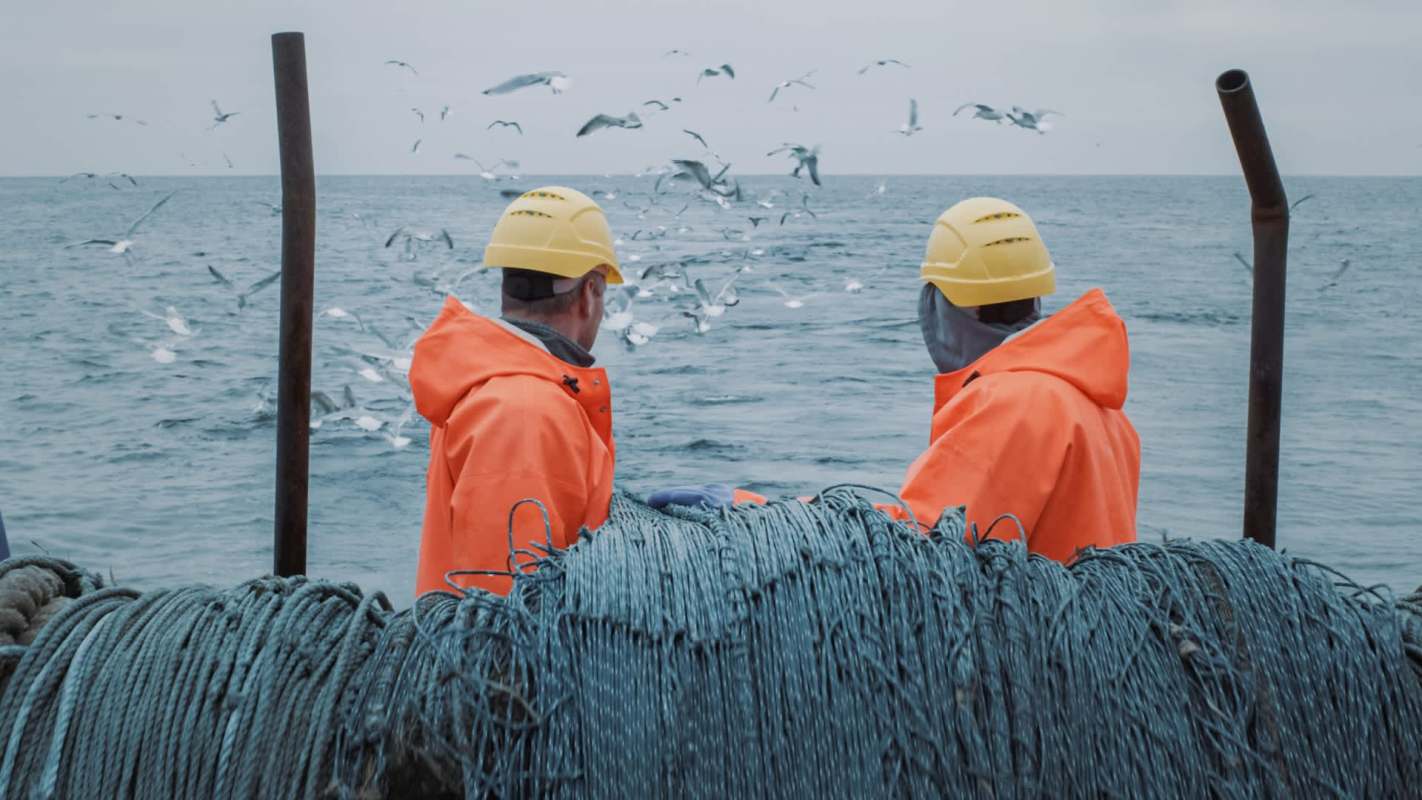
Mediterranean fishing officials have implemented a new ban on a controversial form of fishing called bottom trawling to protect fragile ecosystems and vulnerable species.
According to Seafood Source, the General Fisheries Commission of the Mediterranean established a new fisheries restricted area that bans bottom trawling in a stretch of the Otranto Channel between Italy and Albania for the foreseeable future.
This is the 11th FRA the GFCM has established since 2005, designed to ban dredge fishing in sensitive or unexplored areas of the Mediterranean Sea. FRAs help protect the habitats where fish breed, as well as soft corals and other life that thrive on the sea floor, while also preserving certain areas for future exploration.
Bottom trawling is a controversial fishing method that involves dragging heavy weighted nets along the seabed to catch shrimp, groundfish, and crustaceans.
According to the United States Geological Survey, this method has a profoundly negative impact on aquatic ecosystems, as it stirs up sediment, tears up root systems, destroys animal habitats, and even erases entire ecosystems.
As trawlers drag across the sea floor, they stir up the soft sediment, such as sand, mud, or silt, which can lead to it being deposited elsewhere in the ocean or lost over a continental shelf. It also disrupts the areas where non-bottom-dwellers lay eggs and reproduce, which can have dire consequences for those populations as well.
TCD Picks » Quince Spotlight
💡These best-sellers from Quince deliver affordable, sustainable luxury for all




Between FRAs and the more commonly seen Marine Protected Areas, the impact of preserving these spaces for wildlife can be profound. In England, an MPA helped the endangered northern bottlenose whale begin to recover from the brink, while a conservation project off the coast of California featuring 124 MPAs has started to show major signs of success.
Likewise, FRAs have seen success in the Mediterranean. A temporary FRA at the Jakuba/Pomo Pit saw a significant increase in lobster and European hake across the region.
"These positive changes are also reflected in the fishing industry, including small-scale fleets, which are observing increased catches in the surrounding area, not only in quantity but also in catching larger fish, resulting in increased profits," GFCM Senior Fishery Officer Elisabetta Betulla Morello said, per Seafood Source.
"Protecting a small fraction of the sea has the potential to trigger knock-on effects in the surrounding area when this measure is implemented in combination with others," Morello added. "It's a win-win situation: Commercial stocks and marine biodiversity recover, and fishers benefit from increasingly abundant and valuable catches."
|
What's the most you'd pay per month to put solar panels on your roof if there was no down payment?
Click your choice to see results and speak your mind. |
 $200 or more 💰
Get TCD's free newsletters for easy tips to save more, waste less, and make smarter choices — and earn up to $5,000 toward clean upgrades in TCD's exclusive Rewards Club.






