


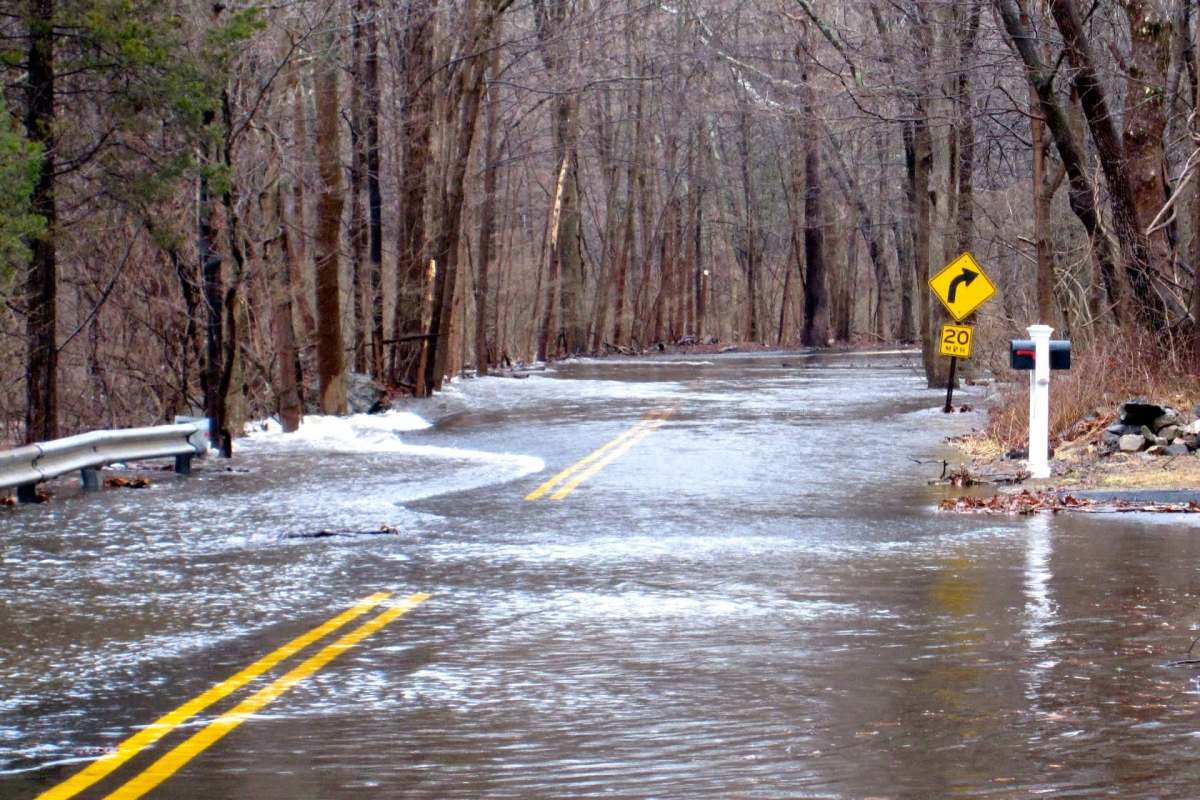
After extreme weather devastated a coastal community in Connecticut, residents have started to take extra precautions before more storms head their way.
What's happening?
Residents in Milford, Connecticut, have experienced increasingly intense weather that damaged their community over the last decade and a half, according to the Hartford Courant. Homeowners have been forced to evacuate, returning to find their homes wrecked.
Theresa Covaleski and Scott Digris, longtime Milford residents, said the high winds from Hurricane Irene ripped the porch off the front of their home. That storm was followed by Superstorm Sandy, which hit during their home repair and caused even more damage.
"We still have life jackets under the bed," Covaleski told the Hartford Courant.
While some residents are already prepared for the next big storm, experts continue to keep an eye on sea levels. Per the Hartford Courant, scientists estimated that Connecticut sea levels in 2050 will be 20 inches higher than 2001 levels.
Why is human impact on extreme weather important?
Human activities are the primary driver of air pollution connected to extreme weather, impacting our communities and economy. According to the U.S. Climate Resilience Toolkit, about 45% of the nation's gross domestic product was generated by coastal communities.
TCD Picks » Quince Spotlight
💡These best-sellers from Quince deliver affordable, sustainable luxury for all




The burning of fuels like gas, oil, and coal has contributed to shifting weather patterns, which include more frequent and intense storms, according to the Natural Resources Defense Council. Coastal communities, in particular, are at risk due to rising sea levels.
Nearly 30% of the United States population lives near the coast, according to the National Oceanic and Atmospheric Administration. Those communities remain in harm's way as the global average sea level set a new record just a few years ago.
With extreme weather also comes the threat of illness and injury. In the case of flooding, mold may form in buildings, which can lead to worsening health issues, according to the National Institute of Environmental Health Sciences.
What's being done about protecting coastal communities?
Per the Hartford Courant, a Hazardous Weather Action Plan was created for the city of Milford. The city was also designated "StormReady" by the National Weather Service. Connecticut set a goal to reduce greenhouse gas emissions by 2030, but the state is reportedly falling behind in its effort.
Lowering your environmental impact can help decrease the amount of pollution in the atmosphere, which can mitigate rising sea levels. Learning about climate issues can make it easy for you to discover more ways to support and protect communities at risk.
|
What's the most you'd pay per month to put solar panels on your roof if there was no down payment?
Click your choice to see results and speak your mind. |
 $200 or more 💰
Get TCD's free newsletters for easy tips to save more, waste less, and make smarter choices — and earn up to $5,000 toward clean upgrades in TCD's exclusive Rewards Club.







