


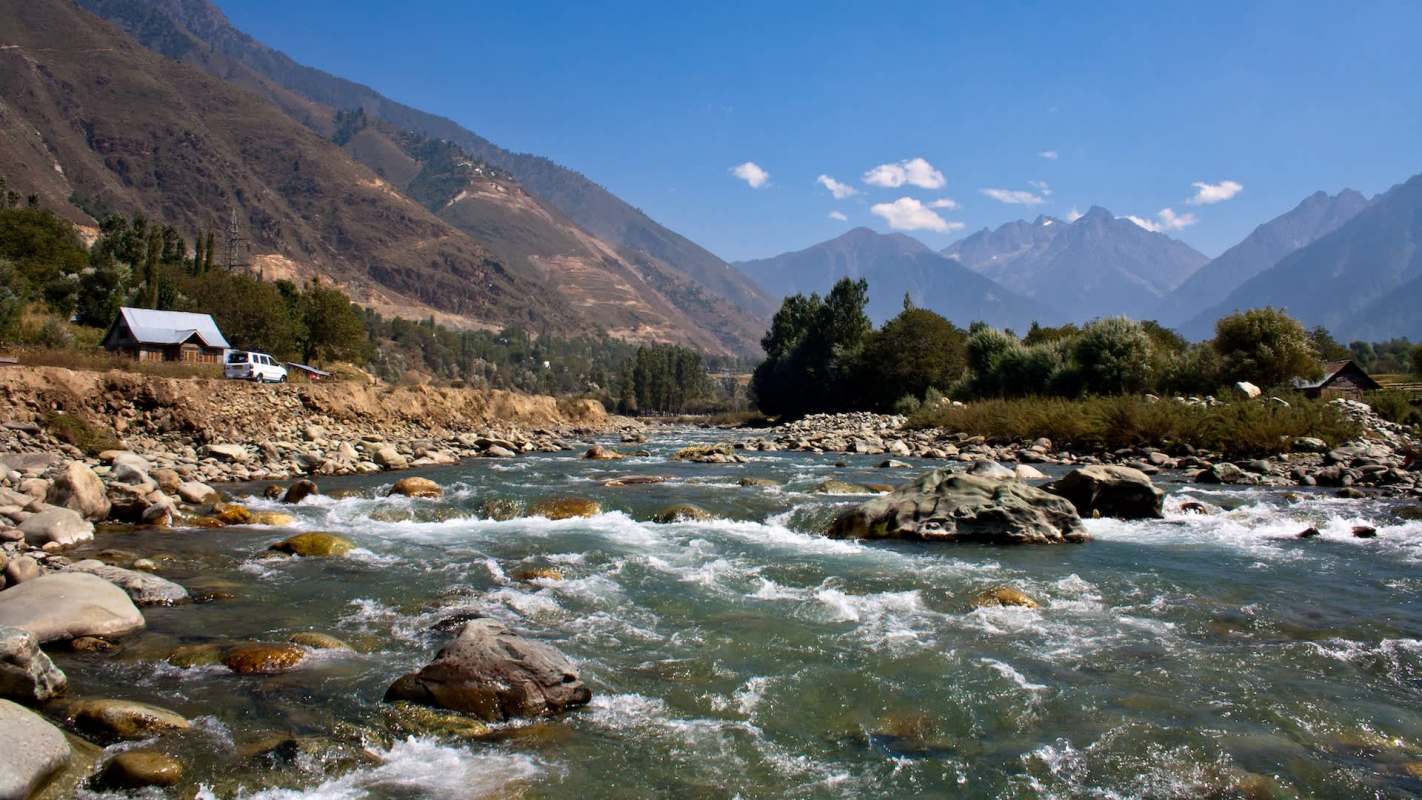
The United News of India reported that a range officer photographed a Eurasian otter — classified as "near threatened" around the world — in Sindh Nallah.
This rare sighting in the mountains of Kashmir gives conservationists a reason to pause and rejoice. Locals had long assumed this particular otter had disappeared. Some even thought that the animal was a crocodile.
The officer, Mir Faizan Anwar, noted to UNI: "I informed them that it was an otter, locally known as Vudar, and explained that its presence is a good sign."
That assumption is easy to understand. UNI reported that official sightings in this stretch of water have been few and far between for years. The Eurasian otter is nocturnal, hard to spot, and moves quietly, even in places where it still lives.
Professor Khursheed Ahmad of the Sher-e-Kashmir University of Agricultural Sciences and Technology noted that the Eurasian otter's population was thriving and well-established across major river systems in the area. However, habitat degradation made it hard for the otters to thrive.
Eurasian otters are dependent on clean water and healthy fish populations. Because of this, they are often treated as a kind of litmus test for river health. A sighting suggests a positive result for the restoration happening in the area.
TCD Picks » Quince Spotlight
💡These best-sellers from Quince deliver affordable, sustainable luxury for all




Documented sightings like this bear value. Photographs provide verifiable evidence that researchers can use to confirm where species are still surviving — much like the photo of an elusive fisher in Pennsylvania or the recent picture of a New Britain goshawk, which hasn't been seen in half a century.
Camera evidence has even reshaped scientific understanding of where critically rare species like the night parrot persist.
This kind of documentation helps guide decisions about habitat protection and restoration, shaping how resources are directed — outcomes that can directly affect the ecosystems that wildlife and humans depend on.
Protecting waterways and rewilding natural habitats give species like the Eurasian otter a chance to return to places that can support them long-term. Continuous discussions about the environment and public attention to conservation also help sustain institutional support for restoration efforts that reduce habitat loss and ecological decline.
With evidence that Eurasian otters are back, ensuring their habitats remain protected and clean becomes a top priority. "The reappearance is welcome, but we need systematic studies to assess population trends and frequency sightings," said Ahmad, per UNI.
|
What's the most you'd pay per month to put solar panels on your roof if there was no down payment?
Click your choice to see results and speak your mind. |
 $200 or more 💰
Get TCD's free newsletters for easy tips to save more, waste less, and make smarter choices — and earn up to $5,000 toward clean upgrades in TCD's exclusive Rewards Club.







