


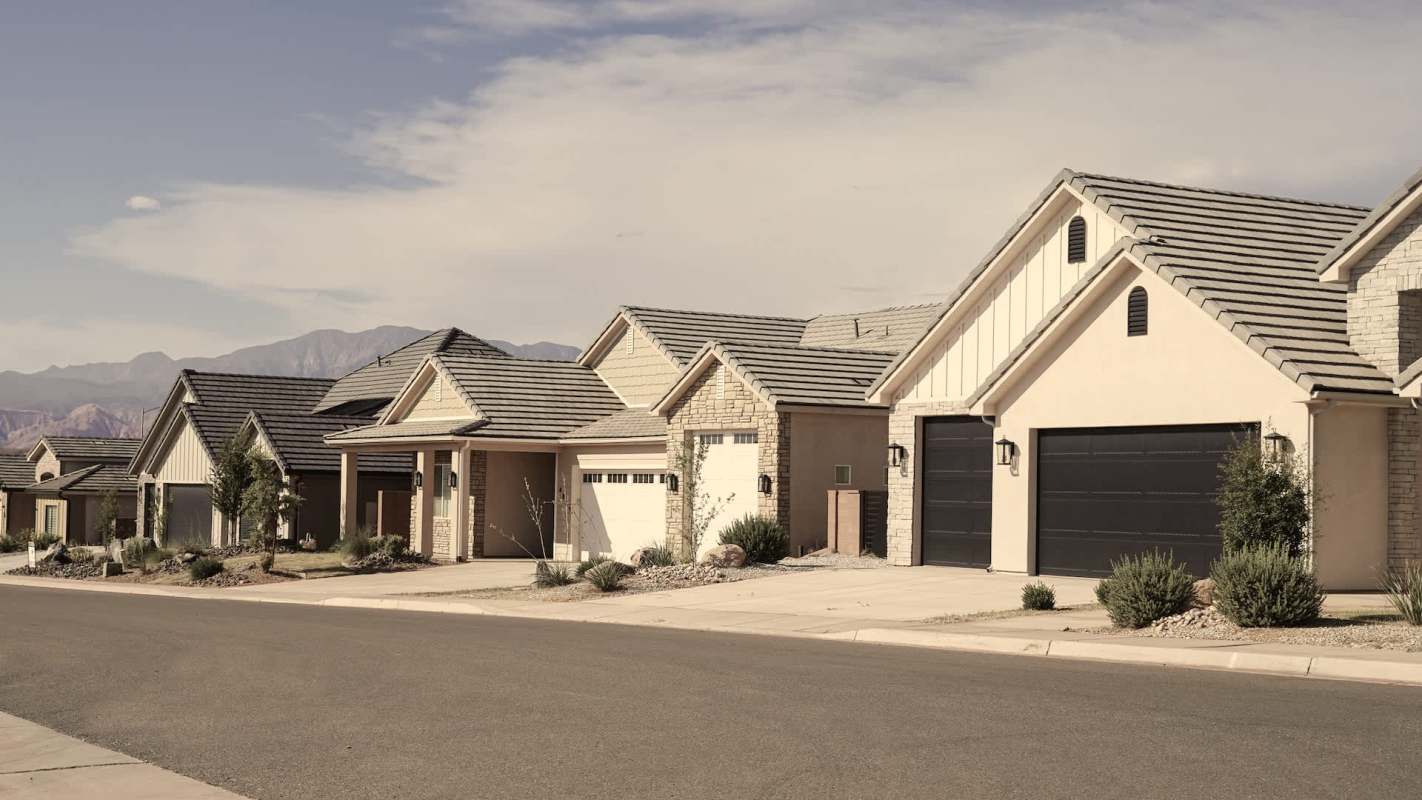
For many homeowners, dealing with an HOA can be wildly frustrating. But for one resident, what should have been a simple maintenance issue turned into an 18-month standoff over a growing "swamp" in their front yard. As safety and environmental concerns mounted, the situation became a clear example of how costly HOA inaction can be.
On an anti-HOA subreddit, the homeowner shared how it took a year and a half for their HOA to address a growing collection of standing water in their yard caused by a leaky pipe.
The issue emerged shortly after the homeowner moved into their new home. As the "swamp" grew, the homeowner called the city to see if it was related to a nearby water meter. The city said the issue was likely caused by a residential leaking pipe, advising the homeowner to contact the HOA to repair the issue.
That's where the trouble began. The HOA told the homeowner the buildup was a "natural spring" and that they should be "grateful" to have it on their property.
"Never mind that I couldn't walk in my front yard or that it was a breeding ground for mosquitoes or that it was so wet in that area the asphalt was cracking in the parking lot," the homeowner wrote.
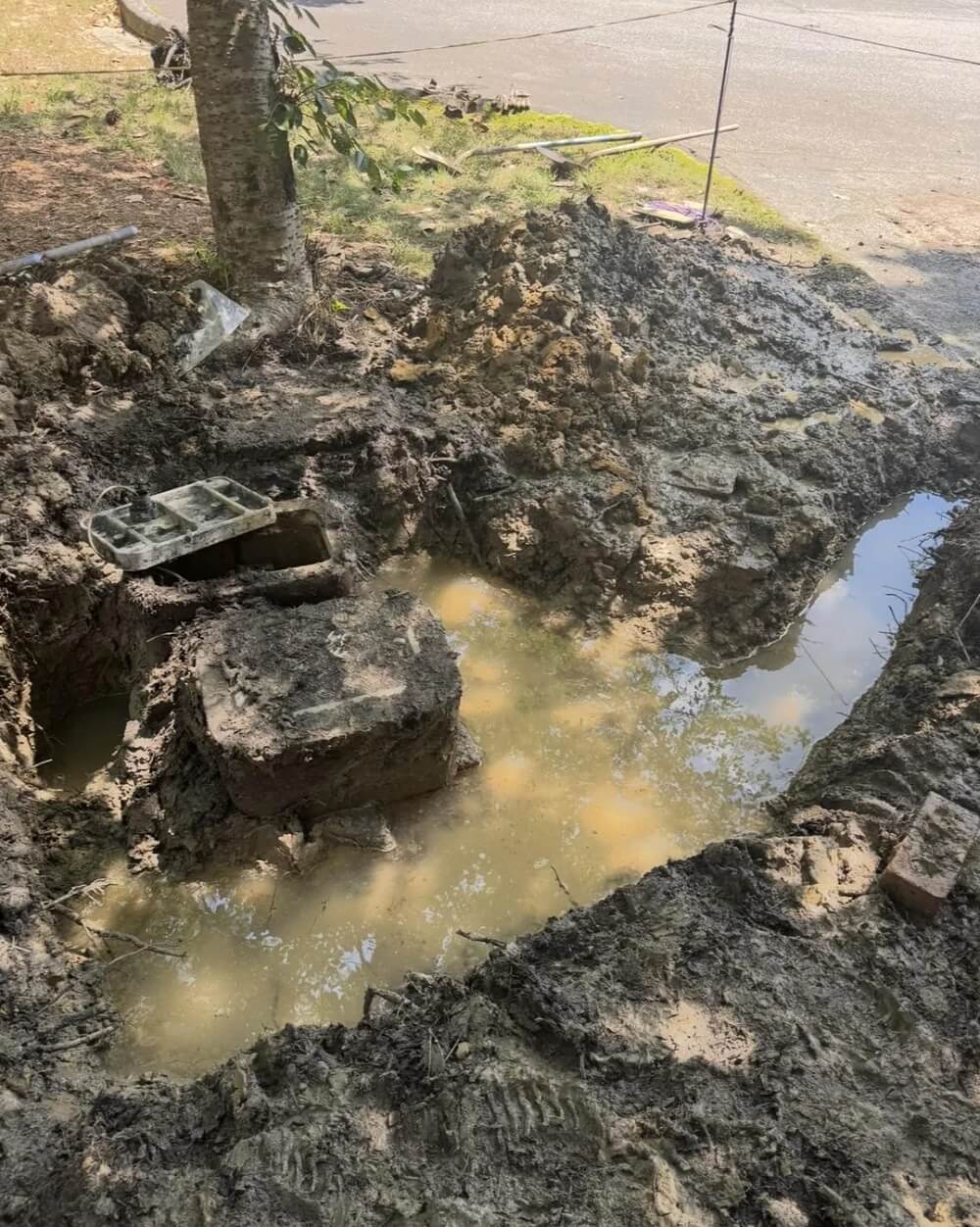
To prove the issue was related to maintenance, the homeowner paid for an engineer to confirm the water leak. They even paid to get a quote from a plumbing company for a repair. Still, the HOA insisted it was a natural feature.
TCD Picks » Quince Spotlight
💡These best-sellers from Quince deliver affordable, sustainable luxury for all




But finally, after a full 18 months of fighting, the HOA was forced to fix the issue. And it was indeed a leaking pipe.
"It took reporting them to the city and state for creating an unsafe living environment, and the incompetent management company getting a … ton of fines … but they fixed it," the homeowner wrote. "It was in fact a leak in a pipe, and it was a very quick and very easy fix that should have been done the day after it was reported."
Commenters were quick to express outrage on the homeowner's behalf, with many calling out the HOA's inaction and urging the homeowner to take further steps to hold them accountable.
"Now sue to be reimbursed for the money you spent to get them to understand there was an issue," one commenter wrote.
|
What's the most you'd pay per month to put solar panels on your roof if there was no down payment?
Click your choice to see results and speak your mind. |
 $200 or more 💰
 "And water bill," another commenter added.
HOAs across the U.S. have increasingly come under fire for failing to properly maintain essential utilities and shared infrastructure. In some cases, associations have neglected responsibilities such as maintaining water lines, drainage systems, or electrical components, leaving residents to deal with flooding, mold, or otherwise unsafe living conditions. This neglect can drive up homeowners' utility bills, destroy yards, and cause long-term property damage that's costly to repair.
When basic issues like standing water or faulty utilities go unaddressed, they can also pose serious health and safety risks — from mosquito-borne illnesses to structural hazards to electrical dangers. Stagnant water is a known environmental and public health concern, potentially hosting harmful bacteria, viruses, and parasites, per the Food and Agriculture Organization.
At the same time, many HOAs have faced backlash for getting in the way of simple, money-saving upgrades homeowners want to make. Across the country, residents say they've been blocked from installing rooftop solar panels — even in states that actively promote renewable energy. Others have been prevented from converting traditional lawns into native plant lawns, even though native lawns use less water and support local pollinators.
These kinds of restrictions make it harder for homeowners to lower energy bills, conserve resources, or invest in improvements that strengthen their homes over time. When you combine those barriers with neglected maintenance issues, unruly HOAs can seriously damage quality of life, leaving people paying more, dealing with ongoing problems, and feeling stuck in communities they're still required to fund.
But it isn't all hopeless, as this homeowner proves. Working with an HOA just may take a good dose of persistence, perseverance, and persuasion. If you need to work with your HOA to change established rules, especially regarding eco-friendly home updates, check out TCD's guide to changing HOA bylaws.

Get TCD's free newsletters for easy tips to save more, waste less, and make smarter choices — and earn up to $5,000 toward clean upgrades in TCD's exclusive Rewards Club.






