


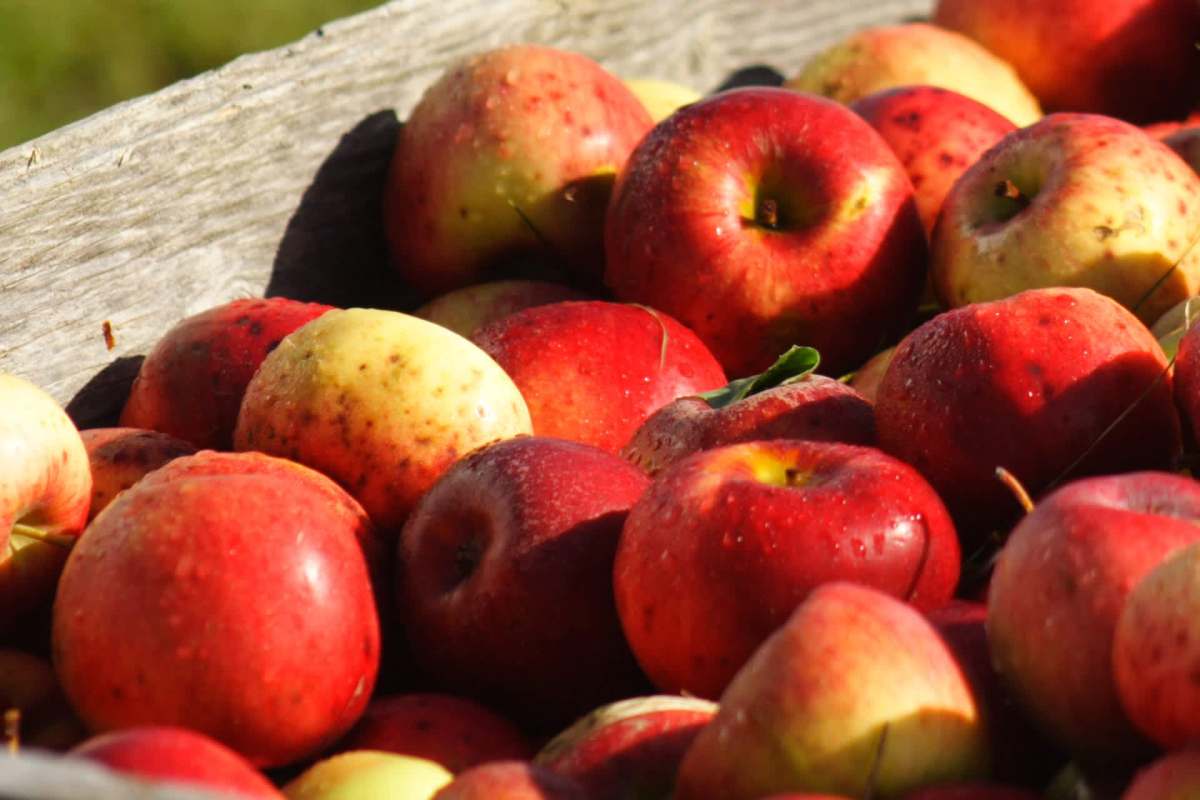
Toxic pesticides are alarmingly prevalent on apples, posing health risks to people who eat fresh fruit worldwide.
A recent analysis in Europe revealed that 85% of apples tested contained multiple pesticide residues.
What's happening?
As the Guardian reported, Pesticide Action Network Europe, a leading independent expert on pesticides, tested 59 apple samples across 13 European countries for pesticides. It published a report highlighting the presence of dangerous neurotoxins and PFAS, also known as forever chemicals, in most European apples.
It found that nearly all conventional apple samples contained pesticides, and some samples had up to seven chemicals.
The researchers discovered the pesticide Fludioxonil, a proven endocrine disruptor, in nearly 40% of apple samples. PFAS were present in 64% of the samples tested.
If these same apples were made into baby food, they would already be banned by the European Union, as its rules are stricter regarding infant nutrition.
TCD Picks » Quince Spotlight
💡These best-sellers from Quince deliver affordable, sustainable luxury for all




"In this report, we show that 85% of the apples have multiple residues, and we don't know if they are safe for consumption or not," said Martin Dermine from PAN Europe, per the Guardian.
Why are pesticides on food a problem?
As PAN Europe noted, Fludioxonil is toxic to humans and known to cause liver and kidney damage. It also poses risks to fish and amphibians in marine environments.
Meanwhile, PFAS are a serious food contamination risk and linked to many health concerns, including cancer, compromised immune systems, developmental delays, and reproductive issues.
Apples are popular, delicious, affordable, and healthy natural foods. However, the chemicals they're covered in from conventional agricultural practices negate those benefits and may make them among the most toxic foods.
|
What's the most you'd pay per month to put solar panels on your roof if there was no down payment?
Click your choice to see results and speak your mind. |
 $200 or more 💰
 What's being done to keep pesticides out of our food?
In Europe and elsewhere, the safest way to eat apples is to buy organic ones or at least peel the pesticide-covered skin off conventionally grown apples.
Beyond just fruit, you can limit your exposure to pesticides by controlling pests naturally in your garden without chemicals. You can limit your PFAS exposure by using less plastic in everyday life.
In addition to these individual precautionary measures, stricter government oversight is needed to keep our food supply safe and free of toxic chemicals. Reports like this one help raise public awareness about food safety and inspire advocacy.
Fortunately, organizations like PAN Europe are fighting for stricter rules governing pesticide use to protect public health and the environment.

Get TCD's free newsletters for easy tips to save more, waste less, and make smarter choices — and earn up to $5,000 toward clean upgrades in TCD's exclusive Rewards Club.







