


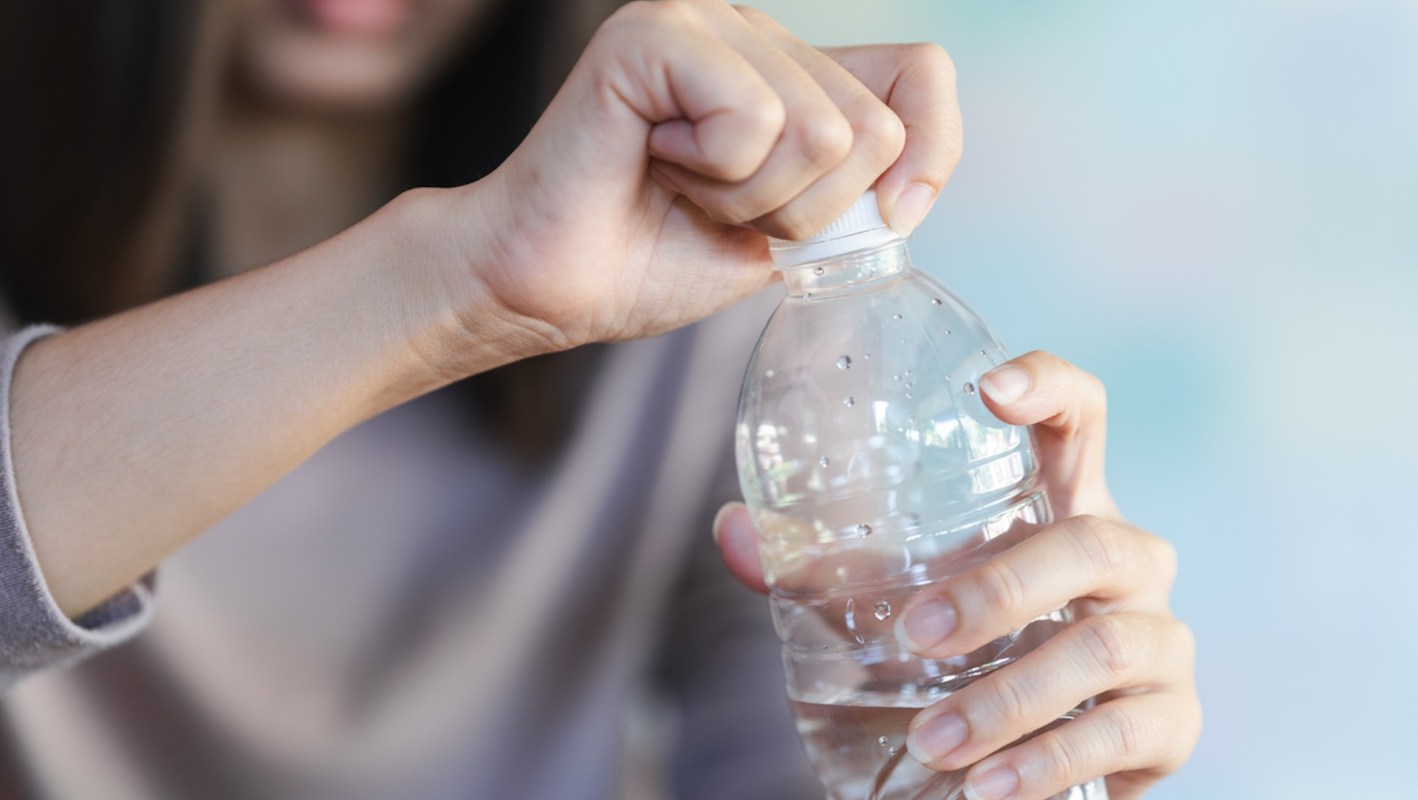
Every sip of bottled water you take is doing more than just hydrating you. Scientists report that bottled water exposes people to alarmingly more plastic than previously understood, according to a peer-reviewed study.
What's happening?
The study, published in Science of the Total Environment, found that bottled water contains significantly higher concentrations of microplastics and nanoplastics than conventionally treated tap water.
The study analyzed samples from four municipal water treatment plants and six bottled water brands using scanning electron microscopy and optical photothermal infrared spectroscopy, a method capable of identifying particles smaller than 1 micrometer.
According to the authors, more than 50% of all plastic particles detected in both bottled and treated drinking water were nanoplastics, which are smaller than 1 micrometer and largely excluded from past studies.
The researchers reported that bottled water contained higher overall particle counts, particularly for the smallest plastic fragments, even though the total plastic mass was similar between bottled and tap water.
"The concentrations we saw were higher than anticipated, which, unlike prior studies, we were able to attribute to the inclusion of the nanoplastics," said John Lenhart, senior co-author of the study, in an Ohio State article in Phys.org. "That emphasis validates a lot of the information we've learned."
TCD Picks » Quince Spotlight
💡These best-sellers from Quince deliver affordable, sustainable luxury for all




Why is this finding important?
Scientists are increasingly focused on nanoplastics because of how they interact with the human body. According to the research, particles smaller than 10 micrometers can pass through the body easily and get through the blood-brain barrier, while nanoplastics may cross cellular barriers and potentially reach organs and tissues.
Earlier bottled water studies were essentially "guessing" because existing tools could not reliably detect particles at the nanoscale. According to researcher Beizhan Yan, excluding nanoplastics likely led to widespread underestimation of plastic exposure from drinking water.
What can be done about microplastic contamination?
Improved detection methods are a critical step toward understanding the exposure and its long-term implications. According to the study's authors, optical photothermal infrared spectroscopy allows researchers to identify plastic polymers that are smaller than what previous techniques have been able to measure.
In the meantime, experts like Yan are encouraging people to consider alternatives to bottled water, such as filtered tap water or reusable water bottles. There are practical ways to reduce reliance on plastic, including single-use plastics, for those interested in reducing their exposure and supporting industries that value human and planetary health.
|
What's the most you'd pay per month to put solar panels on your roof if there was no down payment?
Click your choice to see results and speak your mind. |
 $200 or more 💰
Get TCD's free newsletters for easy tips to save more, waste less, and make smarter choices — and earn up to $5,000 toward clean upgrades in TCD's exclusive Rewards Club.






