


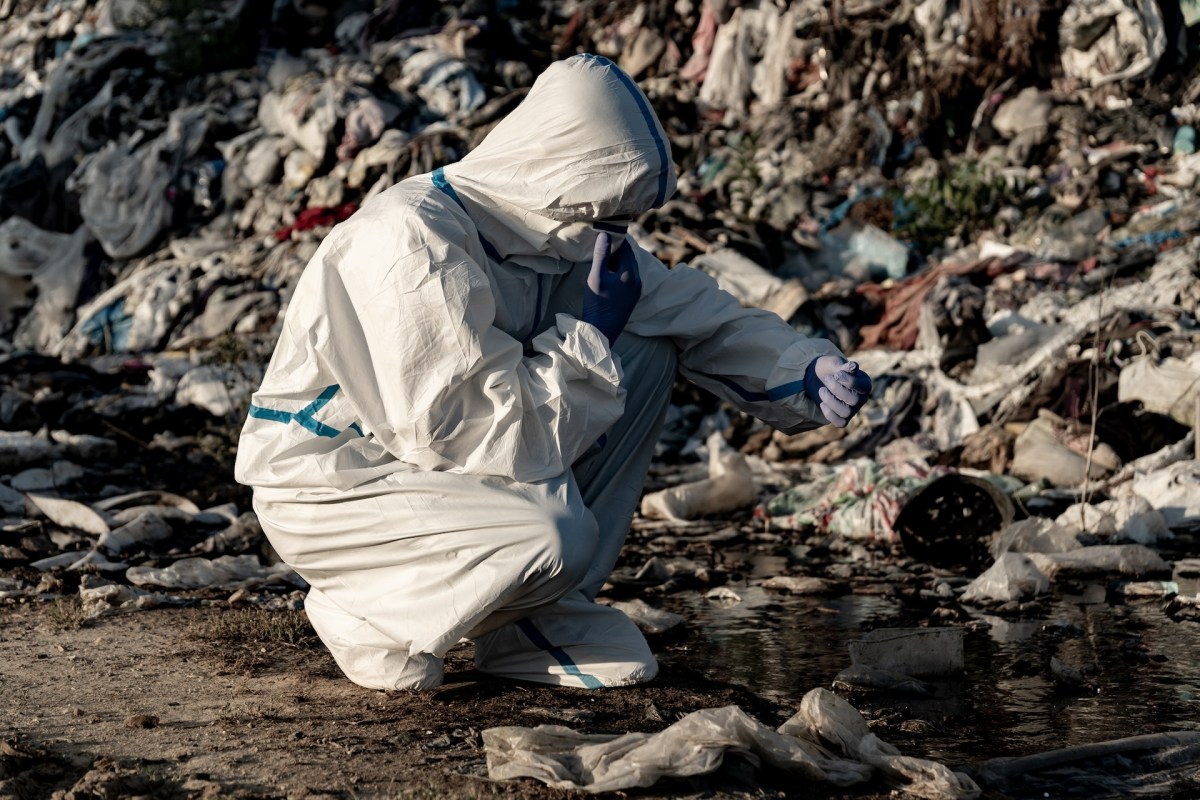
Landfills need strong protective barriers to keep waste pollution from seeping out into the environment, especially for microscopic plastic particles.
A new study from researchers at the University of British Columbia details the possibility of an advanced microplastic filtration system for waste in landfills. The team developed a two-layer membrane that can prevent landfill plastic from leaking into local waterways.
When rainwater passes through waste at a landfill, the water is contaminated by pollutants as well as micro- and nanoplastics. Landfills are designed to contain this runoff water, but not all are equipped to handle the amount of plastic that leaches into the liquid.
"Landfills are silent threats to our environment, acting as major reservoirs for emerging pollutants," said Sumi Siddiqua, a professor at the University of British Columbia, per a news release. "Conventional drainage systems fail against microscopic contaminants, including nanoplastics and hazardous chemicals. This allows them to infiltrate groundwater."
The new membrane system uses chemical attraction and filtration to catch the plastic and bind the particles together so they can be removed. The researchers made it from a durable material that can withstand harsh weather conditions over time.
In their testing, the system removed more than 98% of nanoplastics.
TCD Picks » Quince Spotlight
💡These best-sellers from Quince deliver affordable, sustainable luxury for all




"The two complementary layers work together to block tiny plastic particles under harsh landfill conditions," said Mahmoud Babalar, a co-author of the paper, per the release. "This combination of layers allows the membrane to filter plastics while liquid can still flow, which is a critical requirement for landfill safety."
If this system is installed at landfills, it will serve as a strong defensive tool against environmental pollution. Keeping plastic out of groundwater keeps it out of the ecosystems surrounding landfills and out of the bodies of humans and wildlife.
The ultimate goal should always be to use less plastic, but developments such as this one are important for the future of next-generation pollution control technology.
"This innovative approach is essential for preventing the migration of pollutants into groundwater, and it represents a significant advancement in waste management and climate-resilient infrastructure," Siddiqua said.
|
What's the most you'd pay per month to put solar panels on your roof if there was no down payment?
Click your choice to see results and speak your mind. |
 $200 or more 💰
Get TCD's free newsletters for easy tips to save more, waste less, and make smarter choices — and earn up to $5,000 toward clean upgrades in TCD's exclusive Rewards Club.






