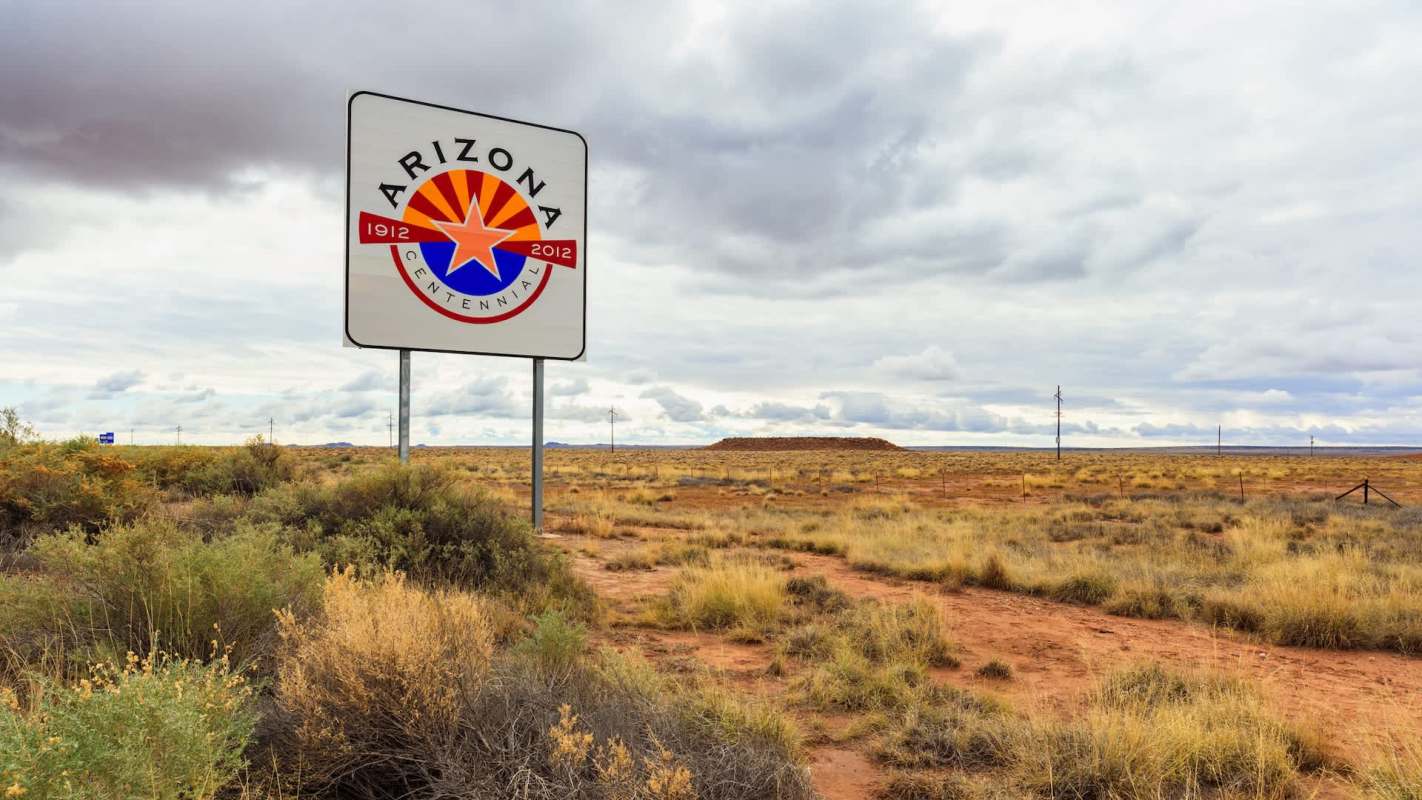
A crisis is brewing in rural Arizona communities, and without action, they may be at a point of no return. According to a recent study by Arizona State University, covered by ABC News, groundwater in the Colorado River Basin has been depleting rapidly over the past decade.
"Much of that groundwater is irreplaceable," lead researcher and Arizona State University Professor Jay Famiglietti said.
What's happening?
As groundwater levels decline, only the richest farms will be able to pump water from deeper wells.
Wenden, in La Paz County, is already feeling the effects with wells drying up. According to ABC, "residents are already paying up to $130,000 for new ones."
The ground is also sinking in the city. "Over the last 15 years, we have dropped over 3.2 feet, and then at an average of like 2.2 inches per year," Devona Saiter, whose family has called Wenden home since the 1960s, told Governor Katie Hobbs.
She owns a shop, and it's sunk several inches in different locations.
TCD Picks » EDF Spotlight
💡EDF's Vital Signs newsletter delivers stories about game-changing solutions close to home and around the world



"There's gaps, there's cracks," Saiter added.
The ground is sinking because a lot of groundwater has been pumped out, similar to what happens when a tire deflates.
Why is groundwater depletion concerning?
The ground sinking, called subsidence, isn't just happening in Southeastern Arizona; California is also feeling its effects. It's dangerous to communities because roads, pipes, and homes can be damaged.
Another ASU study, conducted over more than 20 years, showed that the world's groundwater is quickly vanishing due to droughts, extreme heat, and overuse.
TCD Picks » Quince Spotlight
💡These best-sellers from Quince deliver affordable, sustainable luxury for all




|
What's the most you'd pay per month to put solar panels on your roof if there was no down payment?
Click your choice to see results and speak your mind. |
 $200 or more 💰
 As water is pumped out for agricultural use, the runoff ends up in rivers, lakes, and oceans, never making it back to the wells.
The shrinking groundwater also poses a risk to food production. Famiglietti warned that the lack of groundwater has put the state in a bind, and it must reassess which crops it can comfortably sustain.
"The water is not there to support it," he said.
What's being done about groundwater depletion?
Famiglietti said the state will have to make some tough choices as it rethinks its agricultural practices.
According to the Stockholm International Water Institute, governments can take several steps to protect groundwater, such as "strengthen groundwater governance" and "establish effective groundwater monitoring." The institute said that groundwater depletion is associated with poor governance and that strengthening governance and acquiring knowledge of groundwater science can help.
Additionally, groundwater monitoring can be improved to better understand how much water remains and how much is being used.

Get TCD's free newsletters for easy tips to save more, waste less, and make smarter choices — and earn up to $5,000 toward clean upgrades in TCD's exclusive Rewards Club.
Cool Picks