


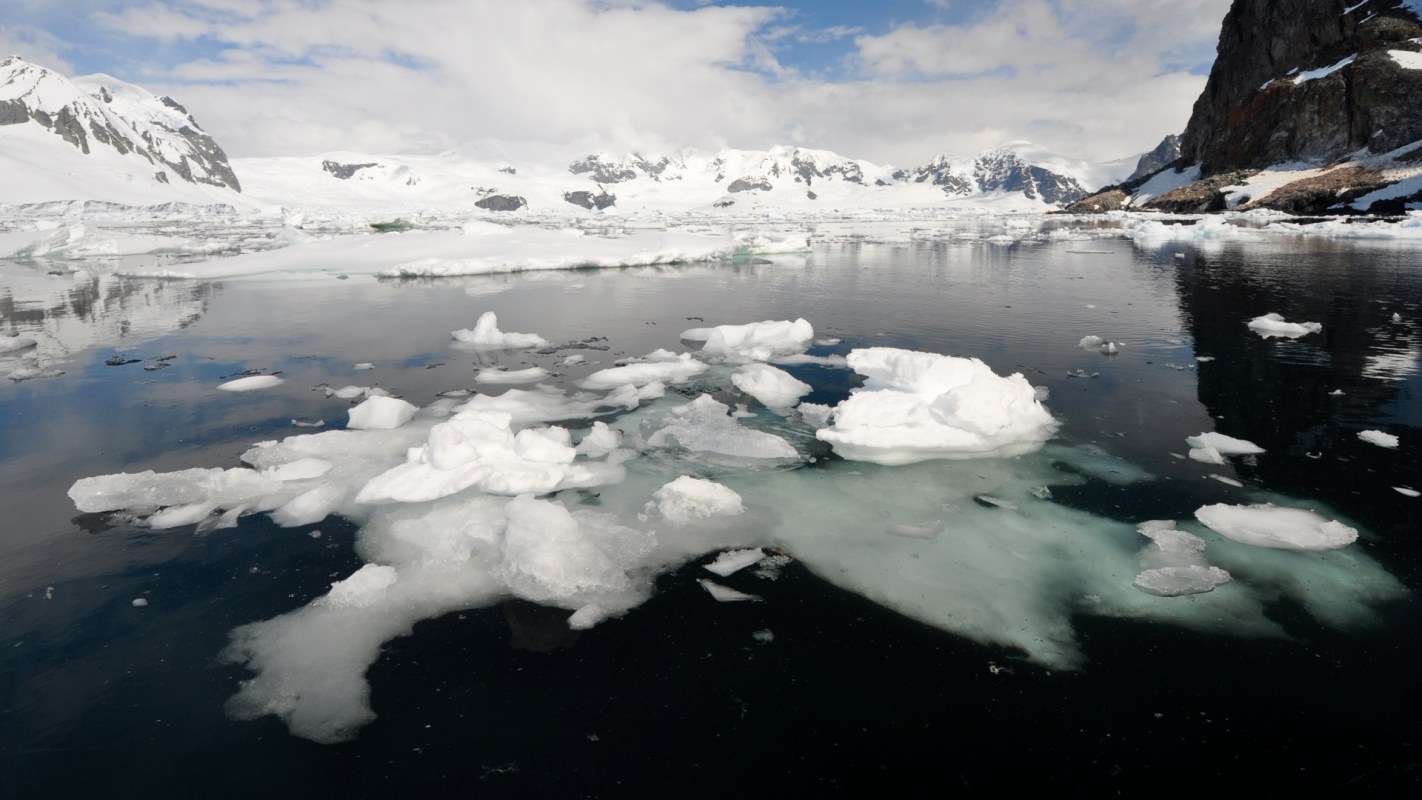
As global temperatures continue to rise, researchers have expressed concern about melting ice sheets in Antarctica and how the phenomenon could impact the planet's coastlines.
What's happening?
There is enough ice in Antarctica's most vulnerable regions to increase sea levels by nearly 50 feet and threaten coastal communities if they melt, per The Guardian.
Scientists have been trying to collect data from the water under the ice shelves, but learning more about what's below is challenging.
"The coldest water anywhere in the ocean is beneath the Antarctic ice shelves," Dr. Steve Rintoul, an oceanographer and Antarctic expert, told the publication. "There is no light. All our conventional tools to measure the ocean can't reach it."
There are more than 70 ice shelves covering about 580,000 square miles in Antarctica, according to The Guardian. Rintoul said his team of scientists tried using autonomous floating instruments to measure ocean temperatures and salinity underneath the Totten Ice Shelf.
However, the researchers discovered that the instrument did not remain in place. Instead, they said it gathered information from other ice shelves, including one that was being melted by warm water from below.
TCD Picks » Quince Spotlight
💡These best-sellers from Quince deliver affordable, sustainable luxury for all




That makes preparing for rising water levels difficult, and coastal communities could face the most serious consequences if protection measures haven't been put in place.
Why is ice melt concerning?
According to NASA, Antarctica is losing ice mass at an average rate of about 135 billion tons per year. In addition to rising sea levels, ice melt can disrupt ecosystems and potentially spread disease.
Less sea ice could impact marine wildlife and lead to economic loss, per the Natural Resources Defense Council. For instance, catches of Bering Sea snow crab were previously worth an estimated $227 million per year before the population collapsed due to a shifting climate.
Melting ice would also open up pathways and make new areas accessible to people and animals, according to Yale Climate Connections. Scientists found that new pathways may create a wider spread of disease and contaminants, putting both humans and wildlife at risk.
|
What's the most you'd pay per month to put solar panels on your roof if there was no down payment?
Click your choice to see results and speak your mind. |
 $200 or more 💰
 That's not to mention the potential for property destruction in coastal areas, which could lead to serious financial damages, displacement, and even a threat to life.
What's being done about ice melt?
Some of the impacts of Antarctic ice melt could take years, but researchers told The Guardian it's best to get a full understanding of the effects sooner rather than later.
"It depends how much greenhouse gas we emit," Rintoul said. "There's a reason the international community came up with temperature targets — they came in large part because of the risk of destabilizing the Antarctic ice sheet."
Learning more about critical climate issues can help mitigate the rising global temperatures contributing to ice melt. Reducing your carbon footprint by investing in energy-efficient appliances or switching to planet-friendly transportation are great ways to start.

Get TCD's free newsletters for easy tips to save more, waste less, and make smarter choices — and earn up to $5,000 toward clean upgrades in TCD's exclusive Rewards Club.







