


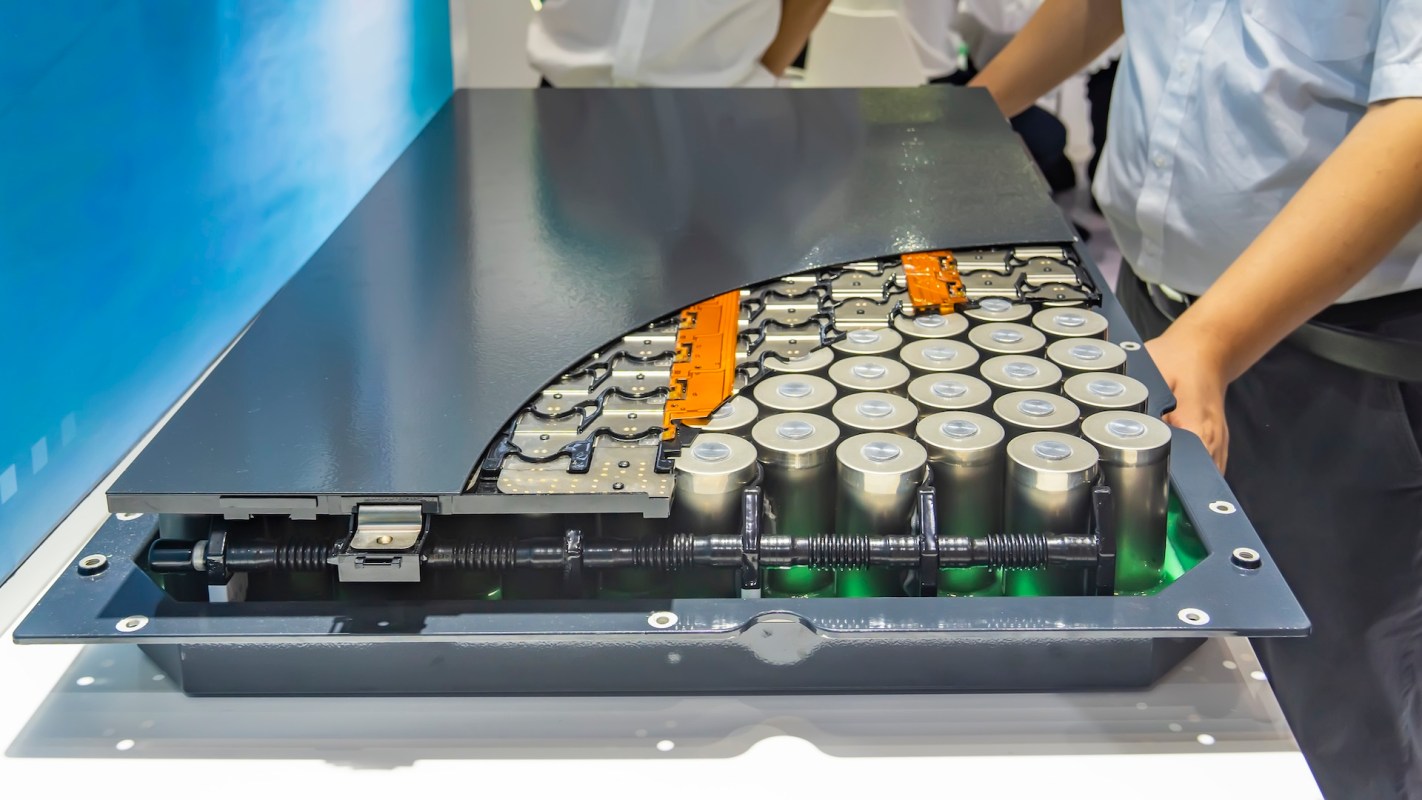
If you've ever noticed that your smartphone's battery capacity seems to dwindle over time, you're certainly not alone.
Lithium-ion cells — the batteries that power laptops, cell phones, electric vehicles, and more — have long displayed a tendency to degrade with age, and a new collaborative effort by the University of Chicago and the Argonne National Laboratory may have figured out why.
In recent years, the lithium-ion battery industry has transitioned from polycrystal-based cathodes (PC-NMC) to single-crystal layered oxides (SC-NMC) for a variety of performance-based reasons.
However, this latest research suggests that the indicators of degradation differ between PC-NMC and SC-NMC, which means that scientists — who have still been operating on the parameters they used to observe with PC-NMC materials — have unknowingly been hindering their own progress.
Published in the Nature Nanotechnology journal, this study established a connection between cobalt and the longevity of lithium-ion cells. Namely, although the disadvantageous properties of cobalt in PC-NMC have warned today's scientists and engineers away from the material, it turns out that cobalt is actually essential to increasing the lifespan of SC-NMC, according to Interesting Engineering.
"This work establishes a direct link between material composition and degradation pathways, providing deeper insight into the origins of performance decay in these materials," Argonne Lab scientist Tongchao Liu told the UChicago press.
TCD Picks » Quince Spotlight
💡These best-sellers from Quince deliver affordable, sustainable luxury for all




Project supervisor and UChicago professor Shirley Meng added, "Not only are new design strategies needed, but different materials will also be required to help single-crystal cathode batteries reach their full potential."
With applications all across the board, from the smartwatch around your wrist to the massive solar farms that lay the foundations for grid-based clean power, lithium-ion batteries are an invisible cornerstone of today's electrical architecture. Refining the tech not only enhances our quality of life but also facilitates the broader transition toward a more electrified future.
For instance, fitting upcoming electric vehicles with improved lithium-ion cells may make EVs more appealing to drivers who have yet to make the switch. EVs are already brimming with benefits, both for our pollution-burdened atmosphere and for drivers who want to save money on their daily commute.
Some homeowners even go for rooftop solar panels to make the most of their EV upgrade, reducing their vehicle charging costs along with the demand their households place on the grid. You can get started on a budget-friendly solar panel installation with The Cool Down's Solar Explorer tool.
|
Do you worry about the longevity of EV batteries? Click your choice to see results and speak your mind. |
 For sure 💯
 Still, for those who need an extra push or are concerned about EV longevity, scientists are constantly studying and perfecting lithium-ion technology to make going electric that much sweeter.
"By better understanding how different types of cathode materials degrade, we can help design a suite of high-functioning cathode materials for the world's energy needs," Meng explained.

Get TCD's free newsletters for easy tips to save more, waste less, and make smarter choices — and earn up to $5,000 toward clean upgrades in TCD's exclusive Rewards Club.






