


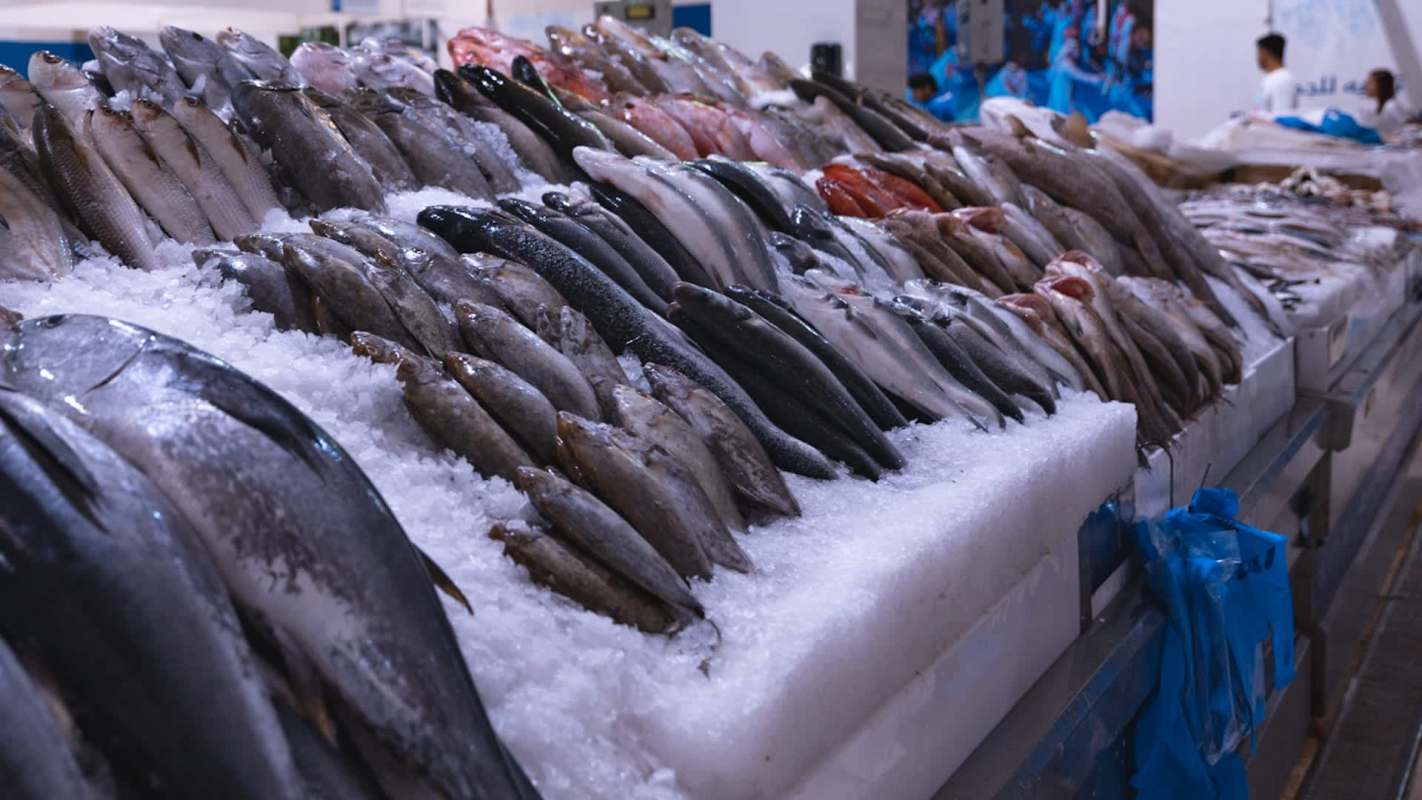
People in North America, Europe, and Oceania are at higher risk of exposure to "forever chemicals" because of the global fish trade, according to a study.
What's happening?
The paper, published in Science, revealed that folks who consume marine fish should be aware that the food is a significant source of perfluorooctanoic acid and perfluorooctane sulfonate, two types of per- and polyfluoroalkyl substances. The role that Europe plays in the fish trade increases people's exposure in other nations.
Salmon, scorpion fish, and smelts were high in these "likely carcinogens," while perch were lower, The Washington Post reported. Cod-like and herring-like fish were the main sources of exposure because of high consumption rates. In the United States, fish from the East Coast are cleaner than those from the West Coast.
The researchers studied 212 species, trade pathways, and exposure risk in 44 countries from 2010 to 2021.
They pointed out that they may have underestimated PFAS exposure from fish consumption because of their focus on fish caught in exclusive economic zones.
Why is this important?
"Our results revealed a trend, with PFAS exposure through marine fish consumption shifting from high-residue regions to low-residue regions along global fish trade pathways, highlighting that the global food trade has the potential to reshape the landscape of PFAS exposure," the scientists stated.
TCD Picks » Quince Spotlight
💡These best-sellers from Quince deliver affordable, sustainable luxury for all




PFAS are called forever chemicals because they don't break down. They are known to disrupt physiology, cause health problems, and bioaccumulate, meaning animals near the top of the food chain are more at risk than those on the lower end. Other studies have shown that pollutants affect fish behavior and that organisms as small as zooplankton consume microplastics, another human-made toxin.
Around the world, 3.2 billion people eat seafood, yet 90% of it is contaminated.
"This study is just starting to really untangle that web of contamination and our source of contamination," David Andrews, acting chief science officer at the Environmental Working Group and author of a similar study of freshwater fish, told The Post. "While this study focused on marine fish, based on what we know in the testing that's been done specifically in the United States, I would be much more hesitant to consume freshwater locally caught fish than marine fish."
Katherine Zeratsky, a registered dietitian nutritionist at Mayo Clinic, said people should still eat fish two times per week because the benefits could outweigh the risks.
|
Do you worry about having toxic forever chemicals in your home?
Click your choice to see results and speak your mind. |
 Majorly 😥
 What's being done about PFAS exposure?
The researchers wrote that the study could lead to targeted inspections of certain fish species or products from high-contamination countries, as well as inform export standards. They said it is vital to enact strict regulations, monitoring, and evaluation measures.
Chunmiao Zheng, a coauthor of the study, said that the risks of exposure through fish are nonetheless difficult to control since fish can be harvested in one area and shipped all over the world. One local grocery store may have fish from dozens of places — each with their own exposure levels — "unlike drinking water, which is more concentrated and more localized."
"Just like water, we need to be mindful of the risk from the PFAS in fish," Zheng said. "... It's more difficult to pinpoint the risk because it involves so much exchange."
You can reduce your risk of PFAS exposure by using cookware free of PFAS and taking additional steps to keep your food from coming into contact with other PFAS-laden products, particularly plastic.
The researchers noted that minimizing exposure will require increased global cooperation and stronger policies to control PFAS use and regulate the global fish trade. Tracing and testing fish would be especially helpful, as The Post pointed out.

Get TCD's free newsletters for easy tips to save more, waste less, and make smarter choices — and earn up to $5,000 toward clean upgrades in TCD's exclusive Rewards Club.







