


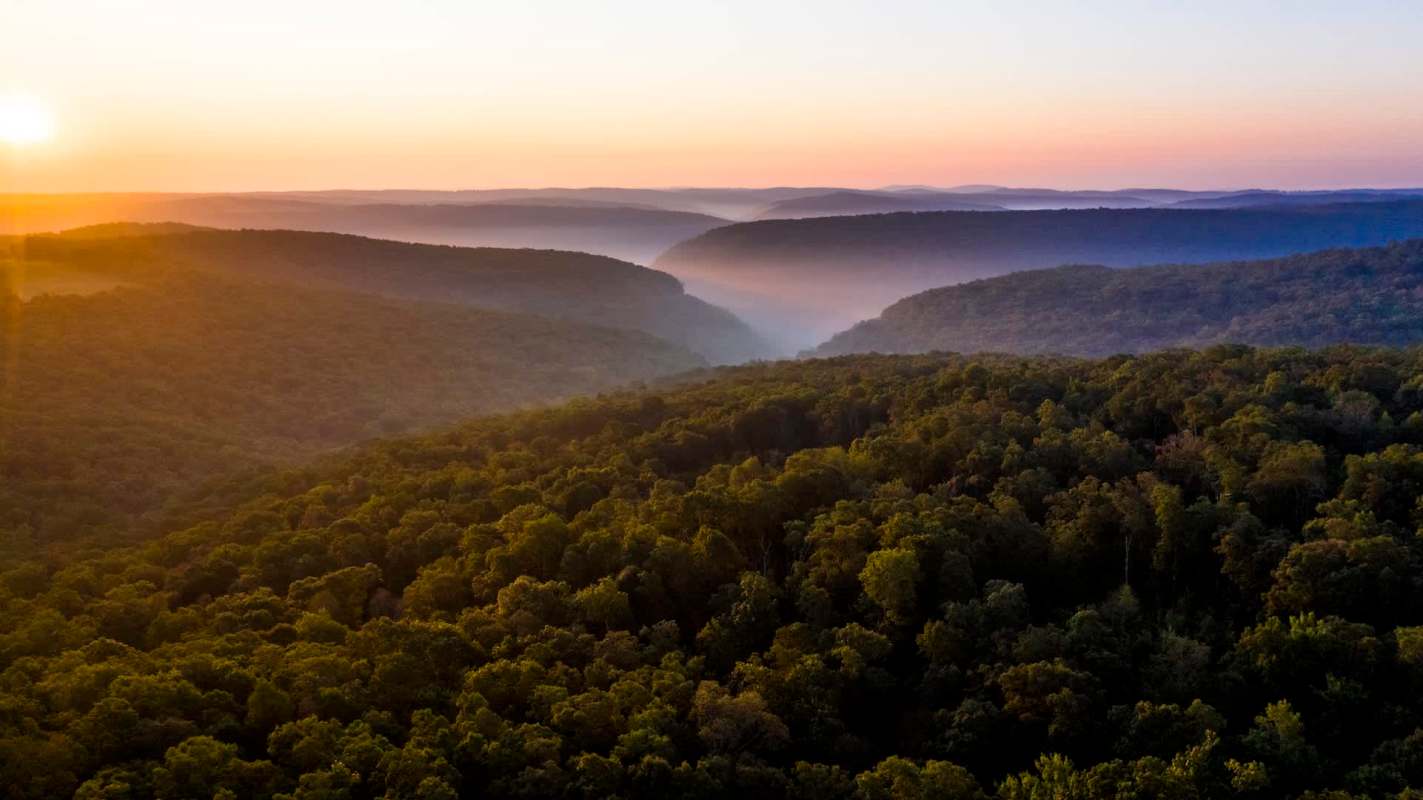
A bit of strategic forest management has allowed Arkansas' red oaks to flourish, according to the Arkansas Game and Fish Commission.
Red oaks are one family of trees in Arkansas' bottomland hardwood forests — ecosystems defined by periodic, human-managed flooding. These oaks provide an ideal habitat for ducks, which feed on their acorns.
A problem arose when resource managers flooded these forests year after year, unintentionally damaging red oaks. Because red oaks require occasional dry periods, species that were more water-tolerant — but less hospitable to ducks — were beginning to spring up in their place.
Over the past decade, though, habitat coordinators have adjusted their approach to ensure the trees' survival, the AGFC announced. One step was to cut down unhealthy and dying trees. This allowed more sunlight to reach the forest floor so that more acorns could sprout into healthy new trees.
Forest managers also altered the flood schedule. They avoided excessively stressing the red oaks by waiting until they were in their dormant period to flood them.
Rob Willey, statewide habitat program coordinator for the AGFC, stated in a press release that the agency is recording data about the red oaks' survival to guide future flooding schedules.
TCD Picks » Quince Spotlight
💡These best-sellers from Quince deliver affordable, sustainable luxury for all




"This will maximize the survival chances of the red oak reproduction and give waterfowl hunting opportunities when the water becomes available," Willey said.
The forest management changes have seen early signs of success. Agency staff reported 889 new red oak seedlings per acre in 2019.
While it might sound counterintuitive, cutting down trees or otherwise limiting growth can often boost a forest's health. For example, conservationists in Japan have cut down monoculture conifer plantations to "rewild" the land with more diverse plant and animal species.
Places at risk of catastrophic wildfires are using prescribed burns to eliminate the sort of kindling that can turn brush fires into raging infernos. While fire is often seen as dangerous, Indigenous peoples practice cultural burning to manage land and keep it healthy.
While these changes can be hugely beneficial to ecosystems — and people who live in or near them — they can also be controversial. That makes it all the more important for people to get involved with local climate action and show support for scientifically backed forest management techniques.
|
Should kids have to bring their own supplies to school?
Click your choice to see results and speak your mind. |
 Yes 👍
Yes 👍 
Get TCD's free newsletters for easy tips to save more, waste less, and make smarter choices — and earn up to $5,000 toward clean upgrades in TCD's exclusive Rewards Club.







