


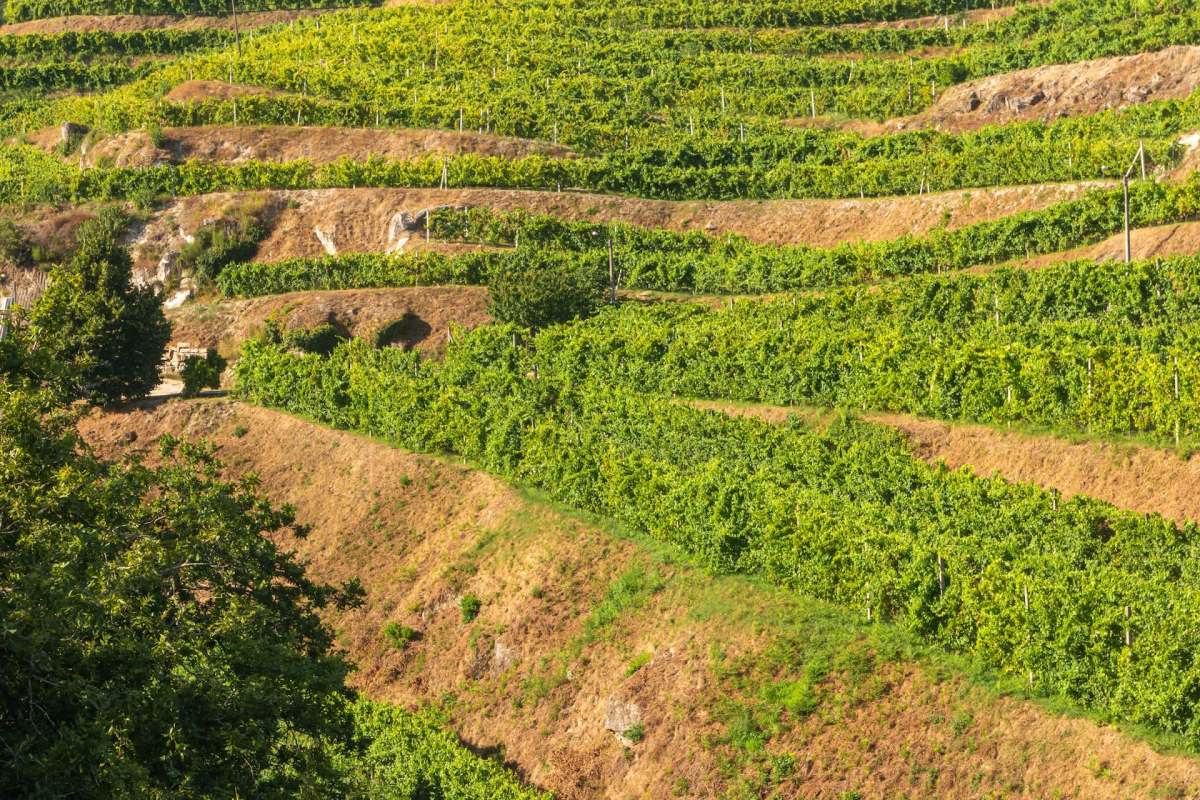
Portugal's wine industry is facing new challenges after government data showed that wine production has fallen to its lowest level in the past 10 years.
What's happening?
According to the National Institute of Statistics, Portugal's wine output dropped by roughly 20% this year, marking the weakest harvest in a decade. The sharp decline is being blamed on a one-two punch of extreme weather conditions that vineyards struggled to withstand.
"Intense rains and mild temperatures in the spring favoured the development of mildew, reducing the number and weight of grapes," the report noted, per The Portugal News.
While growers say the grapes that survived may still produce high-quality wine, there is simply far less of it to go around.
This unusually intense rainfall, combined with mild spring temperatures, created ideal conditions for downy mildew, according to Vinetur, a fungal disease that attacks grapevines.
Later in the season, extreme summer heat compounded the damage, causing sunburn and dehydration in the fruit, underscoring how increasingly erratic weather patterns are reshaping farmers' livelihoods and consumer costs at the checkout.
TCD Picks » Quince Spotlight
💡These best-sellers from Quince deliver affordable, sustainable luxury for all




Why are wine production challenges important?
Wine is more than just a luxury export for Portugal. Thousands of small- and medium-sized farm owners depend on grape harvests to support their families, particularly in rural regions where alternatives are limited.
A reduced harvest means lower incomes for growers, fewer seasonal jobs, and ripple effects across transport, tourism, and hospitality.
For consumers, shrinking supply often translates into higher prices at the grocery store and restaurant table.
This year's losses also highlight a broader concern: crop yields are becoming less predictable as weather becomes more intense and erratic. Similar patterns have already pushed up prices for vegetables, olive oil, and grains across parts of Europe and beyond.
|
How concerned are you about the plastic waste in our oceans? Click your choice to see results and speak your mind. |
 Extremely 😫
 If these disruptions continue, experts warn they could also eventually squeeze out smaller producers who lack the resources to recover from repeated bad seasons.
What's being done about these issues?
Portuguese researchers and agricultural agencies are increasingly focused on adaptation — from developing grape varieties that can tolerate heat and disease to improving agricultural methods.
Some growers are experimenting with altered pruning schedules, shade management, and water-efficient practices to protect vines.
At a broader level, this year's harvest reinforces our need to invest more heavily in resilient farming systems and long-term food security.
Understanding how rising global temperatures and erratic weather affect crops is a crucial step toward protecting farmers' livelihoods and ensuring that essential foods remain available and affordable for everyone.

Get TCD's free newsletters for easy tips to save more, waste less, and make smarter choices — and earn up to $5,000 toward clean upgrades in TCD's exclusive Rewards Club.







