


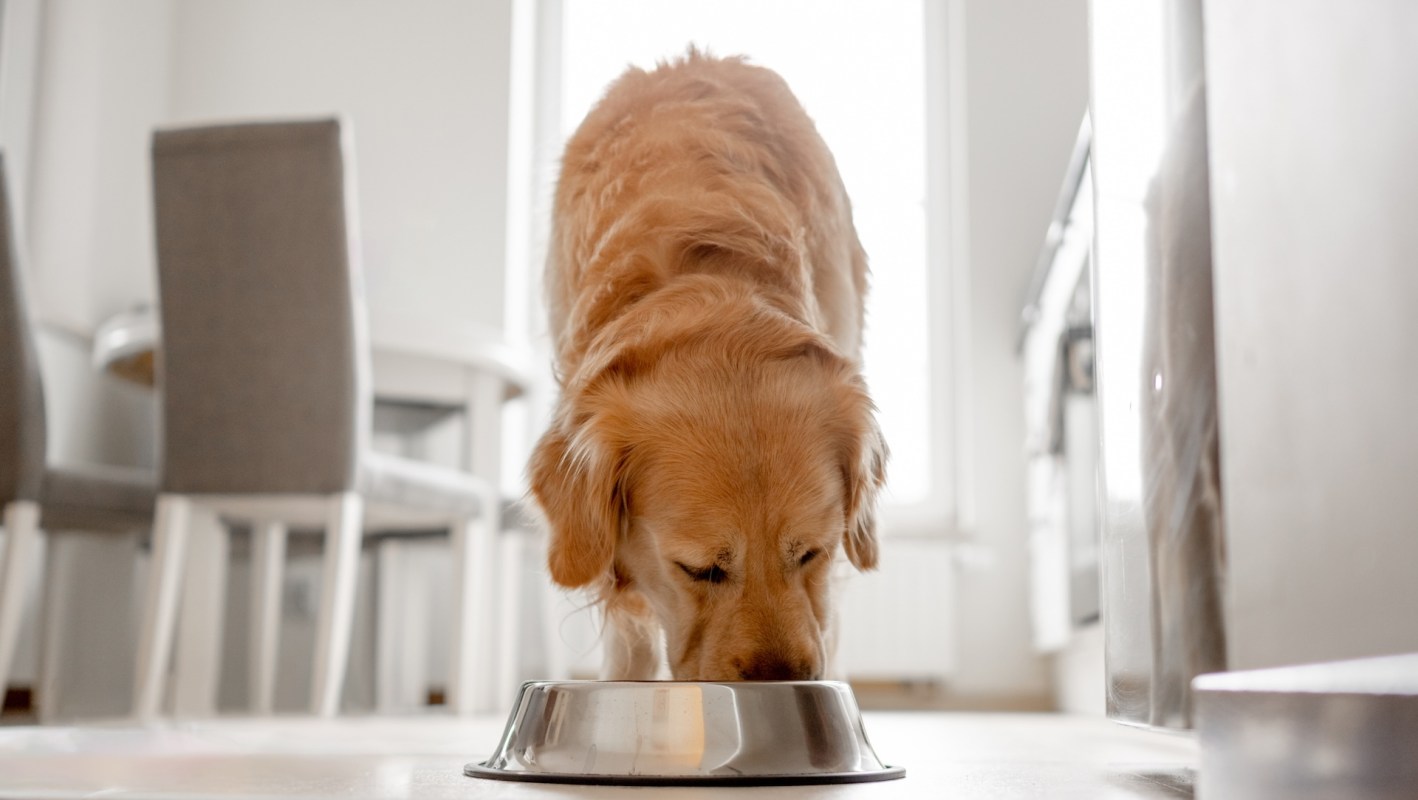
A new study in the U.K. found that your carbon footprint may be unduly impacted by an unexpected source: your dog's food.
According to Forbes, the type of food your dog eats can have an outsized impact on your household's carbon footprint, due to the processes and ingredients used to make it.
Wet foods, grain-free foods, and raw meat foods all have a much higher carbon footprint than their dry kibble counterparts, and dogs fed a diet of premium raw food can have a larger carbon footprint than their owners, according to researchers from the University of Edinburgh and the University of Exeter.
The research analyzed the carbon emissions tied to producing the ingredients in a wide variety of dog foods in the U.K. They also showed that dog food accounts for between 0.9% and 1.3% of greenhouse gas emissions in the country, as Forbes detailed.
And because dog foods tend to be very similar across the United States and Europe, you can get an idea of the impact each country's dog food has based on how much wet versus dry food is sold.
"Some countries [for example] have a higher wet versus dry sales mix — this is important because if a country where little wet food is currently sold suddenly increases its wet proportion, there can be big environmental consequences," said veterinarian John Harvey in the Forbes report. Harvey, the study's lead author, is a doctoral researcher at the University of Edinburgh and a research associate at the University of Exeter.
TCD Picks » Quince Spotlight
💡These best-sellers from Quince deliver affordable, sustainable luxury for all




The study found that, assuming dogs were fed the same types and amounts of food around the world as they are in the U.K., dog food could account for more than half of the annual emissions from commercial airlines' fuel use.
On the plus side, knowledge of the carbon pollution associated with producing different dog foods presents an opportunity for reducing that carbon pollution.
"The potential to reduce — or increase — environmental damage by changing dog diets is enormous," Dr. Harvey said, per Forbes. "By choosing meat products wisely for pet food and making labeling clearer, we can cut this hidden part of our food footprint and have healthy, well-fed dogs."
Harvey also noted that while rules like "dry food over wet food" may hold on the broader spectrum, it's not universally true; it comes down to the ingredients in each food option to determine what its impact might be.
|
What type of food do you feed your pets? Click your choice to see results and speak your mind. |
 Conventional kibble 🐕
 While vegan food has the lowest carbon impact, per Forbes, foods that use nutritious carcass parts that are in lower demand have a reduced impact when compared to raw foods that use "prime meat" that humans also eat.
Ultimately, Harvey's study shows us that in order to reduce our impact on the planet, we need to be mindful of the carbon that comes from every part of our lives, even unexpected places.
"It's important for owners to know that choosing grain-free, wet or raw foods can result in higher impacts compared to standard dry kibble foods," Harvey said. "The pet food industry should make sure meat cuts used are of the types not typically eaten by humans, and that labeling is clear. These steps can help us have healthy, well-fed dogs with a smaller pawprint on the planet."

Get TCD's free newsletters for easy tips to save more, waste less, and make smarter choices — and earn up to $5,000 toward clean upgrades in TCD's exclusive Rewards Club.







