


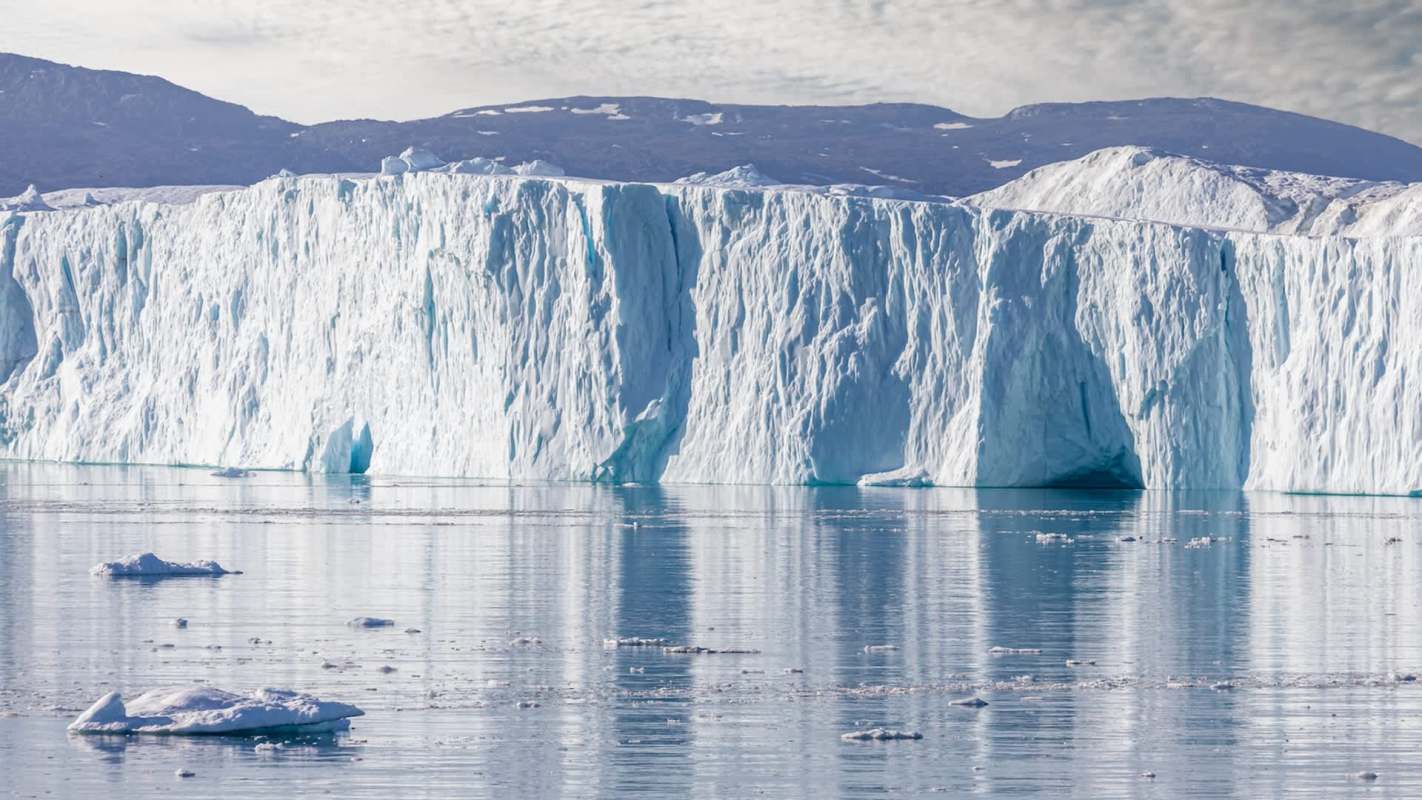
Scientists have identified an atmospheric phenomenon that could accelerate Arctic ice melt in the coming decades, with potentially dire consequences for communities around the world.
What's happening?
Arctic sea ice melt is an increasing concern as rising global temperatures, driven by heat-trapping gases in the atmosphere, exacerbate the issue.
However, since 2012, Arctic sea ice has been melting more slowly than expected.
A team of researchers led by the Hong Kong University of Science and Technology attributed that slowdown to a weather pattern known as North Atlantic Oscillation that trapped cold air in the region, the university said in a press release, shared by Phys.org.
The research, published in the journal Nature Communications, explained that a long-term pattern of decreased heat and moisture in the Arctic helped keep catastrophic ice melt at bay since 2012.
However, scientists expect this phenomenon to last only until around 2030 to 2040, at which point ice melt is likely to accelerate once again.
TCD Picks » Quince Spotlight
💡These best-sellers from Quince deliver affordable, sustainable luxury for all




"In the absence of greenhouse gas emission reduction, we may encounter a sequence of climate and environmental crises triggered by a sharp reduction in Arctic sea ice after approximately a decade or so," the researchers wrote.
Why is melting Arctic sea ice concerning?
Sea levels rise as Arctic sea ice melts, leading to problems ranging from shoreline erosion to increasingly frequent and severe storms.
Coastal communities are particularly at risk of increased flooding, which could lead to displacement. With home insurance companies pulling coverage or changing policy terms to avoid paying out for losses related to extreme weather, homeowners' financial losses could be immense.
Severe weather also threatens the food supply, as flooding can make it harder for farmers to grow crops due to waterlogging and oversalination. Rising sea levels also disrupt marine ecosystems, posing a risk to the world's seafood supply.
|
Do you think America could ever get all of its power from clean energy? Click your choice to see results and speak your mind. |
 No way 👎
 In addition, the paper's authors pointed out that Arctic ice melt affects shipping routes, which could have major impacts on the global economy.
What can be done about Arctic ice melt?
Arctic ice melt is a complex phenomenon, and researchers are working to enhance scientific knowledge about the warming world.
Still, one tangible way to stave off the devastating effects of rising sea levels is to stop burning dirty fuels that emit polluting gases. By transitioning to renewable energy, people and their governments can help preserve the polar icecaps — and the animals that call them home.

Get TCD's free newsletters for easy tips to save more, waste less, and make smarter choices — and earn up to $5,000 toward clean upgrades in TCD's exclusive Rewards Club.







