


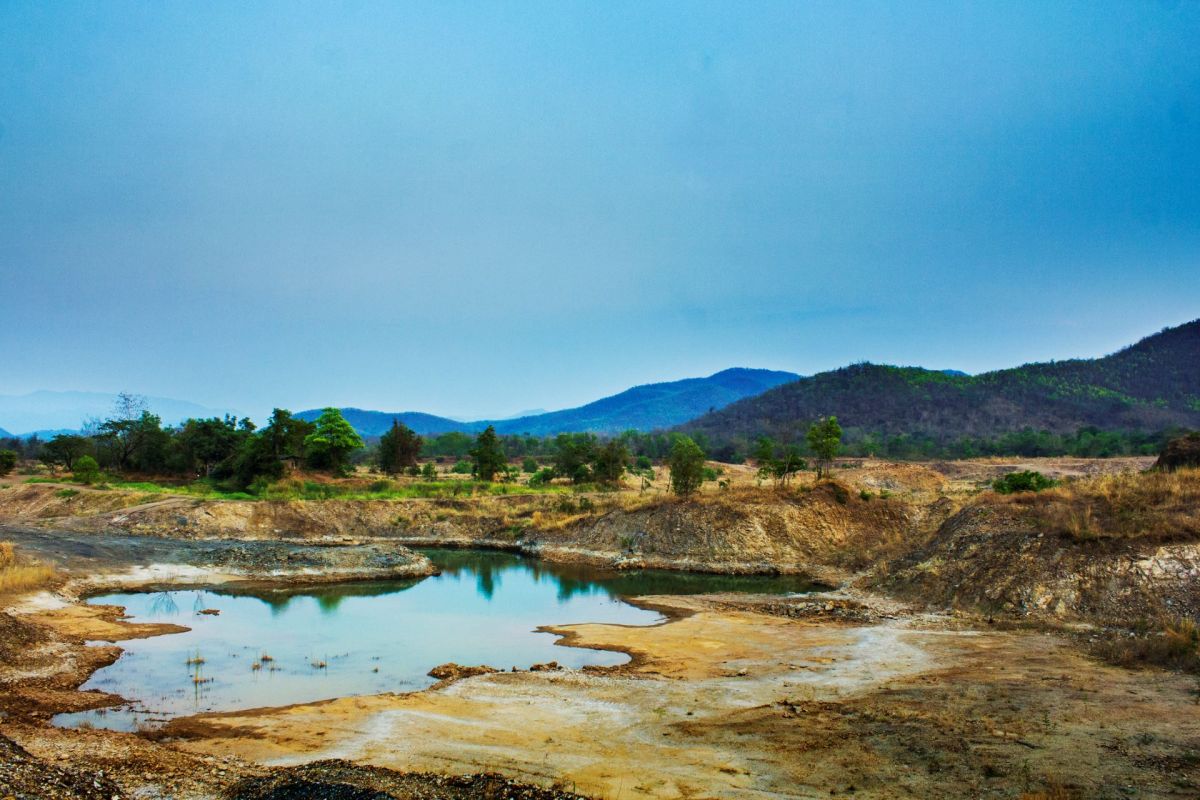
According to CBS News, the mountains above Dillon, Colorado, are seeing the least amount of snowpack since records started in the 1970s.
What's happening?
The snowpack is only at 46% of its average and would produce almost three inches of water if the snow melted now. However, it should be at six inches.
Denver Water manager of water supply Nathan Elder told CBS News, "It's the worst it's been in more than half a century."
It's not just the data showing the unprecedented lack of snowpack. Some of the Dillon Reservoir has yet to freeze over. There is still some hope because the snowiest months are February through April, when Colorado can see 80% of its snowfall.
According to CBS News, "Elder pointed to the winters of 1999-2000 and 2012-2013, which both started with slow accumulation before finishing near normal levels."
Unfortunately, not all seasons see a rebound and have instead led to drought conditions.
TCD Picks » Quince Spotlight
💡These best-sellers from Quince deliver affordable, sustainable luxury for all




Why is the lack of snowpack concerning?
The whole world is seeing less snowfall, and while some people may feel relief from not shoveling as much snow from their driveways, it can have dire consequences.
Elder said, "A huge portion of Denver's water supply and the supply in Colorado relies on snowpack runoff in the spring."
The Sierra Nevada has also seen less snowfall in the 2025-2026 winter season. The snowmelt has also been declining for over a century, which has led to tree deaths and wildfires.
Lack of snowmelt like this can threaten water and food supplies. If there isn't enough water for agriculture, then communities may not be able to produce the food that they need.
|
What's the most you'd pay per month to put solar panels on your roof if there was no down payment?
Click your choice to see results and speak your mind. |
 $200 or more 💰
 Snow droughts have always happened, but scientists agree that a warming planet caused by society's reliance on fossil fuels is intensifying them.
What's being done about the snow drought?
While the reservoirs are only 4% lower than they should be at this time, Denver communities could feel the impact next year if the snowfall doesn't increase.
City officials are encouraging residents to prepare for the potential impact now.
Elder said, "You can start preparing for potential drought conditions, making landscapes more resilient and planning landscape transformations."

Get TCD's free newsletters for easy tips to save more, waste less, and make smarter choices — and earn up to $5,000 toward clean upgrades in TCD's exclusive Rewards Club.







