


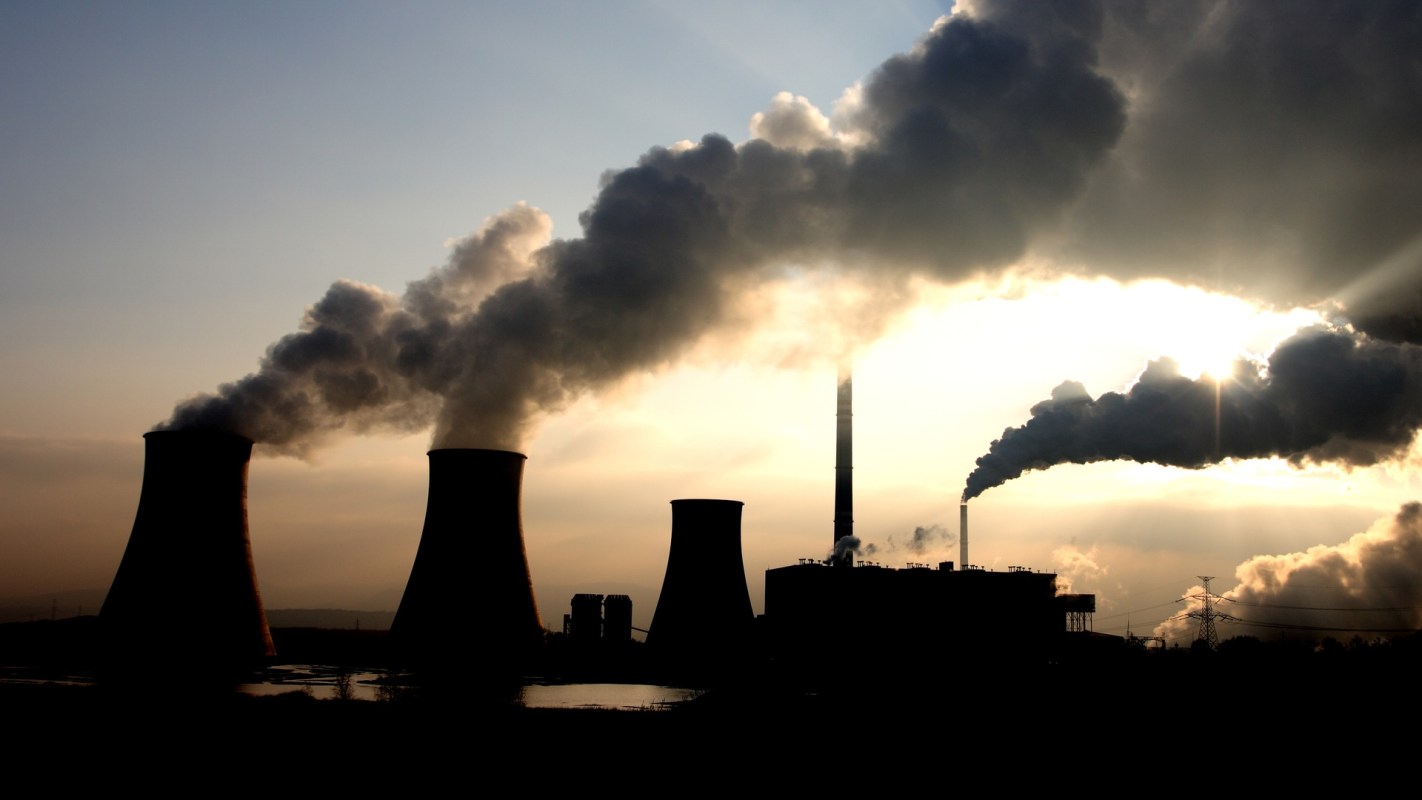
A new study published in Nature Communications demonstrated that not only does India have nothing to lose by beginning an orderly shutdown of its coal-powered electric plants; if handled correctly, a shutdown ahead of the current planned schedule would actually save the country hundreds of billions of dollars while preserving human life, Earth.com reported.
Right now, India relies on coal for about 70% of its power supply. That's a problem because coal creates an incredible amount of air pollution. Like other dirty fuels — such as oil and gas — it releases carbon dioxide and tiny particulates of matter when burnt. When people breathe in this pollution, it can cause both short- and long-term health problems, some of which are deadly.
One study cited by Earth.com estimated the death toll in India from coal pollution at 112,000 per year. Meanwhile, the carbon air pollution traps heat in the atmosphere and raises the Earth's temperature, damaging the climate.
With that in mind, India has the goal of reaching net zero pollution by the year 2070, meaning that it will remove as much pollution from the atmosphere as it generates, and by 2030, it wants to be getting half of its electricity from sources other than coal.
To achieve that, researchers led by Xinyi Long from Fudan University in Shanghai, China, examined the best way to shut down the country's coal plants on a site-by-site basis, prioritizing shutting down the most polluting and underperforming facilities first. They examined two scenarios: one in which overall changes to the climate were less pronounced and one in which they were greater.
They found that the optimum approach actually saved India an incredible amount of money. In the scenario with less overall planet warming, following their plan, the state of Chhattisgarh would see a net gain of about $171 billion when considering medical benefits from the reduced pollution and the economic benefits of fewer lost work days. Uttar Pradesh would gain about $110 billion.
TCD Picks » Quince Spotlight
💡These best-sellers from Quince deliver affordable, sustainable luxury for all




Clean energy options often prove to be more affordable and financially beneficial, and this has once again proven true in India's case. By shifting to renewable sources like solar and wind, the country can save a significant amount of money.
|
What's the most you'd pay per month to put solar panels on your roof if there was no down payment?
Click your choice to see results and speak your mind. |
 $200 or more 💰
Get TCD's free newsletters for easy tips to save more, waste less, and make smarter choices — and earn up to $5,000 toward clean upgrades in TCD's exclusive Rewards Club.






