


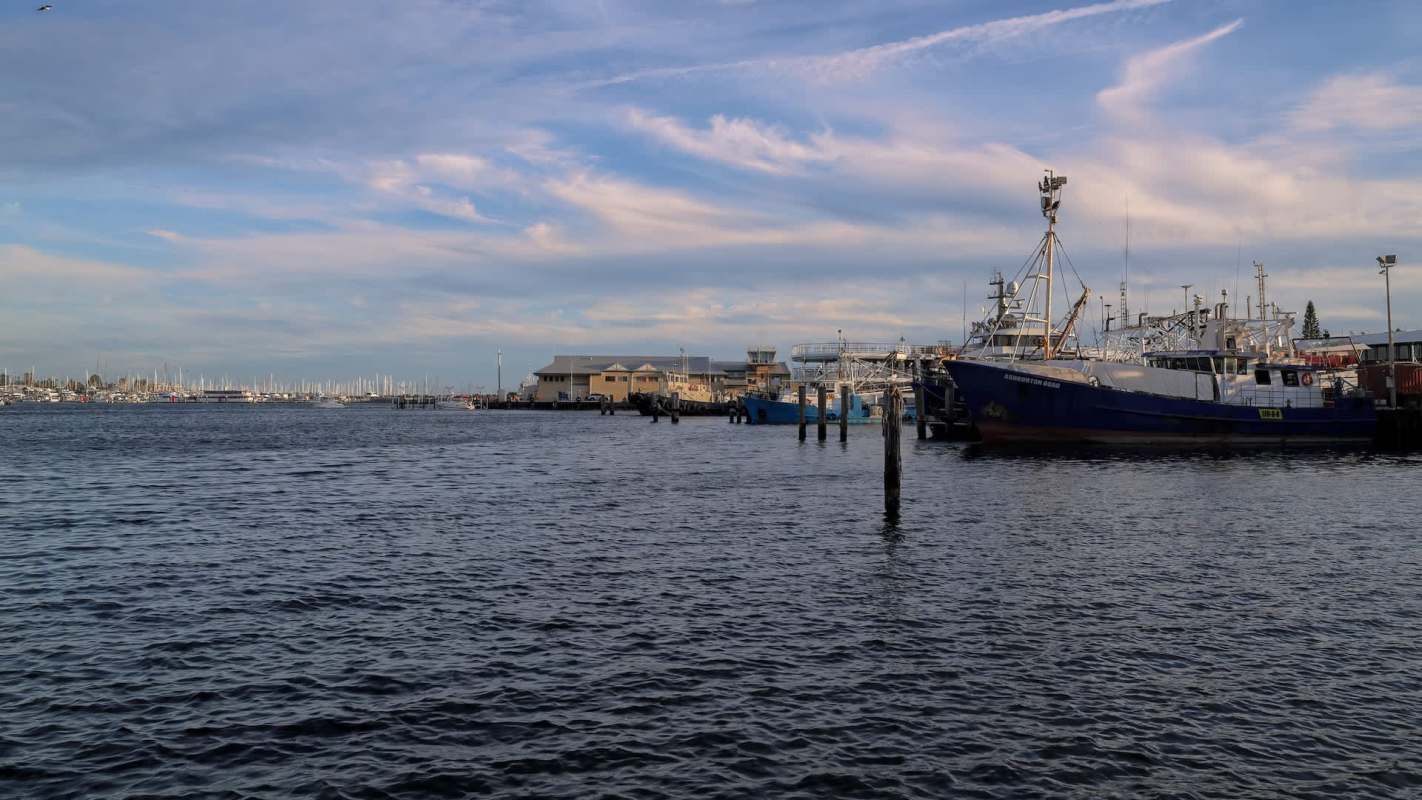
State officials in Western Australia have introduced new restrictions on fishing several bottom-dwelling species.
These include dhufish and pink snapper, and the ruling applies to large stretches of coastline from Kalbarri down to Augusta and around Perth.
ABC News reported that the bans will affect both commercial operators and recreational fishers.
The goal is to give struggling fish populations time to recover and protect the fishery for the long term.
Officials say the species face serious population declines, placing them at grave risk. The state permanently banned commercial fishing for these species and paused boat-based recreational fishing until late 2027.
There is some good news for everyday anglers: shore-based fishing remains open, allowing people to keep fishing from beaches and jetties even as boat-based rules tighten.
TCD Picks » Quince Spotlight
💡These best-sellers from Quince deliver affordable, sustainable luxury for all




The decision hit many in the fishing community hard. Recfishwest CEO Andrew Rowland acknowledged the emotional impact, saying, "It's going to come as a shock to a lot of people."
WA Nationals fisheries spokesperson Kirrilee Warr added that many fishers felt "very blindsided."
Still, marine scientists and conservation advocates argue the pause offers something increasingly rare: breathing room.
Because these fish grow slowly, they don't bounce back quickly once numbers drop. Giving them a break helps restore balance across the marine ecosystem.
|
What's the most you'd pay per month to put solar panels on your roof if there was no down payment?
Click your choice to see results and speak your mind. |
 $200 or more 💰
 More fish in the water means steadier fishing, stronger seafood supplies, and more enjoyable days on the coast — benefits that also support community well-being.
Western Australia isn't the only place taking these steps. In Greece, officials have begun limiting bottom trawling in marine parks, and Arctic countries are imposing stricter rules on cruise tourism to protect fragile ecosystems.
Some people worry about the economic impact, especially commercial fishers and coastal towns that rely on the industry. Compensation programs, job transition support, and increased investment in sustainable aquaculture could help to ease the transition.
Rowland framed the moment as a difficult but necessary reset. "But the winner today is dhufish, and that really matters for our sector," he said. "This is short-term pain for long-term gain."
For future generations hoping to cast a line or enjoy vibrant ocean life, that trade-off may prove well worth it.

Get TCD's free newsletters for easy tips to save more, waste less, and make smarter choices — and earn up to $5,000 toward clean upgrades in TCD's exclusive Rewards Club.







