


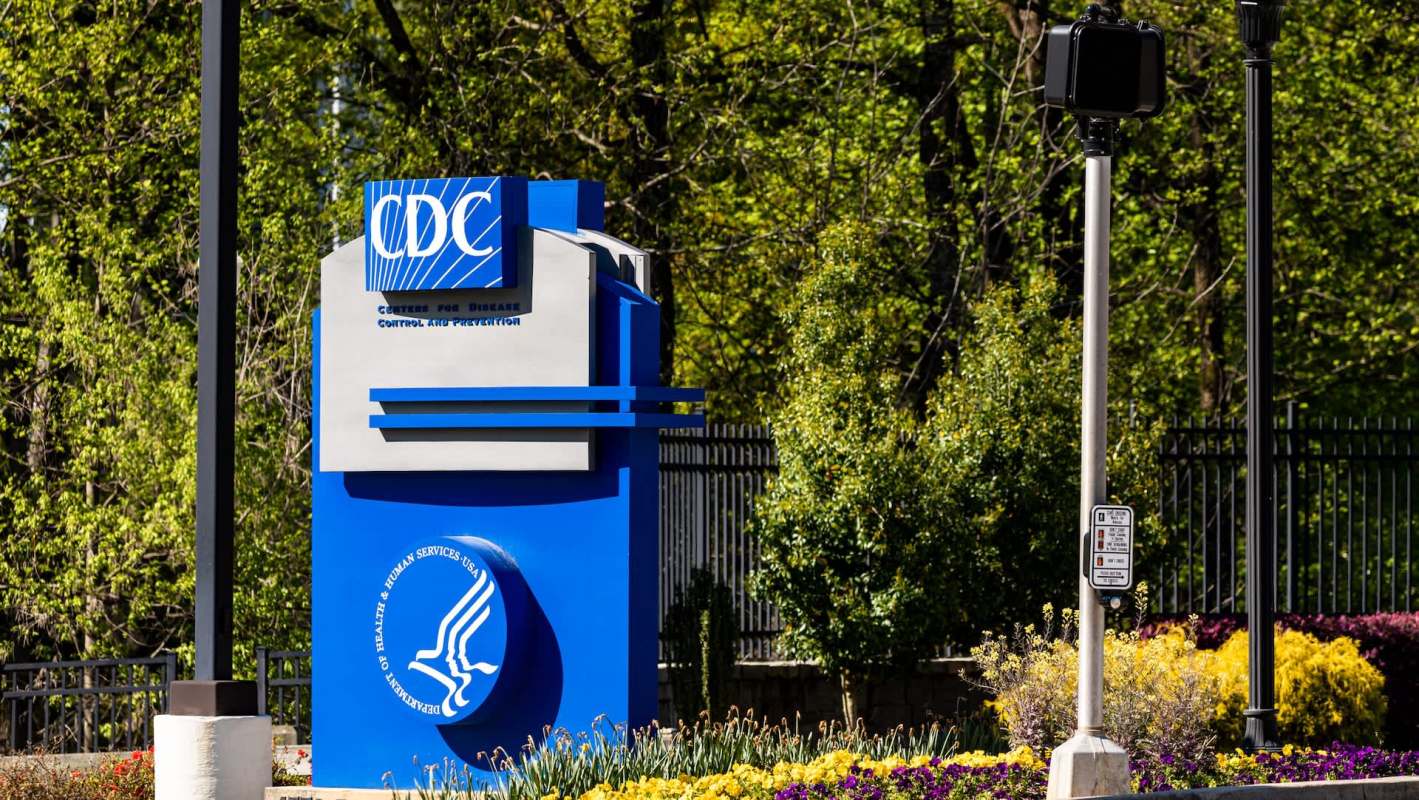
Four countries are dealing with a surge in mosquito-borne illnesses that can leave people in pain for months, and U.S. health officials are urging travelers to take extra care.
The Centers for Disease Control and Prevention issued a travel health warning after drug-resistant Chikungunya outbreaks spread across parts of Asia, the Caribbean, and China, silive.com reported.
What's happening?
Sri Lanka, Bangladesh, Cuba, and China's Guangdong Province are currently experiencing outbreaks of chikungunya, a viral disease transmitted by infected mosquitoes.
With no specific antiviral treatment available, the CDC issued a Level 2 travel notice, advising visitors to "practice enhanced precautions." That includes using EPA-approved insect repellent, wearing long sleeves and pants, staying in places with air conditioning or window screens, and limiting time outdoors during peak mosquito hours.
The warning also highlights the importance of vaccination where available and notes that some strains circulating during this outbreak have shown limited response to existing treatment options, raising concerns about longer-lasting illness and complications.
Why is this travel notice important?
Chikungunya usually isn't fatal, but it can hit hard. People often develop a sudden fever, painful, swollen joints, headaches, muscle aches, and rashes. Some recover fairly quickly, but others end up with joint pain that sticks around for months — sometimes years — making day-to-day life more difficult.
TCD Picks » Quince Spotlight
💡These best-sellers from Quince deliver affordable, sustainable luxury for all




Public health officials are also watching a broader trend: mosquito-borne illnesses are spreading more easily as warmer temperatures and shifting weather patterns create ideal breeding conditions for mosquitoes. Longer warm seasons mean mosquitoes live longer, spread farther, and bite more often — increasing the odds of outbreaks like this one.
For communities with limited healthcare access or high population density, these outbreaks can strain local health systems and disrupt daily routines. Health officials say alerts like this reflect a growing need to respond quickly as mosquito-borne illnesses appear in new regions.
What's being done — and what can you do?
Public health agencies are keeping a closer eye on new cases, swapping information with counterparts and other countries, and updating travel advice as the outbreak evolves. Researchers are also working to improve vaccines and treatments as mosquito-borne illnesses become harder to control.
For travelers and residents of affected areas, simple habits can significantly reduce risk. Experts advise using insect repellent, wearing protective clothing outdoors, limiting exposure during peak mosquito activity, and removing standing water around homes or lodging. Staying current on travel advisories and seeking medical care if symptoms appear after travel can also help prevent more serious complications.
These alerts aren't meant to spark panic — they are about awareness. As mosquito-borne illnesses spread to new areas, staying informed and taking basic precautions can help protect individuals and the communities around them.
|
What's the most you'd pay per month to put solar panels on your roof if there was no down payment?
Click your choice to see results and speak your mind. |
 $200 or more 💰
Get TCD's free newsletters for easy tips to save more, waste less, and make smarter choices — and earn up to $5,000 toward clean upgrades in TCD's exclusive Rewards Club.







