


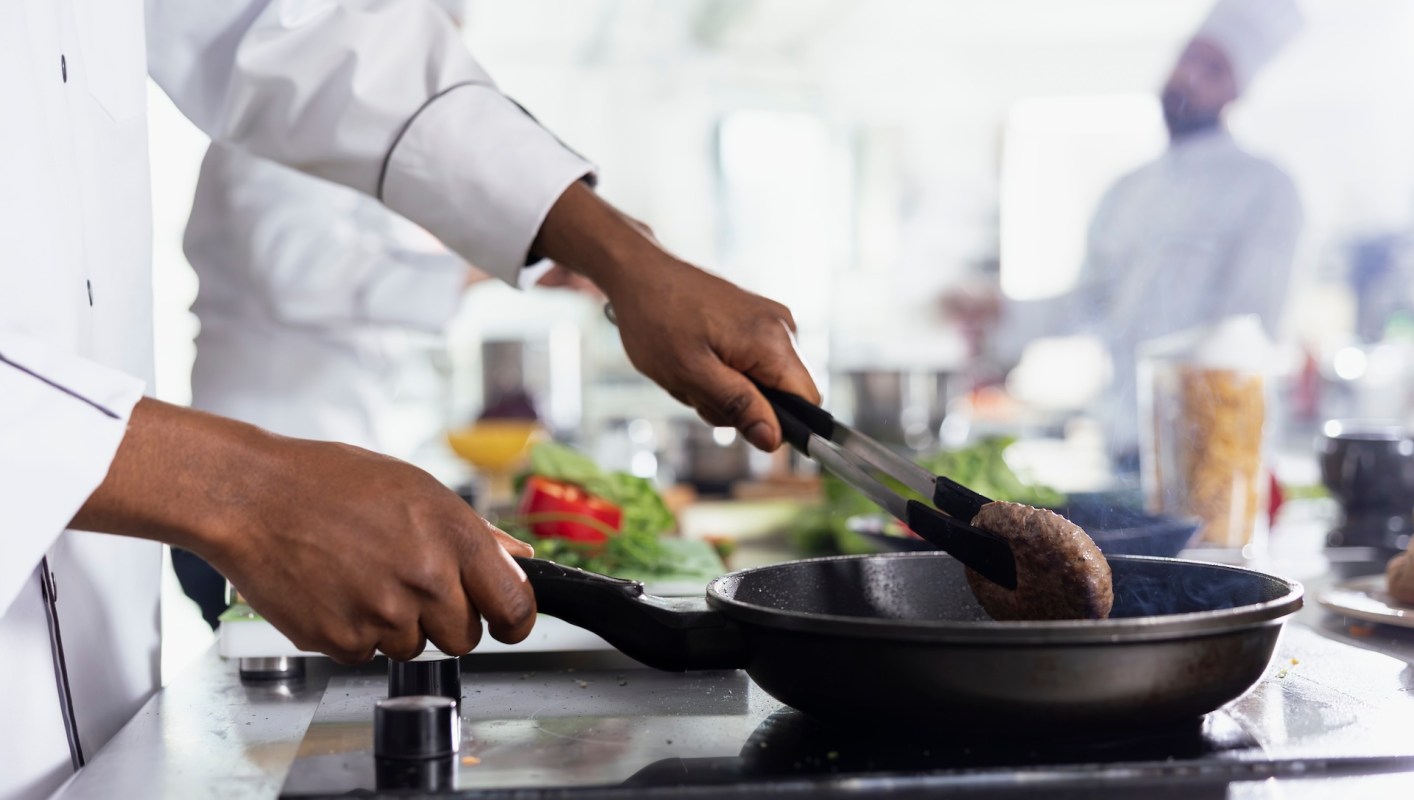
Food waste is a complex problem due to logistics and scale, which vary significantly between restaurants, supermarkets, and households.
Convention food waste is perhaps one of the most challenging problems to tackle, as events differ widely in size and occur at random intervals — but, as WRDW reported, North Carolina's Charlotte Convention Center has shown that food waste isn't inevitable.
WRDW indicated that an estimated $21 billion in food for meetings and events goes to waste each year in the United States.
That figure appeared to originate from a 2019 Professional Convention Management Association seminar, based on the overall estimated food-waste rate and the standard annual food spend for events. It could be even higher today.
U.S. Department of Agriculture data indicated that between 30% and 40% of the food supply is wasted in the United States each year.
Recycling Track Systems published figures for 2026, maintaining that America wastes more food, "nearly 60 million tons — 120 billion pounds — every year," than any other nation.
TCD Picks » Quince Spotlight
💡These best-sellers from Quince deliver affordable, sustainable luxury for all




RTS noted that the rate was closer to 40% of the food supply, an average of 325 pounds of food per person, per year in the U.S. Food waste is often discussed alongside food insecurity, and RTS added that 35 million Americans, nearly 10%, "suffer from food insecurity."
However, food waste would remain a major problem even if food insecurity were to vanish. Landfilled food is a significant source of harmful carbon pollution, five times that of the entire aviation sector.
According to the Environmental Protection Agency, an estimated 58% of unintentional methane gas is caused by municipal solid waste, much of which is food. The EPA indicated that food waste costs each American household $2,913 a year, or $56 a week.
As WRDW explained, convention food requires meticulous planning, but between uneaten portions and fluctuating attendance, waste is rampant.
|
How often do you make a meal out of leftovers? Click your choice to see results and speak your mind. |
 Almost every day 🗓️
 Christopher Vanella is the Charlotte Convention Center's executive sous chef, and he's seen the immense problem up close.
"Hundreds of thousands of people come through here annually. These events that don't meet their attendance levels … I mean, yes, our staff eats fantastic here. There's still a surplus, plenty of food leftover," he said.
In 2016, Tom McKernan founded Stew of Sustainability to address food waste and food insecurity at a local level; 15% of locals are considered food insecure. He approached the convention center in 2018 to explore a new potential source of food donations.
"I wanted to create a different way to carve into that percentage of food that's wasted," McKernan told WRDW. The result was an arrangement with the Second Harvest Food Bank of Metrolina.
Logistically, the process is streamlined at the Charlotte Convention Center: Leftover food fit for consumption is gathered and safely stored until "enough accumulates to make pickup worthwhile for Second Harvest Food Bank."
Ethan Altmire of the Second Harvest Food Bank said that the bulk of convention food donations are distributed to soup kitchens, where it's a perfect fit for their operations.
"This food is great for soup kitchens because it's easy to prepare. All they have to do is heat it up and it's ready to eat," Altmire remarked.

Get TCD's free newsletters for easy tips to save more, waste less, and make smarter choices — and earn up to $5,000 toward clean upgrades in TCD's exclusive Rewards Club.







