


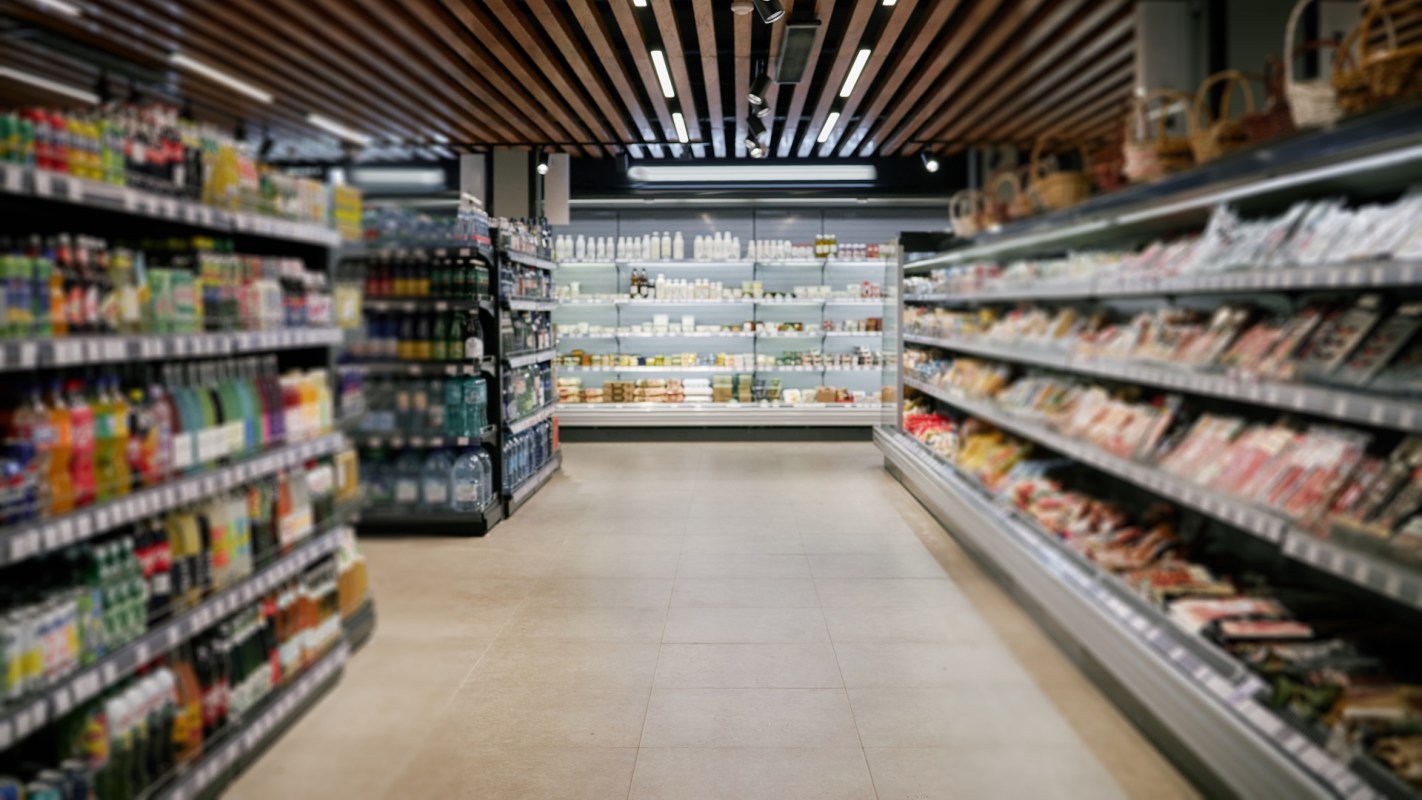
The cost of food waste is projected to rise by as much as $14 billion in 2026, according to European Supermarket News, with one grocery category accounting for a fifth of the losses.
What's happening?
On Jan. 12, materials and packaging conglomerate Avery Dennison published industry projections for food waste in 2026, identifying meat as an increasing contributor.
Avery Dennison estimated that meat-related food waste could account for almost 20% of all food waste in 2026, potentially costing $94 billion (€80.4 billion).
The firm's analysis noted that 72% of supply chain managers viewed meat inventory and waste as their biggest challenge, and 69% said that managing meat "had become a bigger operational concern than before" during peak shopping seasons.
More than two-thirds of those polled anticipated that food waste losses involving meat would undermine their overall margins "noticeably," whereas 74% admitted that inflation wreaked havoc on their ability to gauge consumer demand.
Why is an uptick in food waste concerning?
In the aggregate, Avery Dennison attributed a spike in food waste and the attendant costs to companies and consumers to broader economic volatility.
TCD Picks » Quince Spotlight
💡These best-sellers from Quince deliver affordable, sustainable luxury for all




That hinted at a frustrating cycle in which demand for certain foods, particularly expensive items like meat, became difficult to predict as prices fluctuated and other costs rose.
In turn, more meat and perishable food went to waste, further driving up prices for cost-burdened grocery shoppers.
Food waste is certainly an economic problem, but that's far from its only negative impact.
Between 8% and 10% of all harmful emissions are generated by landfilled food waste, according to the United Nations. Over 1 billion tons of food were wasted in 2022, at a cost of $1 trillion, while a third of the global population experienced food insecurity.
|
What is the biggest reason you don't grow food at home? Click your choice to see results and speak your mind. |
 Not enough time ⏳
 Ultimately, the report indicated that food waste costs around 33% of a company's revenue, potentially incentivizing solutions at the retailer level.
What's being done about it?
As margins fluctuate and retailers contend with unpredictable shopping behaviors, Avery Dennison's head of enterprise sustainability, Michael Colarossi, saw potential profits.
"For too long, food waste has been positioned almost exclusively as a sustainability and societal issue. We must recognize it as the business opportunity it truly is," he said in a release.
"In fact, over seven in 10 (73%) business leaders told us that they see tackling food waste as a growth opportunity. That's why the $540 billion in lost value should be a clear call to action for the food retail supply chain to cut waste and boost efficiencies," Colarossi added.
Shoppers can tackle the problem at home in several ways: strategic shopping, maximizing leftovers, and composting can make a big dent in household food waste.

Get TCD's free newsletters for easy tips to save more, waste less, and make smarter choices — and earn up to $5,000 toward clean upgrades in TCD's exclusive Rewards Club.






