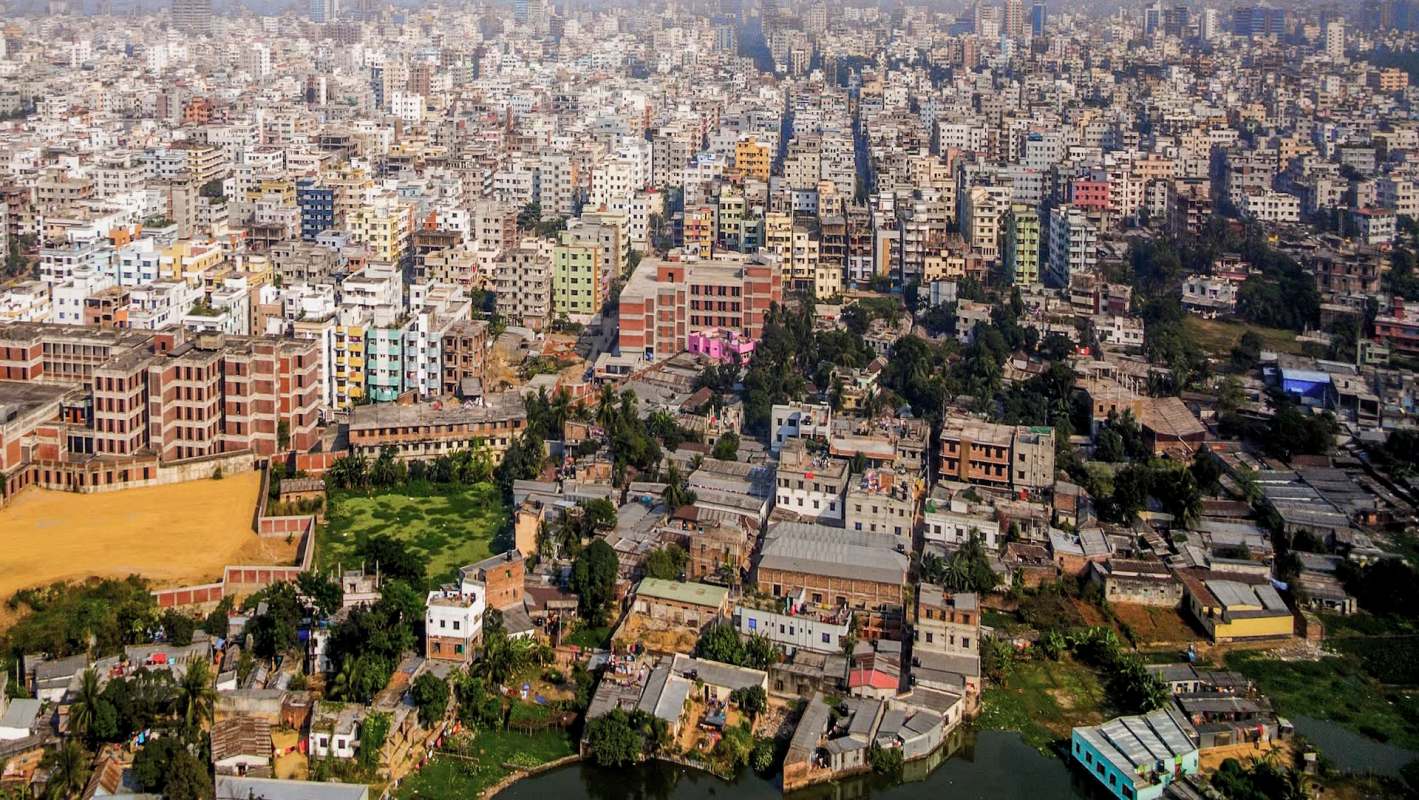
An abundance of venomous snakes near and within the capital city of Dhaka in Bangladesh has alarmed officials in recent months, raising concerns that rapid urbanization may be driving the reptiles from their natural habitats.
What's happening?
According to the environmental news outlet Mongabay, government officials and groups such as the Bangladesh Animal Welfare Association rescued hundreds of snakes in and around Dhaka in 2025.
At least 351 were captured in "densely populated" areas between January and November 1. Mongabay reported that 319 were venomous.
The association's Adnan Azad told the Daily Bangladesh Tribune that some snakes have been found as high as the ninth floor of some buildings. Once caught, experts return the animals to nature.
Why are snakes being rescued, and why does it matter?
Experts like Md Sohel Rana, a herpetologist with the Bangladesh Forest Department's Wildlife Centre, are concerned that habitat loss due to human activity is the primary driver of burgeoning snake populations in residential areas.
"Reduced water bodies, deforestation, industrialization, urbanization, and destruction of snake habitats by humans are the reasons for finding snakes in urban homesteads," Rana told Mongabay, noting that habitat loss is also impacting snakes' food sources.
TCD Picks » Quince Spotlight
💡These best-sellers from Quince deliver affordable, sustainable luxury for all




"Due to a rapidly changing landscape, most of the wildlife have lost their habitats," Rana continued. "As a result, they frequently sneak into human settlements in search of food and shelter."
A study by the Change Initiative found that the city of Dhaka lost more than 60% of its water bodies between 1980 and 2024. The Padma cobra is among the snake species that prefer watery environments, like rivers and ponds, zoologist Farid Ahsan told the Daily Bangladesh Tribune. The Change Initiative also found that around 56% of the area's grass and agricultural lands had also been lost.
These losses also pose risks to city dwellers. Among the 89 snake species native to Bangladesh, around 30% are venomous, according to a study cited by Mongabay. An uptick in snakes driven from natural habitats into populated areas could increase the risk of harmful snake bites.
What's being done?
In his conversation with Mongabay, Rana noted that social media has raised awareness of snake rescues in the city and spread information on how to safely approach snakes.
|
Do you think America does a good job of protecting its natural beauty? Click your choice to see results and speak your mind. |
 Definitely 👍
 These animals generally won't attack unless they feel threatened, but tense human-wildlife encounters aren't necessarily unlikely in a densely packed city. The more people are aware that snakes may be lurking around the corner, the better for all parties.
Raising awareness not only of potentially dangerous human-wildlife encounters but also of the causes that can contribute to them is key to effective action. Shoring up support for the protection of natural habitats by conserving and restoring large swaths of land can help provide wild animals with the space and resources they need to survive — far from busy residential communities.

Get TCD's free newsletters for easy tips to save more, waste less, and make smarter choices — and earn up to $5,000 toward clean upgrades in TCD's exclusive Rewards Club.