


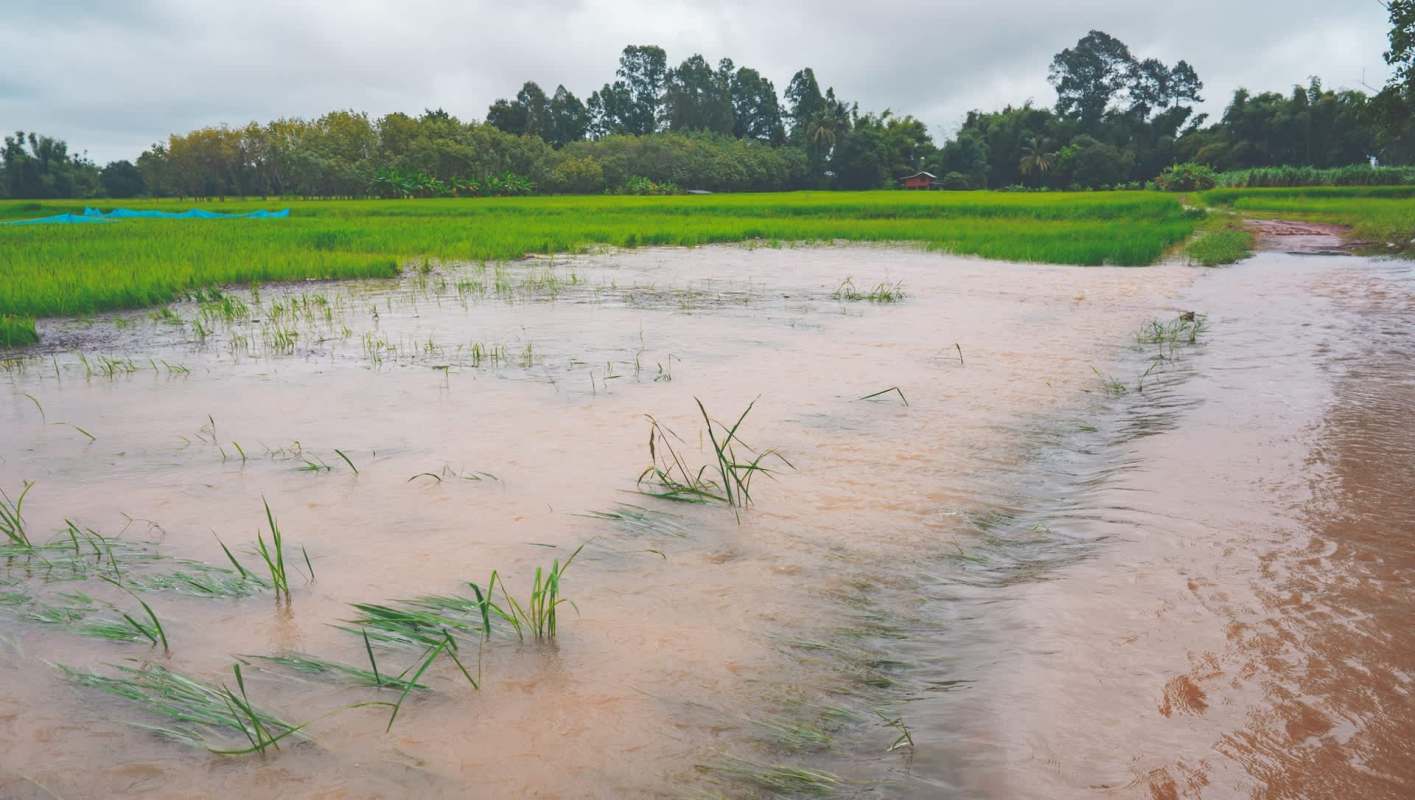
Sri Lanka experienced the worst flooding the country has seen in decades between November and December.
The extraordinary amount of rainfall destroyed thousands of acres of paddy fields, increasing the pressure on farmers who are already struggling to afford to farm.
What's happening?
According to the Tamil Guardian, Vavuniya experienced a record amount of rainfall equivalent to 68% of the city's average annual precipitation rates over the course of just four days.
The city's agricultural infrastructure was not equipped to withstand this rapid flooding, seeing more than 120 irrigation tanks overflow, which left paddy fields completely submerged in water.
Of the nearly 63,000 acres of paddy fields growing in the Vavuniya district during the growing season, 7,700 acres of paddy fields had been destroyed by the rain — about 12%.
Why are crop losses concerning?
Farmers globally are experiencing increasing agricultural costs. From more expensive water costs to failed seeds, farming is becoming more difficult to sustain, particularly in the face of rising global temperatures and more frequent extreme weather events.
TCD Picks » Quince Spotlight
💡These best-sellers from Quince deliver affordable, sustainable luxury for all




Warmer temperatures affect ideal growing conditions for both essential and luxury crops, leaving farmers with significant crop losses or near empty fields — which have real financial consequences.
According to the Tamil Guardian, cultivating one acre of paddy field can cost farmers up to Rs. 150,000, or about $484.50. If all the lost paddy fields had growing activity, losses could have amounted to about Rs. 1.15 billion, or about $3.7 million.
These crop losses are an added blow to the debt and bank loans that farmers took on to finance their farming operations. Some farmers even pawned their jewelry to secure funding for their paddy farming.
These paddy field losses, which disrupt the global food supply, raise production costs. Consumers ultimately end up paying more for groceries.
|
What is the biggest reason you don't grow food at home? Click your choice to see results and speak your mind. |
 Not enough time ⏳
 What's being done about crop losses?
In response to the flooding crisis that destroyed thousands of acres of paddy fields, the Sri Lankan government has announced plans to compensate farmers Rs. 150,000 per hectare (or about 2.47 acres) of crop losses. This monetary award will ease the financial pressure for Sri Lankan farmers recovering from this disastrous extreme weather event.
Research is underway to study how to circumvent the increased risks of farming in changing weather conditions, minimizing the amount of crops lost in a growing season and ensuring food remains accessible and affordable. Artificial intelligence is among the tools being deployed.
Not wasting food helps honor the increased effort it takes to grow food in today's unpredictable agricultural conditions and reduces demand for crops that have experienced losses — while also saving money on grocery bills.

Get TCD's free newsletters for easy tips to save more, waste less, and make smarter choices — and earn up to $5,000 toward clean upgrades in TCD's exclusive Rewards Club.







