


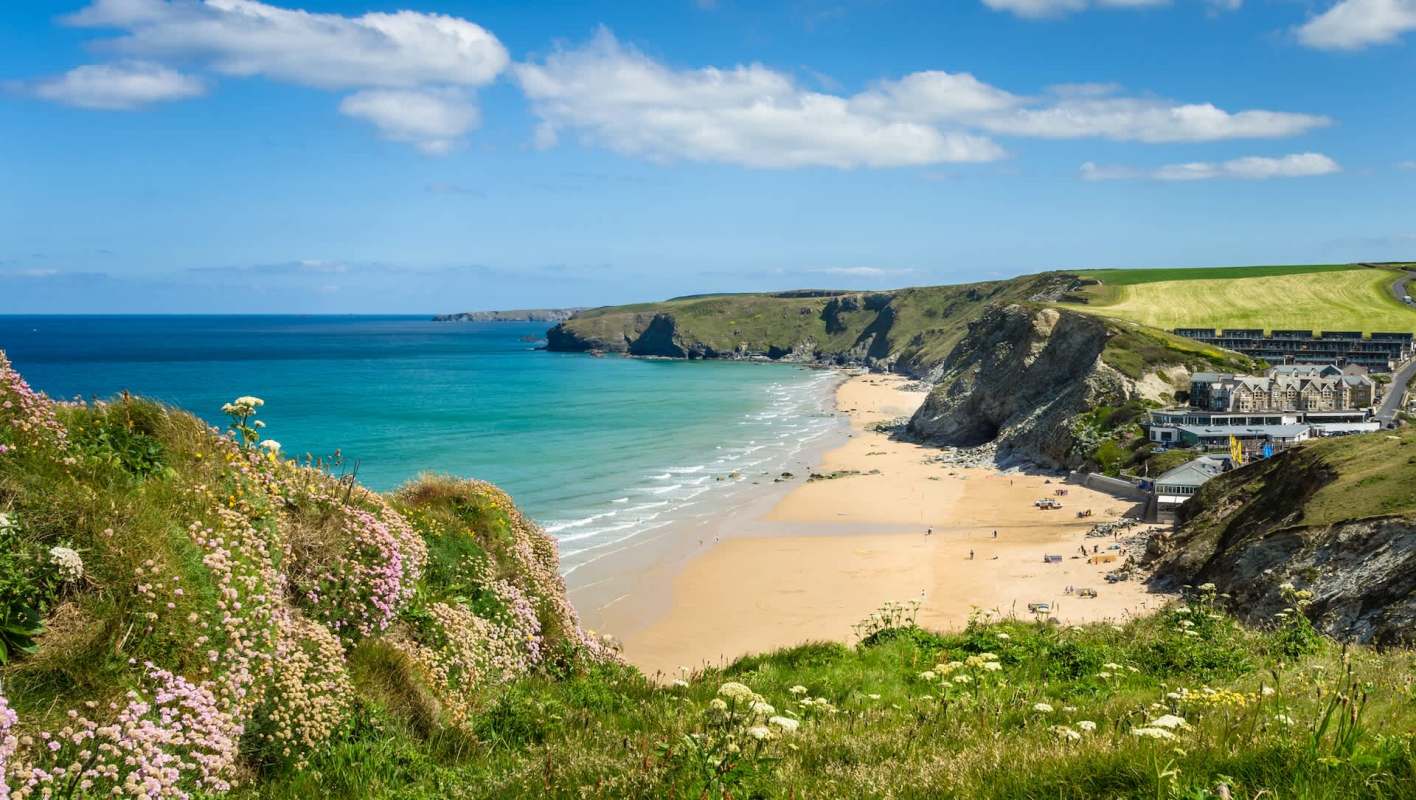
The coast of Cornwall is becoming a fin whale hotspot, at least according to AK Wildlife Cruises, a wildlife cruise company based in Falmouth, which has seen a rise in sightings of these marine mammals.
According to the BBC, the company said that more and more fin whales have been spotted in Cornwall's waters over the past decade, with whales coming earlier and staying longer than ever.
The Seawatch Foundation, a national charity focused on conserving and protecting whales, dolphins, and porpoises in British and Irish waters, tied the increase in fin whales in the area with food availability.
The director of the Seawatch Foundation, professor Peter Evans, told the BBC, "There have been close associations with large shoals of herring."
Considering that scientists have flagged a lack of food as a factor in disrupting whale migrations, the amount of food available here is good news.
The appearance of these whales isn't only occurring in this area, either. Fin whales are also showing up off the east coast of Scotland, in Shetland, and occasionally in the North Sea.
TCD Picks » Quince Spotlight
💡These best-sellers from Quince deliver affordable, sustainable luxury for all




The height of whaling killed a significant number of fin whales, but once the industry declined, these mammals slowly began to return in some areas. However, some countries still allow the killing of fin whales, like Iceland and Japan, despite the fact that the International Union for Conservation of Nature has these whales listed as endangered.
Fin whales are vital to ocean ecosystems, as their massive bodies help move nutrients throughout the water so the nutrients can reach different animal and plant species. These mammals' feces aid in the growth of phytoplankton and marine plants, which produce some of the oxygen we breathe. Fin whales also contribute to plant protection (and oxygen levels) by eating species that feed on marine plants.
This makes the increased sightings of this species even better news and a possible sign of hope for the species. As Peter Evans told the BBC, "It's very pleasing to see. It shows how the species has recovered from overexploitation."
|
Do you think America does a good job of protecting its natural beauty? Click your choice to see results and speak your mind. |
 Definitely 👍
Get TCD's free newsletters for easy tips to save more, waste less, and make smarter choices — and earn up to $5,000 toward clean upgrades in TCD's exclusive Rewards Club.







