


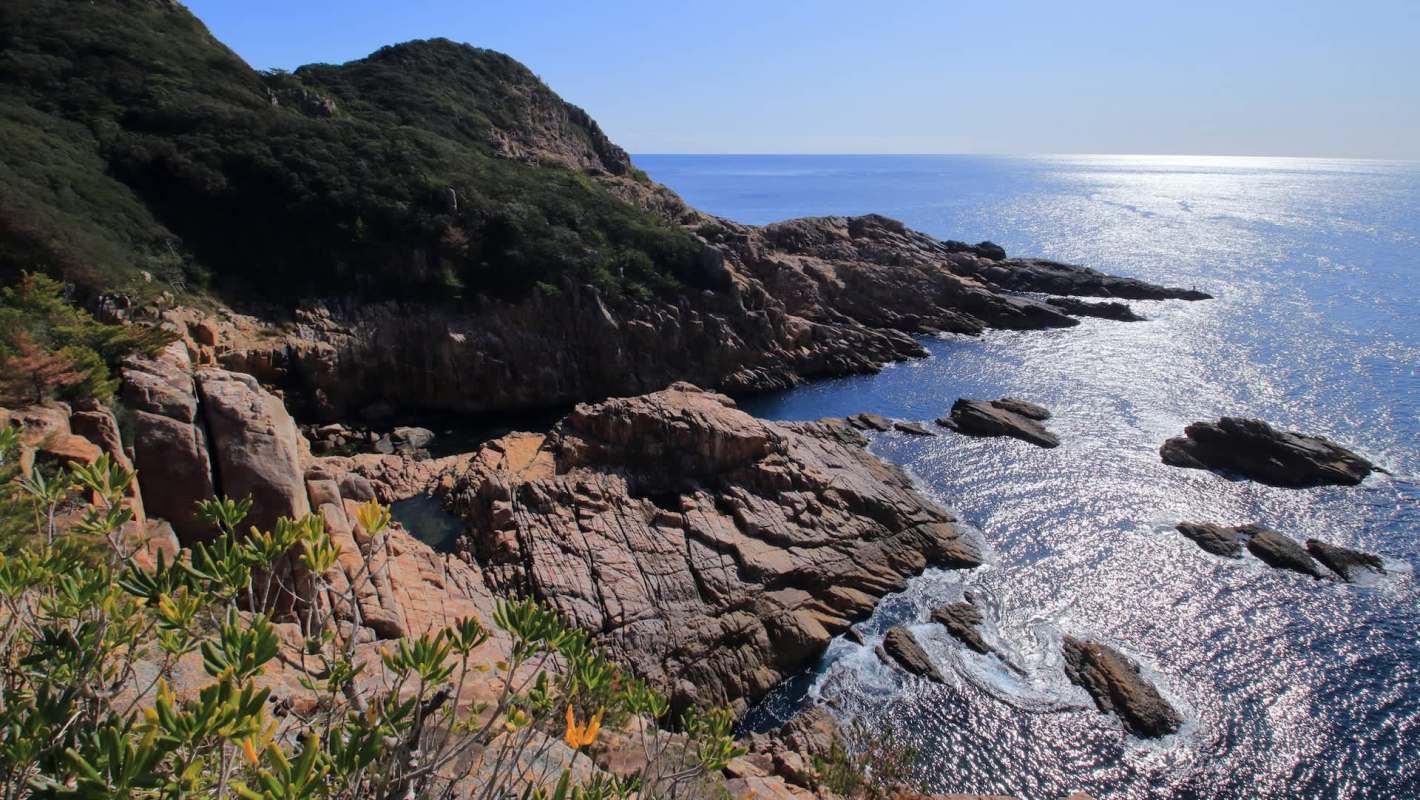
The Kuroshio Current and Kuroshio Extension play a critical role in the North Pacific, transporting warm water north and circulating much-needed nutrients to aquatic life. However, scientists have noticed that the streams have begun to shift — and our overreliance on fossil fuels may be to blame.
What's happening?
The Kuroshio Current typically flows off the coast of Japan. However, the Kuroshio, particularly its extension, has moved as much as 300 miles north in recent years, reported CNN. This has impacted the waters in the surrounding regions, filling them with the warmer tides the Kuroshio brings. One study found that the water in regions previously untouched by the extension rose 6 degrees Celsius (10.8 degrees Fahrenheit) for two years.
When the Kuroshio shifts, so do sea levels. Because of its heat and speed, the current has caused the ocean to rise substantially in some areas and fall in others. Warm waters and changing sea levels have also impacted fish behavior, hurting Japanese fisheries.
"I've been working on the Kuroshio Extension for more than three decades," Bo Qiu, a leading Kuroshio expert at the University of Hawaiʻi at Mānoa, told CNN. "I never expected this."
Why is this important?
"Large meanders," or a significant change in pattern, in the Kuroshio Current are not unusual. However, sustained migration in the extension is suspected to be driven by climate change, according to CNN. This highlights how human activity has far-reaching consequences and why we need to take steps to protect the environment.
Rising sea levels, which are partly caused by human-made pollution, have the potential to exacerbate flooding during extreme weather events. This puts coastal communities at risk, which can be incredibly costly to homeowners.
TCD Picks » Quince Spotlight
💡These best-sellers from Quince deliver affordable, sustainable luxury for all




The Kuroshio Current, in particular, has a massive impact on the Japanese fishing industry. Since the most recent large meander started in 2017, one mackerel fishery in central Japan has reported a significant decrease in catches, according to CNN. This not only impacts the local economy, but also the local food supply. Fish are an important part of Japanese cuisine, and a shortage is difficult to withstand.
What's being done about this?
Individuals can do their part by educating themselves about critical climate issues and making smart lifestyle choices.
For example, installing solar is one way to help the environment and save some money in the long run. Solar can save you money on utility costs and make your home more resilient to extreme weather.
TCD's Solar Explorer can connect you with vetted installers and save you up to $10,000 on solar installations. EnergySage is another free way to connect with local installers and save money on installations.
|
Should we be harnessing the ocean to power our homes? Click your choice to see results and speak your mind. |
 Absolutely 👍
Get TCD's free newsletters for easy tips to save more, waste less, and make smarter choices — and earn up to $5,000 toward clean upgrades in TCD's exclusive Rewards Club.







