


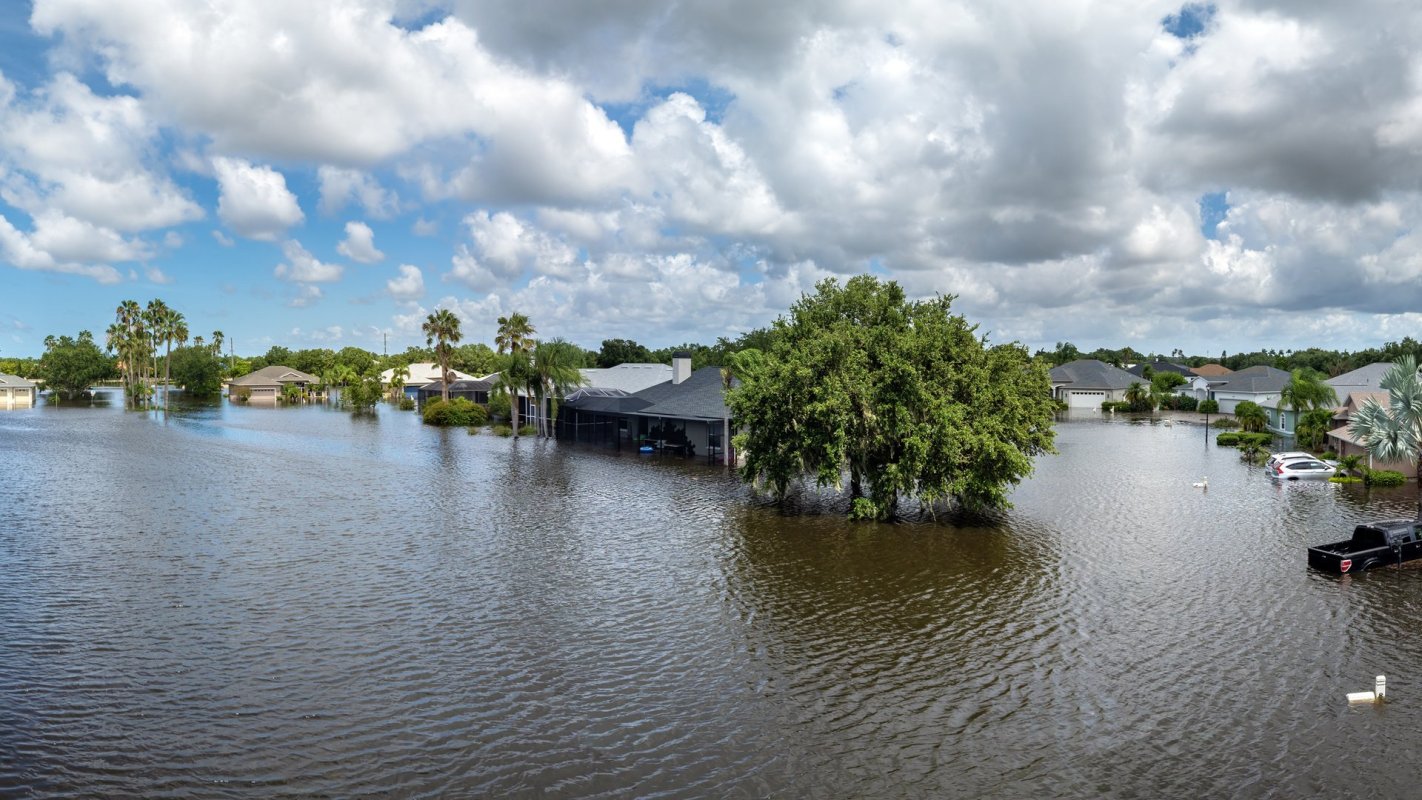
In Bangladesh, thousands of people have fled their homes to move to the nation's capital city because of worsening weather conditions.
However, the mass migration raises serious health, sanitation, and safety concerns.
What's happening?
According to RTÉ, Bangladesh is among the areas most affected by unpredictable and extreme weather events. From flooding to rising sea levels and erosion, hundreds of thousands of residents have had to leave their homes.
These conditions are becoming more intense and dangerous due to rising global temperatures, exacerbated by human-produced heat-trapping pollution. An average of 700,000 Bangladeshis seek a better life in Dhaka each year.
However, the report said that the city is now highly congested, with over 36 million people crammed into a relatively small area.
They're not the only ones. For instance, one report estimated that children worldwide were driven from their homes 41 million times due to adverse weather events. In America, research shows that at least 7 million people have moved away from flood-prone areas.
TCD Picks » Quince Spotlight
💡These best-sellers from Quince deliver affordable, sustainable luxury for all




Why is mass displacement concerning?
Experts are concerned about the potential adverse effects of the city's growing population, as RTÉ reported. Many migrants struggle to find jobs and end up living in poor conditions, lacking clean water, sanitation, and education.
For example, a fire swept through a crowded neighborhood in November, leaving thousands of people without homes.
One resident, Minu Begum, lost her house. "Everything in my home is totally gone — all the furniture, all the stuff," she said, per RTÉ. "I couldn't even save one dress for my kid."
Additionally, the outlet reported that overcrowding raises fire risks, strains resources, and leads to poor air quality. Given that about two-thirds of Bangladesh lies only 15 feet above sea level, rising seas could also cause the country to lose about 11% of its land by 2050, according to The Climate Reality Project.
|
Do you think America has a plastic waste problem? Click your choice to see results and speak your mind. |
 Definitely 👍
 Unfortunately, experts suggest that by 2050, one in every seven Bangladeshis will be displaced due to rising sea levels and adverse weather. With the situation in Dhaka already so dire, RTÉ said questions remain about the future of space and resource availability.
What can we do to help those affected by adverse weather?
Although we can't physically stop rising sea levels and worsening weather, there are plenty of ways to mitigate their impact. The Bangladeshi government and local organizations have proposed several potential solutions.
For example, the Migration Policy Institute explained that the government is funding the construction of sturdier infrastructure, which also creates new jobs. Additionally, officials are trying to divert migration away from Dhaka, encouraging people to move to other cities.
Meanwhile, the United Nations Development Programme, in collaboration with local government, created the Local Adaptation Plan of Action. This program helps individual communities understand their unique risks and plan accordingly.
Even from far away, lifestyle changes can make a difference. Reducing our personal polluting impact — by ditching gas-guzzling cars in favor of electric ones or installing solar panels, for example — can reduce the release of heat-trapping fumes that exacerbate rising global temperatures and devastating extreme weather conditions.

Get TCD's free newsletters for easy tips to save more, waste less, and make smarter choices — and earn up to $5,000 toward clean upgrades in TCD's exclusive Rewards Club.







