


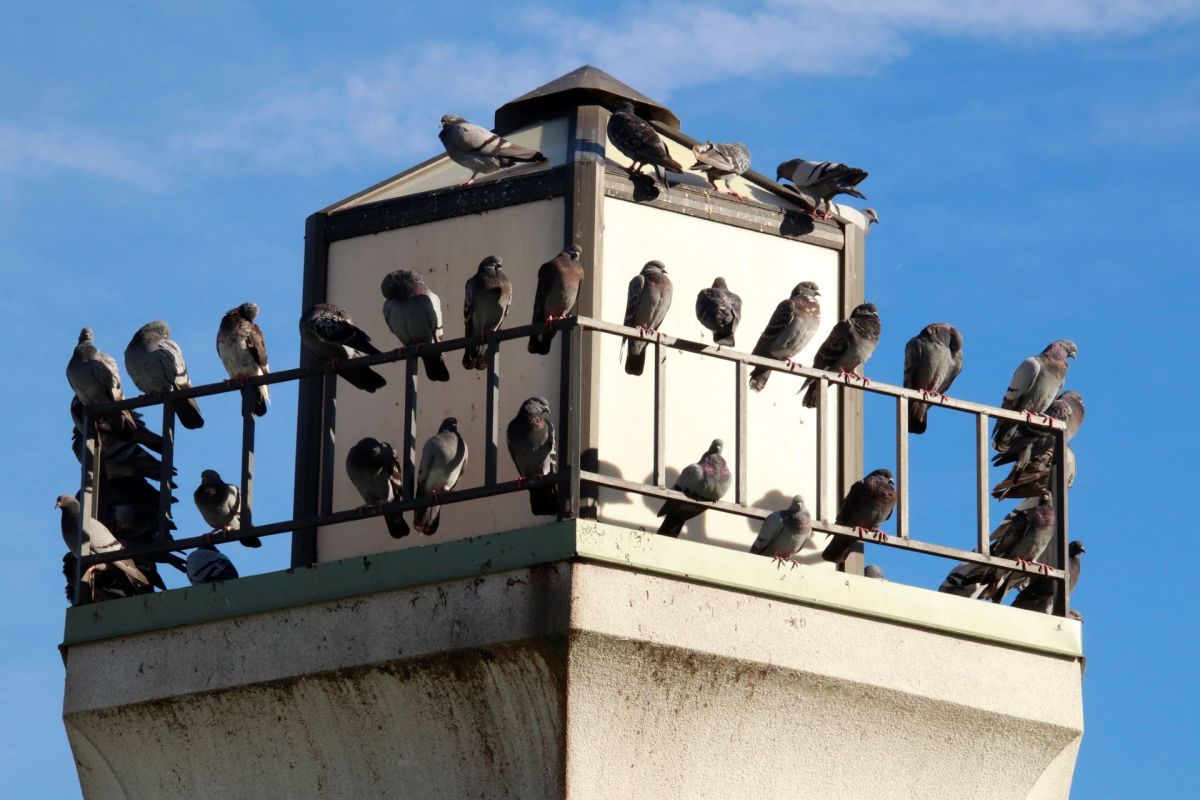
A new Nature study examining thousands of bird species across more than a thousand sites worldwide reveals a troubling pattern: As human activity reshapes landscapes, the stability of bird communities erodes.
The research shows that even in places where birds still appear abundant, their ability to keep ecosystems functioning is quietly weakening. One of the study's authors, University of Cambridge professor David Edwards, put it plainly: "It's time that more is done."
What's happening?
The study examined 3,696 bird species across 1,281 sites, ranging from pristine forests to farmland and cities.
Researchers found that as natural habitats are replaced or heavily modified for people, the number of species able to perform the same ecological jobs, such as dispersing seeds or controlling insect populations, drops sharply.
This loss of "backup" species makes bird communities less resilient.
In a natural habitat, several species may share similar roles, so if one disappears, the system still functions, but in a human-altered landscape, that buffer erodes.
TCD Picks » Quince Spotlight
💡These best-sellers from Quince deliver affordable, sustainable luxury for all




The study's authors warn that even small additional losses could cause major functional declines.
Why is this concerning?
While this might sound abstract, the consequences hit close to home.
Seed-dispersing birds help forests recover after extreme weather, an increasingly important service for communities facing stronger storms and rising temperatures. Insect-eating birds help keep pests in check, supporting farms and reducing reliance on chemical sprays.
As the study shows, human-driven land-use change makes these benefits more precarious. With fewer species able to step in if one is lost, communities may face greater risks: slower forest recovery, more crop damage, and less natural protection from environmental stressors.
|
Do you think humans are doing enough to protect endangered animals? Click your choice to see results and speak your mind. |
 Definitely 👍
 All of this can delay progress toward a cleaner, safer future by weakening the natural systems people rely on for stability, food security, and climate resilience.
What's being done about it?
Researchers highlight the importance of protecting remaining natural habitats and restoring those already degraded.
Community-level conservation groups, sustainable farming practices, and thoughtful land-use planning can all help rebuild the variety of ecological roles birds provide.
Expanding green spaces, supporting habitat corridors, and backing policies that limit excessive land conversion are practical steps that strengthen both ecosystems and the human communities connected to them.
Protecting bird communities isn't just good for nature, it's also an investment in safer, more resilient futures for people everywhere.

Get TCD's free newsletters for easy tips to save more, waste less, and make smarter choices — and earn up to $5,000 toward clean upgrades in TCD's exclusive Rewards Club.







