


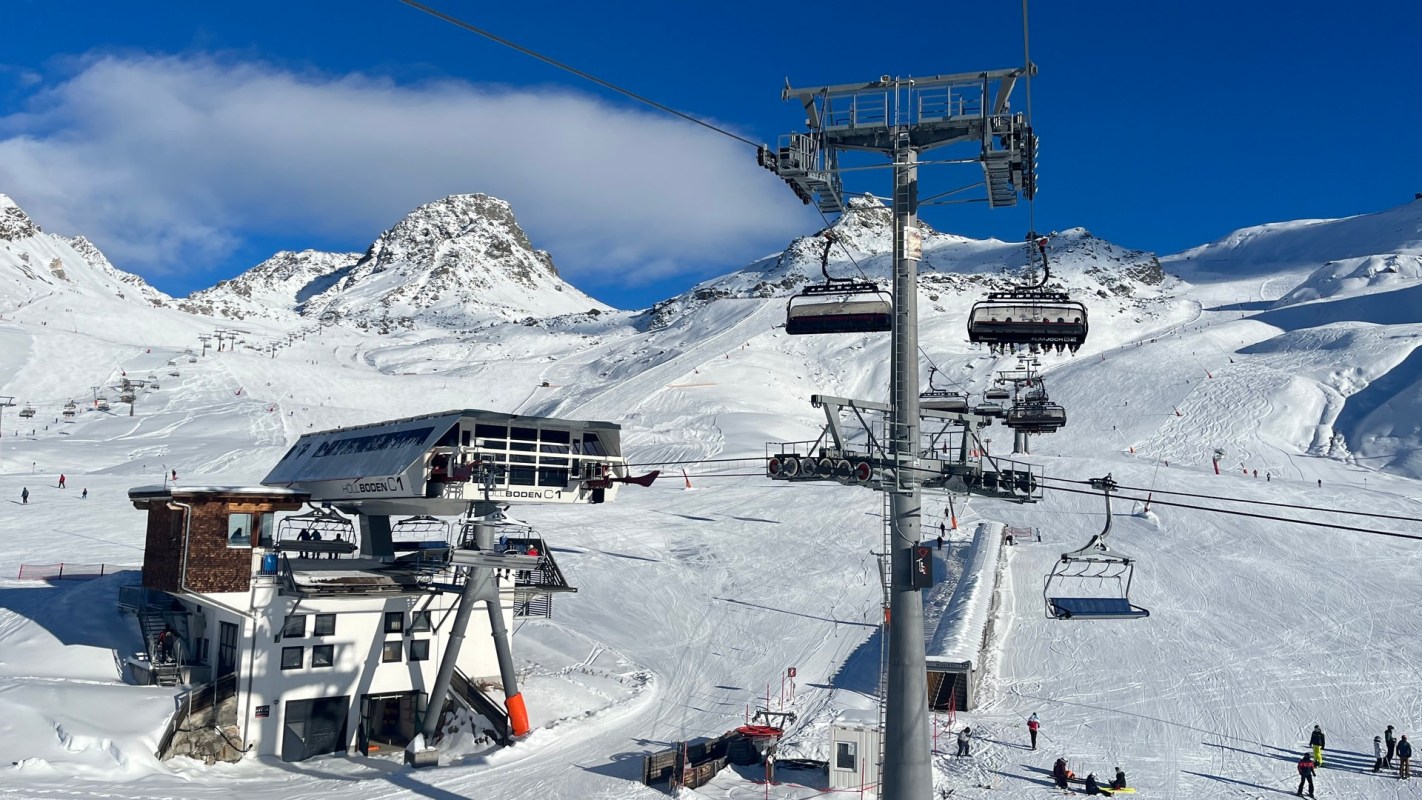
Without a series of snowmaking machines, there might be no powder at Powder Ridge Mountain Park and Resort in Connecticut.
What's happening?
As the Hartford Courant reported, the popular tourist destination has resorted to making its own snow as warming winter temperatures lead to reduced snowfall levels in New England.
The northeastern U.S. is getting less snow than it used to. While there will always be some years that are snowier than others, New England has seen a reduction in snowpack in recent years as rising temperatures cause precipitation to fall as rain rather than snow, WBUR reported.
Ski areas are coping by using huge machines that convert water into snow. These snowmakers consume a lot of water and energy, though the Hartford Courant noted that the machines are becoming more efficient.
Even with snowmakers, ski areas need cold weather to ensure the powder sticks. As soon as temperatures dipped into the low 20s and teens in December, Connecticut ski resorts got to work churning out snow.
"The biggest way we've adapted is put a lot of infrastructure in place so we can make sure when we have the ideal conditions, we can make as much snow as possible," Ulla Jacobs, the marketing director at Ski Sundown, another Connecticut ski area, told the Courant.
TCD Picks » Quince Spotlight
💡These best-sellers from Quince deliver affordable, sustainable luxury for all




Why is declining snowfall concerning?
Even with snowmakers, the winter recreation industry suffers from warming temperatures. Sean Hayes, Powder Ridge's president and CEO, told the Courant that people are less inclined to go skiing when there is no snow in their own back yards.
Some ski resorts have been forced to close permanently due to a lack of snow, while others continue to churn out artificial snow in hopes that skiers will still flock to the slopes.
As Gregory Wellenius, director of Boston University's School of Public Health Center for Climate and Health, told BU Today, these negative economic impacts can reverberate throughout communities, harming people's overall well-being.
"There are also health consequences," he said. "People don't have money, they don't buy the same food. Maybe they drink more. Maybe there's more domestic violence. And you've got to think the economic stress leads to mental health consequences."
|
Do you think America does a good job of protecting its natural beauty? Click your choice to see results and speak your mind. |
 Definitely 👍
 What's being done about the lack of snowfall?
One research study suggested that ski areas adapt by moving to higher elevations, which are colder on average and less likely to go without snow.
However, the only way to truly safeguard winter recreation is to curb pollution related to burning fuels like coal, gas, and oil.
Swapping a gas-guzzling car for an electric vehicle and investing in domestic solar panels, for example, can not only reduce your personal polluting impact but can also save you money in the long term. When it comes to the latter, TCD's Solar Explorer can help you get started.
Broad societal shifts toward greener energy, along with individual, community-based efforts to safeguard our planet, can help ensure that emissions trend in the right direction so our mountains can stay snowy year after year.

Get TCD's free newsletters for easy tips to save more, waste less, and make smarter choices — and earn up to $5,000 toward clean upgrades in TCD's exclusive Rewards Club.






