


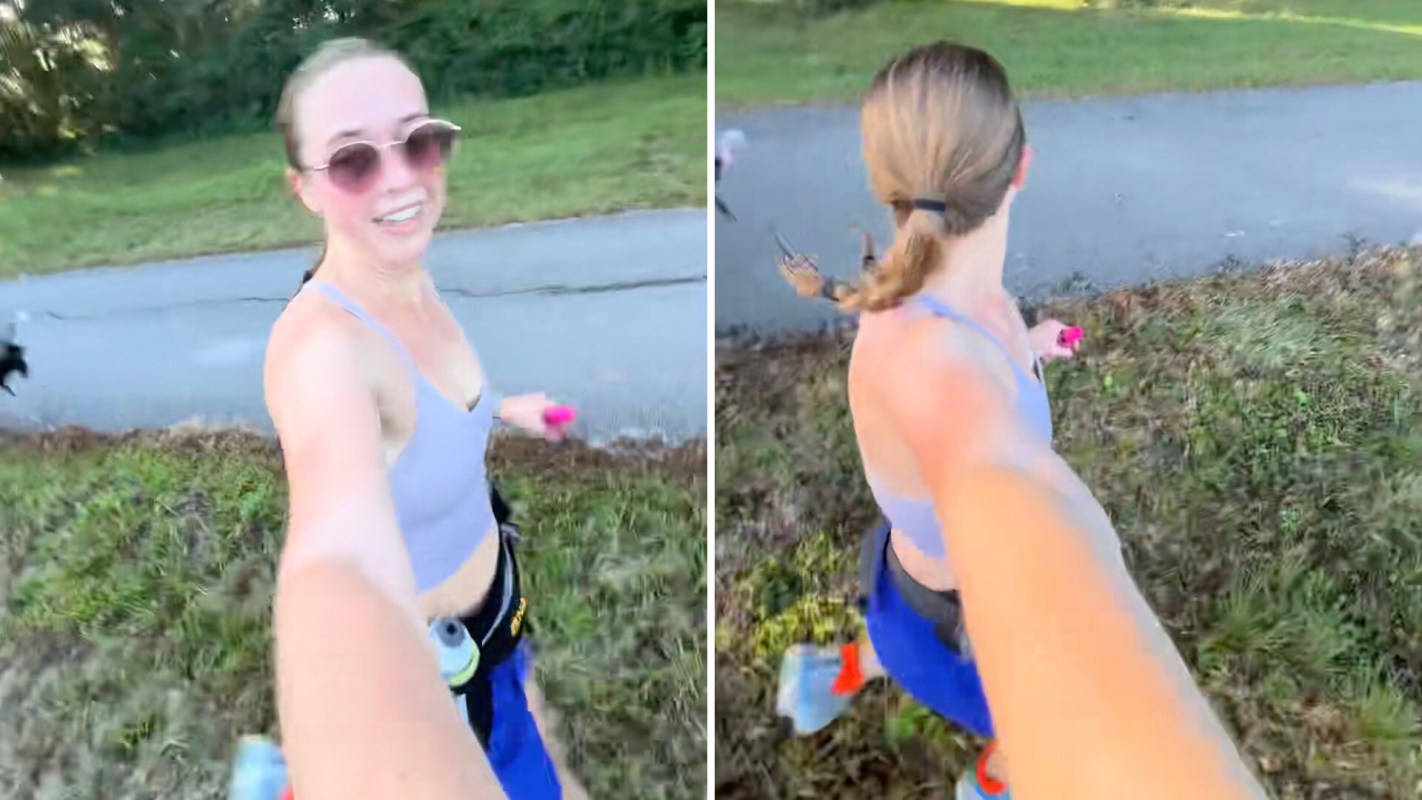
One runner was in for quite the surprise during a trek when multiple turkeys began chasing after her. Unfortunately, experts have long warned about the increase in human-animal conflicts, with causes ranging from droughts to shrinking habitats and poor human behavior.
What's happening?
In the short clip that racked up over 1 million views on TikTok, Caro (@proudsubaruowner0) can be seen holding the camera as at least two turkeys follow her. She continues glancing behind her as she moves, noticing that the birds are still there.
@proudsubaruowner0 always be vigilant of your surroundings. #marathontraining #scared #help #longrun #nature ♬ Very scary chase theme - Robux
In the caption, Caro reminded others to "always be vigilant of your surroundings."
Although everything seemed to work out in the end, several people in Caro's comment section shared their opinions about the encounter. One wrote: "And ur smiling??? girl i'd be sprinting."
Another person joked, "They're motivating you! Consider them your new trainers."
Even though the runner was OK, it's important to remember that unexpected wildlife behavior like this can be dangerous if it catches you off guard.
TCD Picks » Good Store Spotlight
Get 10% off your next purchase with code TCD10




Why does this encounter matter?
According to the National Audubon Society, overhunting and habitat loss caused wild turkey populations to dwindle significantly. Luckily, since the 1970s, conservation efforts have helped restore the turkey population.
However, since turkeys have adapted to living in proximity to humans, we face an increased risk of aggressive encounters. The World Wildlife Fund explained that human-animal conflicts can impact entire communities, causing financial losses, health and safety threats, property damage, and food or job insecurity.
Humans may, in part, be responsible for the increase in these conflicts. The International Fund for Animal Welfare stated that human-wildlife conflict is often a result of habitat loss due to expanding human populations. The IFAW added that these animals also face issues with the resources they need to survive, whether due to loss or competition with humans.
What's being done to prevent human-wildlife conflict?
Learning to coexist with wild animals is one of the best ways to prevent and reduce conflict. Luckily, there are some easy ways to stay safe at home, while running, or when enjoying a public park.
TCD Picks » Quince Spotlight
💡These best-sellers from Quince deliver affordable, sustainable luxury for all




|
Do you think America does a good job of protecting its natural beauty? Click your choice to see results and speak your mind. |
 Definitely 👍
 For example, if you come across wild turkeys, the Audubon Society recommends giving them a wide berth. Additionally, if they become aggressive, avoid running or backing away. Instead, raise your hands, make loud noises, and show them you won't back down.
In nature parks, the National Park Service says you should always read the wildlife-viewing guidelines, such as distance or food-storage requirements. Remember that even from a distance or if you're in a vehicle, touching, teasing, or feeding an animal can be dangerous.
Finally, preserving or restoring animals' wild habitats is another easy way to reduce conflicts with them. You can get involved by supporting organizations that protect wildlife, plant native species, and educate the public, per Mass Audubon.

Get TCD's free newsletters for easy tips to save more, waste less, and make smarter choices — and earn up to $5,000 toward clean upgrades in TCD's exclusive Rewards Club.







