


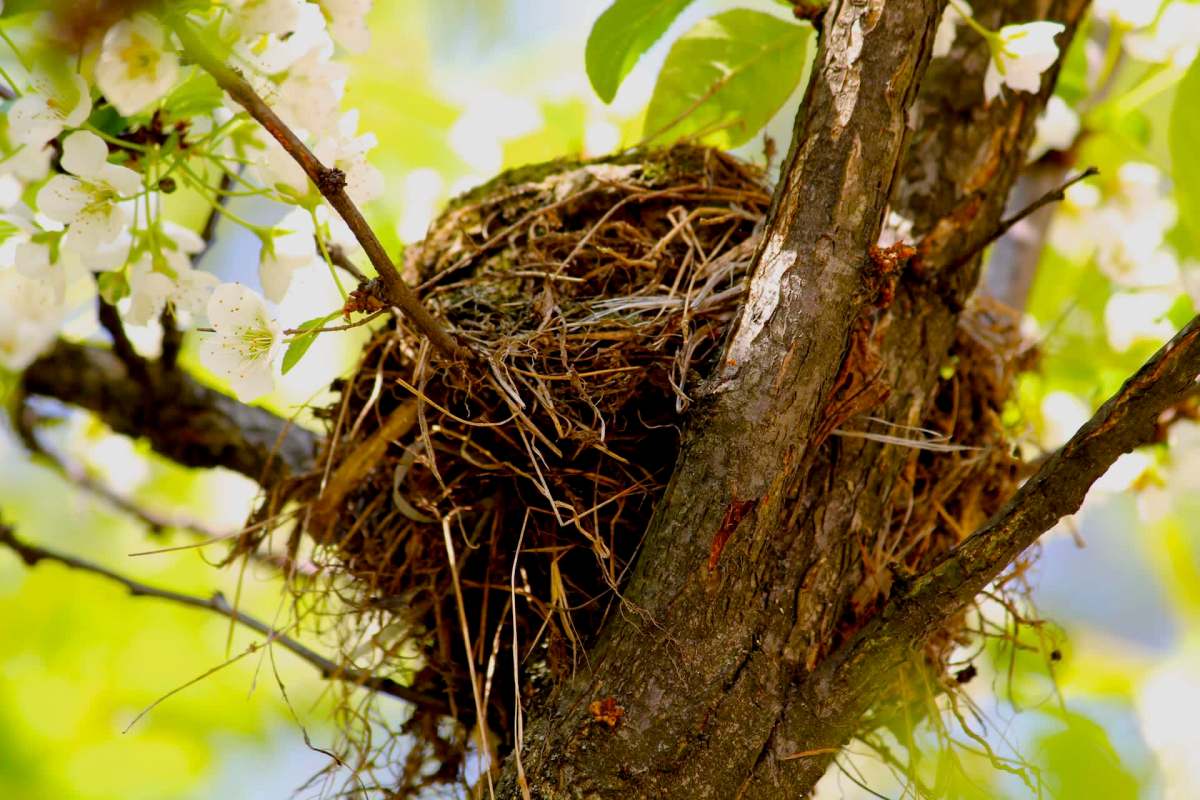
Tiny 5-millimeter-wide microplastics have been found in the nests and bodies of birds that are living in people's backyards, according to Audubon. Scientists said the discovery was "eye-opening to see" because it implies that plastic exposure to microplastics is widespread.
What's happening?
According to Audubon, microplastics reach birds through multiple pathways, such as water sources, and are believed to enter birds' bodies when they eat insects or other food sources that have already ingested plastic pollution themselves. Per Audubon, researchers examined bird species that rely on ordinary suburban and urban environments. The findings point to plastic moving through food chains in everyday settings as well as oceans and industrial sites.
Why are microplastics in birds concerning?
Researchers say ingesting microplastics can interfere with the birds' digestion and cause negative health impacts, though the long-term impacts are still being studied, according to Audubon. Even small disruptions in bird and other wildlife behavior or health play a critical role in how the ecosystem operates, including natural pest control and seed spreading. Birds living near people are already facing pressures of habitat loss and other environmental stressors that affect their survival. Adding plastic contamination damages ecosystem resilience.
For example, scientists have found that wild birds living close to humans carry a wider range of antibiotic-resistant bacteria. The findings are a concern because it means human activity is influencing disease risk and, in turn, ecosystem health. Plus, migration timing, feeding behavior, and nesting patterns are changing in North American birds as global temperatures are changing.
What's being done about microplastics?
Scientists and conservation groups say reducing plastic pollution at its source is one of the most effective ways to limit microplastics in wildlife.
According to WWF, plastic items like straws can take up to 200 years to break down, meaning making small changes like using less plastic or reusing plastic that you already own can reduce the particles that make their way into soil, wildlife, and human bodies. In addition to using less plastic, supporting policies or initiatives that reduce plastic production can help slow the flow of microplastics moving through food chains.
TCD Picks » Quince Spotlight
💡These best-sellers from Quince deliver affordable, sustainable luxury for all




|
How do you feel about microplastics being inside our bodies? Click your choice to see results and speak your mind. |
 I want them out now 🚫
Get TCD's free newsletters for easy tips to save more, waste less, and make smarter choices — and earn up to $5,000 toward clean upgrades in TCD's exclusive Rewards Club.







