


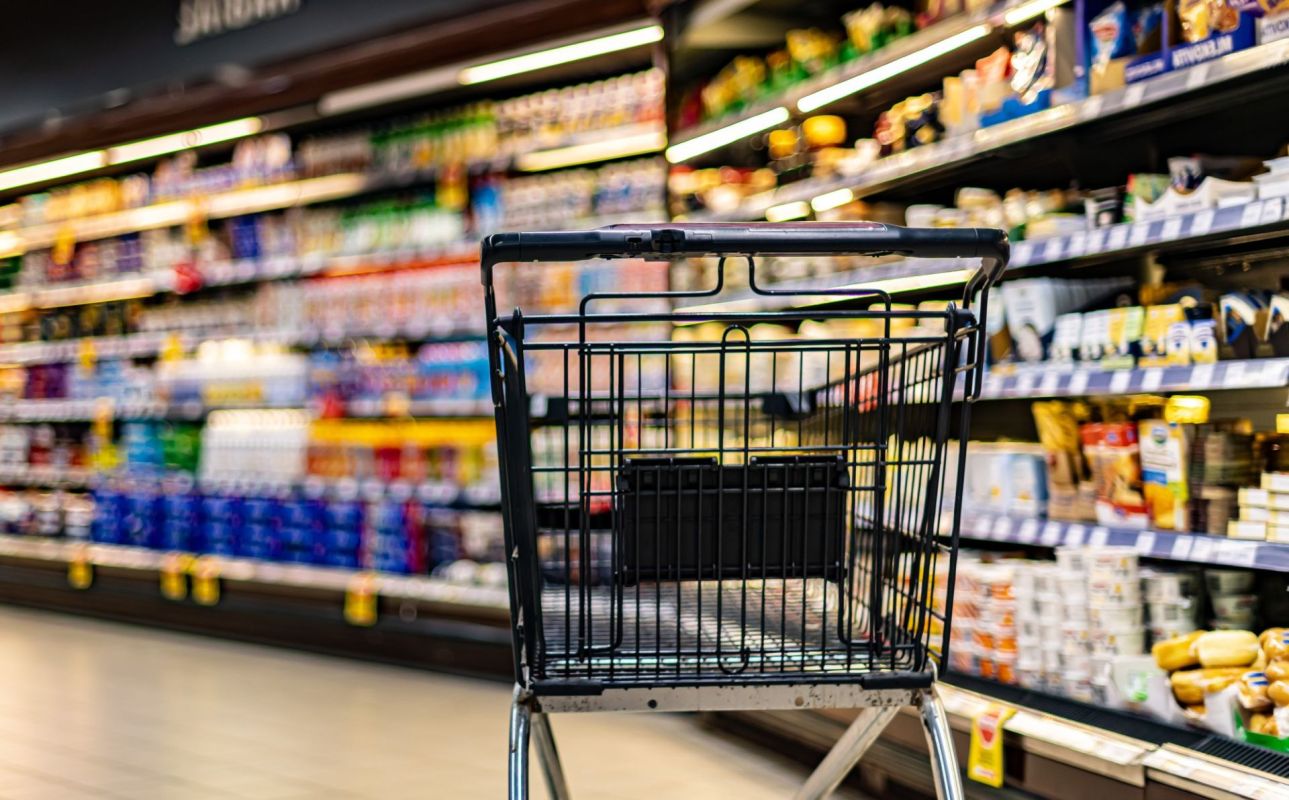
Grocery costs are continuing to rise across the U.S., putting a strain on shoppers from coast to coast. ConsumerAffairs recently released data revealing the most burdened states, where people are spending over 12% of their income on food.
What's happening?
"Amid inflation, tariffs and supply-side disruptions, consumers are feeling the strain as grocery prices rise — and even skyrocket on occasion (e.g., eggs)," ConsumerAffairs says.
According to the data, Louisiana is the most cost-burdened by grocery prices, with residents spending 13.6% of their income on groceries. Other states at the top of the list include Arkansas, Mississippi, Idaho, and New Mexico. While these states don't necessarily have the highest grocery prices overall, their high cost burdens stem from a combination of high prices and lower median household incomes.
Why are rising grocery costs concerning?
According to ConsumerAffairs, which cited Bureau of Labor Statistics data, food prices across the country went up by 3.1% from September 2024 to September 2025.
TCD Picks » Martie
💡Martie makes it easy to find quality food at massive discounts while helping to fight food waste





One of the major factors behind rising grocery costs is the overheating of our planet, which is putting a strain on farmers worldwide by causing more volatile weather, from record-breaking heat and droughts to devastating floods.
For instance, the cost of chocolate has skyrocketed as cocoa farmers struggle with difficult growing conditions, including heavy rainfall and droughts. This has caused some candy makers to change their formulas, reduce portion sizes, or increase sticker prices. For instance, the makers of the U.K.'s popular Penguin bars are swapping out chocolate for other ingredients to cut costs.
And though the cost of groceries continues to go up, the U.S. also continues to produce enormous amounts of food waste. According to the Department of Agriculture, this waste accounts for 30-40% of the food supply. When food ends up in the landfill instead of feeding people, it not only wastes money, but it also releases large amounts of methane, a potent planet-heating gas.
What's being done about rising grocery costs?
Although rising grocery costs can be overwhelming, you can fight back by shopping smarter by packing a list, or relying on services that resell food items that may have otherwise ended up in landfills. Martie is one such service that offers highly discounted groceries and essentials by taking other brands' overstock and surplus and selling them to consumers at up to 80% off. Martie's selection includes well-known brands like Annie's, Crunchmaster, and Progresso.
Save $10,000 on solar panels without even sharing your phone number Want to go solar but not sure who to trust? EnergySage has your back with free and transparent quotes from fully vetted providers in your area. To get started, just answer a few questions about your home — no phone number required. Within a day or two, EnergySage will email you the best options for your needs, and their expert advisers can help you compare quotes and pick a winner. Solar panels can save you more than $50k over their 25-year lifespan, and EnergySage can help you save as much as $10k on installation. Which begs the question — isn't that worth an email or two? |

Meanwhile, growing your own food and relying more on plant-based options can also save you money at the grocery store while reducing your impact on the planet.
|
Should plastic grocery bags be banned nationwide? Click your choice to see results and speak your mind. |
 Absolutely 👍
Get TCD's free newsletters for easy tips to save more, waste less, and make smarter choices — and earn up to $5,000 toward clean upgrades in TCD's exclusive Rewards Club.







