


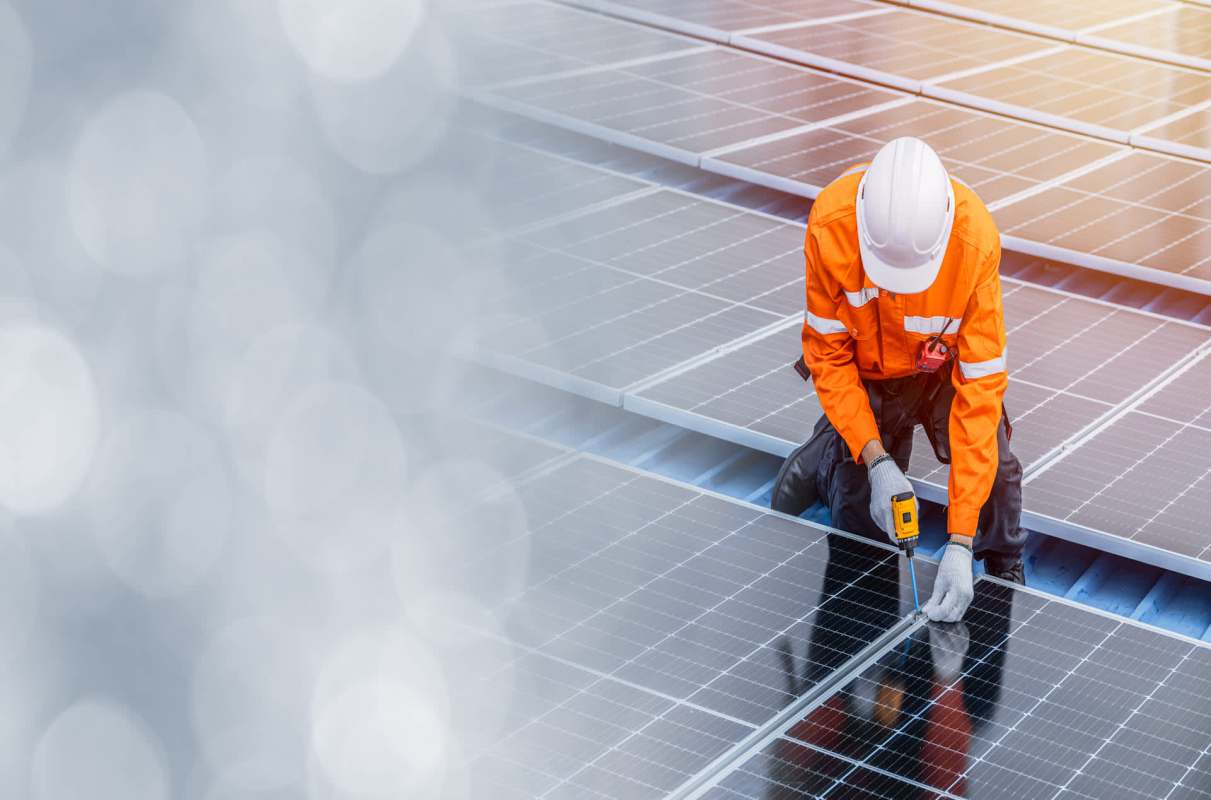
For a long time, rooftop solar capacity in the United States has been rising meteorically — especially in California. Between 2015 and 2023, California's small-scale solar capacity increased sixfold, the New Lede reported.
But in the last two years, there has been a significant downturn, with rooftop solar installation dropping off dramatically, and changes in solar energy policies seem set to compound the problem.
On the surface, it might be difficult to see why solar installation would drop off this way. Switching to rooftop solar panels is a way to instantly slash your power bill without hurting the environment — in fact, it's good for it.
If you want to make the change yourself, exploring TCD's Solar Explorer will lead to resources like EnergySage's free tools, which can help you get quick estimates from installers in your area and easily compare quotes between them.
Nevertheless, in 2024, 42 of the 50 states saw fewer solar installations last year than the year before, and there was an overall 39% decrease in capacity. That trend has continued into 2025, and with the Trump administration's determination to cut solar incentives, it is only getting harder for individual homeowners to install their own solar panels.
"It's not looking good. I don't know how long I'll take for it to recover," said Grace Wu, an assistant professor in the environmental studies program at the University of California, Santa Barbara, according to the New Lede.
There is some hope in the form of utility-scale solar, which has continued to increase America's total solar capacity. While that does also lower utility rates and reduce pollution, it does not put power into the hands of individuals the same way as rooftop solar.
Opponents of rooftop solar are celebrating this trend, saying that rooftop solar costs non-solar users $8.5 billion per year in grid expenses. However, rooftop supporters say that this figure deliberately leaves out all of the benefits of rooftop solar, and that once you factor those in, non-rooftop solar owners actually profit by $1.5 billion. Meanwhile, the environment is that much better off due to the use of clean energy.
Save $10,000 on solar panels without even sharing your phone number Want to go solar but not sure who to trust? EnergySage has your back with free and transparent quotes from fully vetted providers that can help you save as much as $10k on installation. To get started, just answer a few questions about your home — no phone number required. Within a day or two, EnergySage will email you the best local options for your needs, and their expert advisers can help you compare quotes and pick a winner. |

If you're ready to make the switch, EnergySage's free services can make an incredible difference to your solar installation experience. Not only does this organization make it easy to find vetted installers near you, without the risk of pushy sales tactics, but its help allows the average homeowner to save up to $10,000 on their solar purchase and installation.
You can get detailed numbers for your state using its convenient mapping tool. Make sure to take advantage of these incentives sooner rather than later; the federal program that awards a 30% tax credit for solar installation is expiring at the end of 2025.
To shrink your energy bill even more, you can pair solar panels with energy-efficient appliances, such as an electric heat pump. To choose the right one for your home and budget without difficulty, check out TCD's HVAC Explorer and save up to 50% on heating and cooling.
|
If you don't have solar panels on your home, which of these factors is the biggest barrier to installing them? Click your choice to see results and speak your mind. |
 Upfront costs 💰
Get TCD's free newsletters for easy tips to save more, waste less, and make smarter choices — and earn up to $5,000 toward clean upgrades in TCD's exclusive Rewards Club.
More From EnergySage
💡Go deep on the latest news and trends shaping the residential solar landscape










