


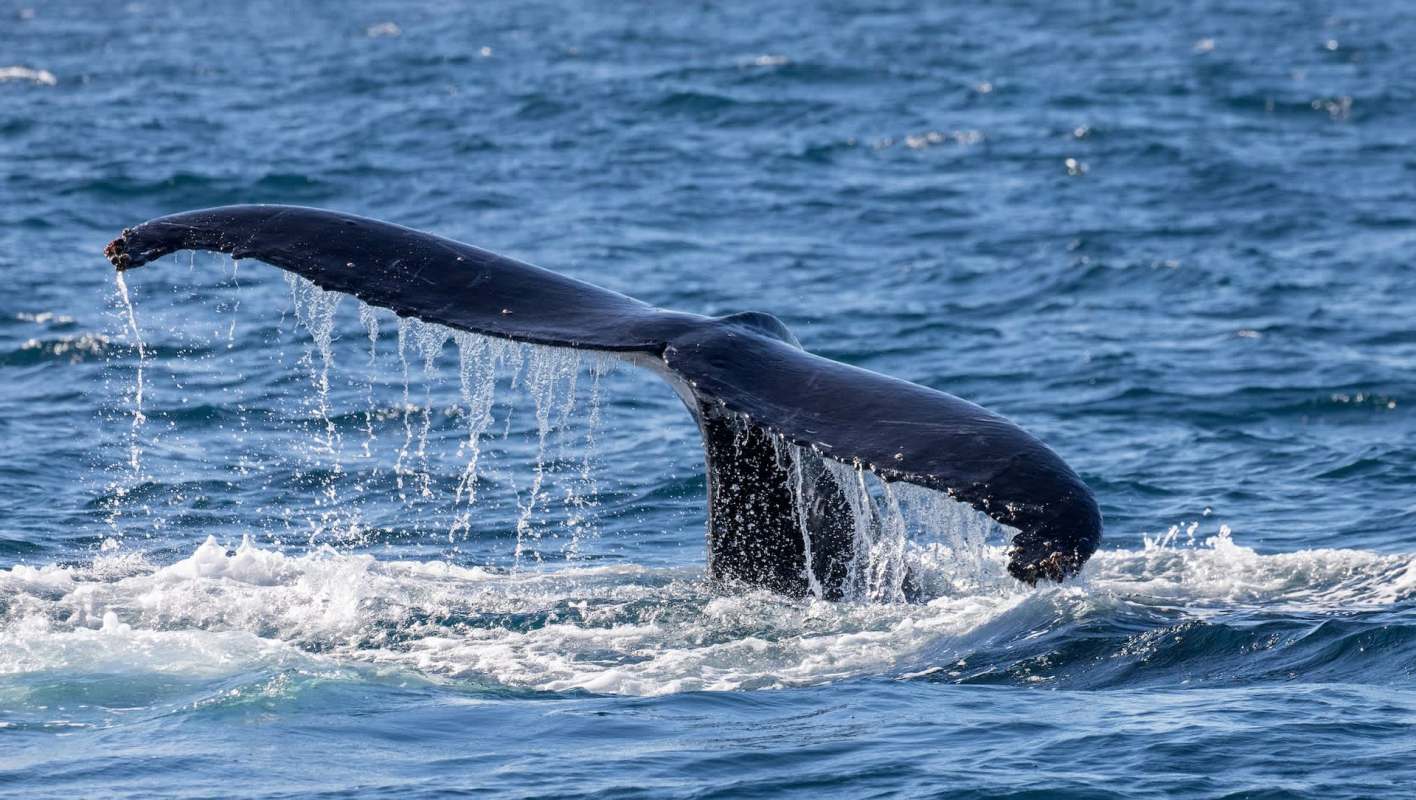
The latest report from the National Oceanic and Atmospheric Administration found that whale entanglements in U.S. waters increased significantly, particularly along the California coast, CBS News reported.
What's happening?
According to NOAA's National Report, there were 95 confirmed large whale entanglements in 2024, up from 64 cases in 2023.
87 cases involved live animals, three of which later died. 71% of these live entanglements were documented off the coasts of California, Massachusetts, Alaska, and Hawaiʻi, with California accounting for 25%.
The report also identified the primary sources of these entanglements: 48% were directly linked to commercial or recreational fishing equipment. Humpback whales were most affected.
"These findings underscore an urgent need for coordinated action," said Kathi George, the Director of Cetacean Conservation Biology at The Marine Mammal Center.
Some whales manage to shed tangled gear, but many remain trapped for days or years, per NOAA Fisheries.
TCD Picks » Quince Spotlight
💡These best-sellers from Quince deliver affordable, sustainable luxury for all




Entanglements limit their ability to swim, feed, and breathe. They can cause severe injuries that lead to drowning, infection, amputation of tails or flippers, starvation, or death. These cases highlight the growing risk that human activity poses to marine animals like whales.
The International Whaling Commission estimates that bycatch and entanglements kill more than 300,000 whales and dolphins each year, raising serious concerns about conservation and the welfare of these species.
Whales are also vulnerable to vessel strikes, ocean noise, plastic pollution, and rising global temperatures, factors that affect whale populations and alter not only their distribution but also their behavior.
Why are whale entanglements concerning?
Whale entanglements threaten coastal communities that rely on healthy marine life for tourism, fishing access, and economic sustenance.
Their decline disrupts ocean food webs. Whale waste supports phytoplankton growth, which feeds many marine species, according to the Animal Welfare Institute.
Moreover, whale dives transport nutrients through the water column, supporting ocean life, and when they die, their bodies deposit carbon in the deep ocean for long-term storage.
Shrinking whale populations can weaken ocean systems that help regulate carbon and support fisheries, inhibiting efforts to build a cleaner, more resilient future.
What's being done about whale entanglements?
The Marine Mammal Health and Stranding Response Program is working with the U.S. Large Whale Entanglement Response Network to track cases, coordinate trained responders, and improve documentation to help inform management measures and curb entanglement threats.
Fishermen are also looking into alternatives, such as ropeless fishing gear that uses a device similar to a pop-up balloon.
NOAA Fisheries advised the public to refrain from attempting to disentangle whales and to contact professional responders instead, to mitigate risk to humans and whales alike.
People can play an important role by reporting entanglements to state or 24-hour regional stranding hotlines and supporting local response efforts.

Get TCD's free newsletters for easy tips to save more, waste less, and make smarter choices — and earn up to $5,000 toward clean upgrades in TCD's exclusive Rewards Club.







