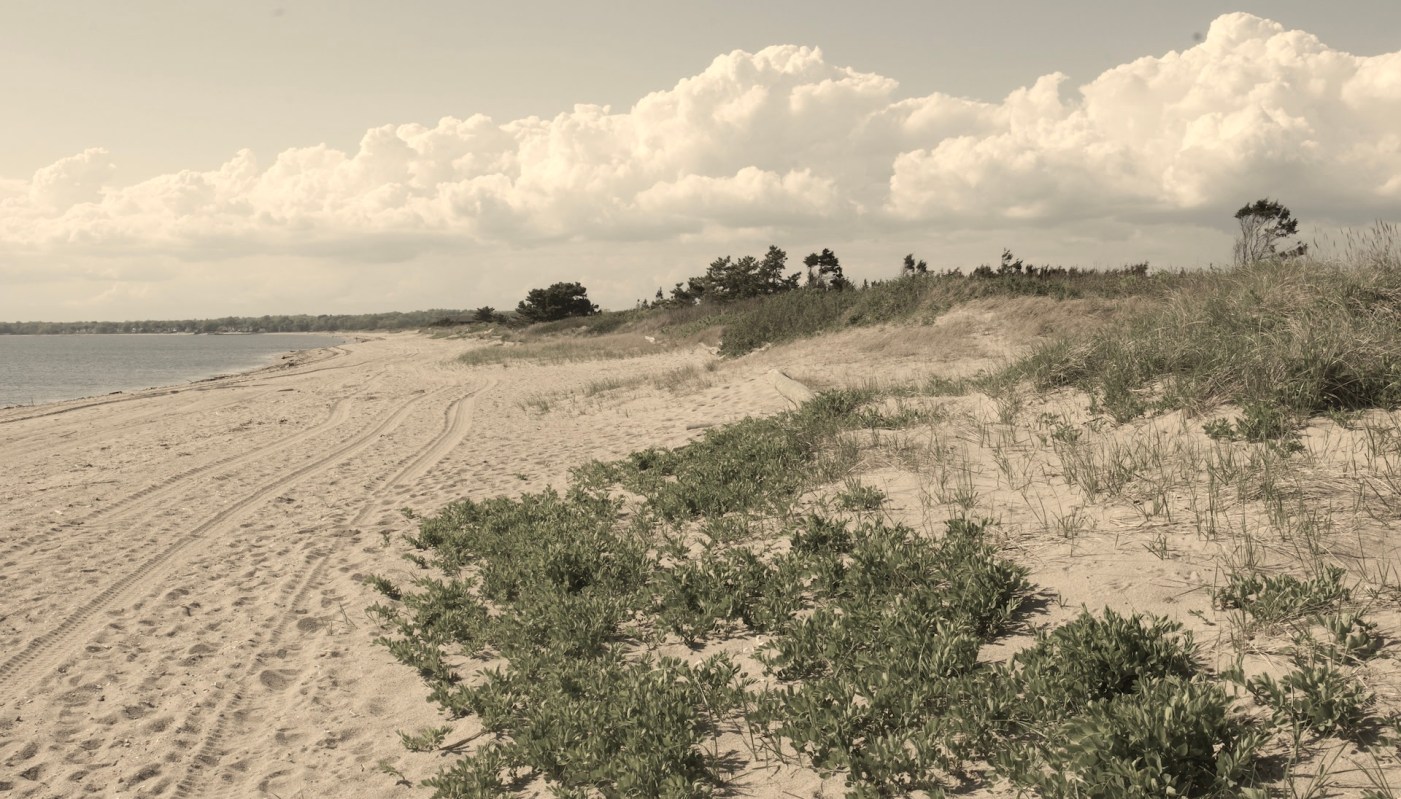
Hammonasset Beach State Park, Connecticut's largest shoreline park, is enduring rising sea levels, its salt marshes, trails, and campsites eroding amid intensifying storms.
What's happening?
Sea levels in Connecticut could rise another 1.8 feet by 2050, reshaping the park, according to the Connecticut Post.
Within lies a series of salt marshes, crucial habitats that shelter birds and fish and act as a barrier against floods, protecting the shoreline.
The marshes have been disappearing faster.
"In the past 90 years, the park has lost about 27 acres of salt marsh," the Post reported. "[Erosion] is now eating away at marshland by as much as 9 feet per year."
Marsh migration is another problem in the park, as low-lying marshes are swallowed by open water when saltwater pushes further inland. This imbalance shifts ecosystems, wiping out existing habitats and land.
TCD Picks » Quince Spotlight
💡These best-sellers from Quince deliver affordable, sustainable luxury for all




The report cited a study by the National Audubon Society on the potential extent of the impact, predicting that salt marsh migration alone will affect 87 campsites by 2100.
An additional 22 miles of roads, trails, and buildings may also be adversely impacted.
Why is this concerning?
Rapid erosion and habitat loss at Hammonasset are the result of an overheating planet.
Combined, they endanger natural habitats and those who live in them, and burning dirty fuels worsens the pollution that causes temperatures and sea levels to rise.
|
Do you think America does a good job of protecting its natural beauty? Click your choice to see results and speak your mind. |
 Definitely 👍
 Extreme weather events are vastly exacerbated by a volatile climate. Coastal flooding and storm surges not only devastate nature but also damage infrastructure.
The loss of salt marshes leaves shorelines, fish, and bird species vulnerable and threatens recreational community resources like Hammonasset.
What's being done about marsh migration?
Preservation groups with Audubon's Connecticut chapter are launching a restoration effort at Hammonasset.
It includes replacing old, undersized culverts with larger culverts 5 to 8 feet wide, capable of handling increased water flow and allowing more natural nutrient movement.
"They'll be able to withstand … powerful storms and water flowing in with the sea level rise," said Jack Matthias, Audubon Connecticut's coastal resilience manager.
The efforts may involve building dunes or "living shorelines." The groups could also establish bird habitats, combat erosion, and redistribute sediment, raising marsh elevation.
Matthias emphasized the community's role.
"It's the most visited park in Connecticut and people love it. We just want to make sure we're involving everyone who cares about Hammonasset."
Culvert construction is expected to begin in October 2026, funded by a $2.5 million grant. Further fundraising for dune designs is expected by August 2027.
These conservation efforts are building defenses against future climate impacts.

💰Get TCD's free newsletters for easy tips to save more, waste less, and make smarter choices — and earn up to $5,000 toward clean upgrades in TCD's exclusive Rewards Club.