


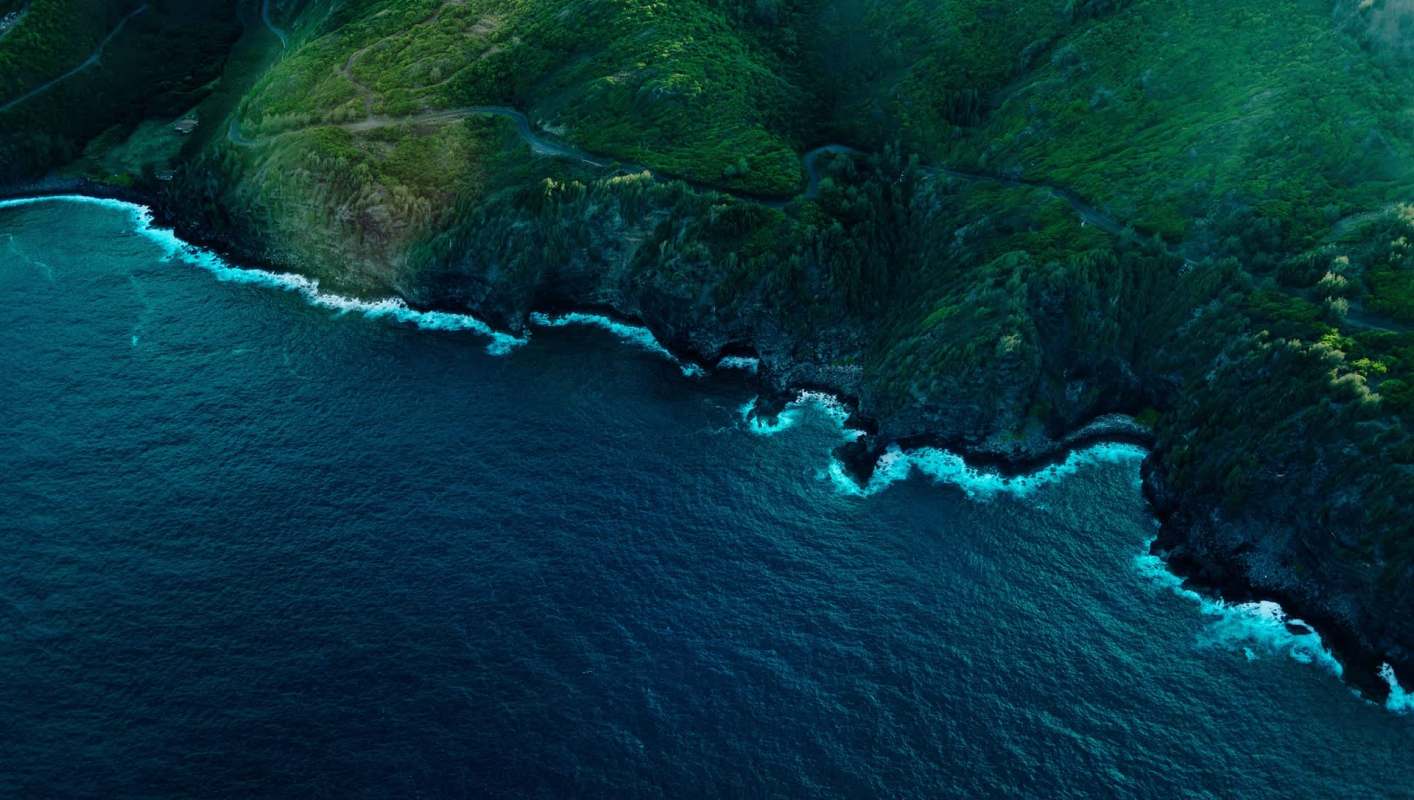
A recent update to an online tool that tracks sea level rise in Hawai'i could help local communities prepare to face growing threats.
What's happening?
Sea levels have risen around the globe by an average of eight to nine inches since 1880, but island and coastal communities are especially vulnerable to the threats posed by encroaching waters.
In an effort to prepare the archipelago of Hawai'i for destructive storm surges, floods, erosion, and more, the state's Climate Change Mitigation and Adaptation Commission has updated its Sea Level Rise Viewer. The online tool tracks rising seas.
A news release from the Hawaiian Department of Land and Natural Resources declared that the revamped tool will help support "smarter coastal planning." The tracker projects that Hawai'i will face sea level rise of up to four feet by the end of the century.
"Sea level rise isn't a distant forecast," state climate coordinator Leah Laramee said in the release. "It's happening now and its impacts are already being felt across Hawai'i."
Why are rising sea levels concerning?
According to the U.S. Earth Information Center, even if the rise in global temperatures driven by human activity were to be stopped overnight, sea levels would continue to increase for centuries due to the damage already done by heat-trapping pollution.
TCD Picks » Quince Spotlight
💡These best-sellers from Quince deliver affordable, sustainable luxury for all




Burning dirty energy sources like oil, coal, and gas has contributed to temperatures rising globally by 1.9°F since 1880, with the majority of that increase happening over the last 50 years. These higher temperatures can cause glaciers to melt and sea levels to rise.
Extreme weather has always existed, but scientists agree that human-induced warming is supercharging these events. With stronger, more destructive storms, tsunamis, and flooding, infrastructure and communities are put at risk — especially those along coastlines.
What can be done about rising sea levels?
Some people are moving to inland and mainland communities to escape encroaching ocean waters and their effects. Sadly, the most vulnerable and historically marginalized populations are too often left behind. Indigenous island communities can be disproportionately impacted, not only in Hawai'i but also around the globe.
Together with improving equitable support for climate-based migrations, local governments and groups can implement infrastructure such as "living shorelines" to help absorb wave action and prevent coastal damage. But experts agree it's also vital that we move away from burning fossil fuels and toward renewable, sustainable energy sources to tackle the root cause of rising seas.
|
Do you think America does a good job of protecting its natural beauty? Click your choice to see results and speak your mind. |
 Definitely 👍
 It is hoped that Hawai'i's updated tool can be used to help tailor related policies across the state. "We need tools like the Sea Level Rise Viewer to make informed planning and policy decisions," Laramee said in the release.
She continued, "These updates give our communities and leaders clearer, more actionable information so we can plan smarter, protect people, and respond to the realities unfolding along our shores."

💰Get TCD's free newsletters for easy tips to save more, waste less, and make smarter choices — and earn up to $5,000 toward clean upgrades in TCD's exclusive Rewards Club.







