


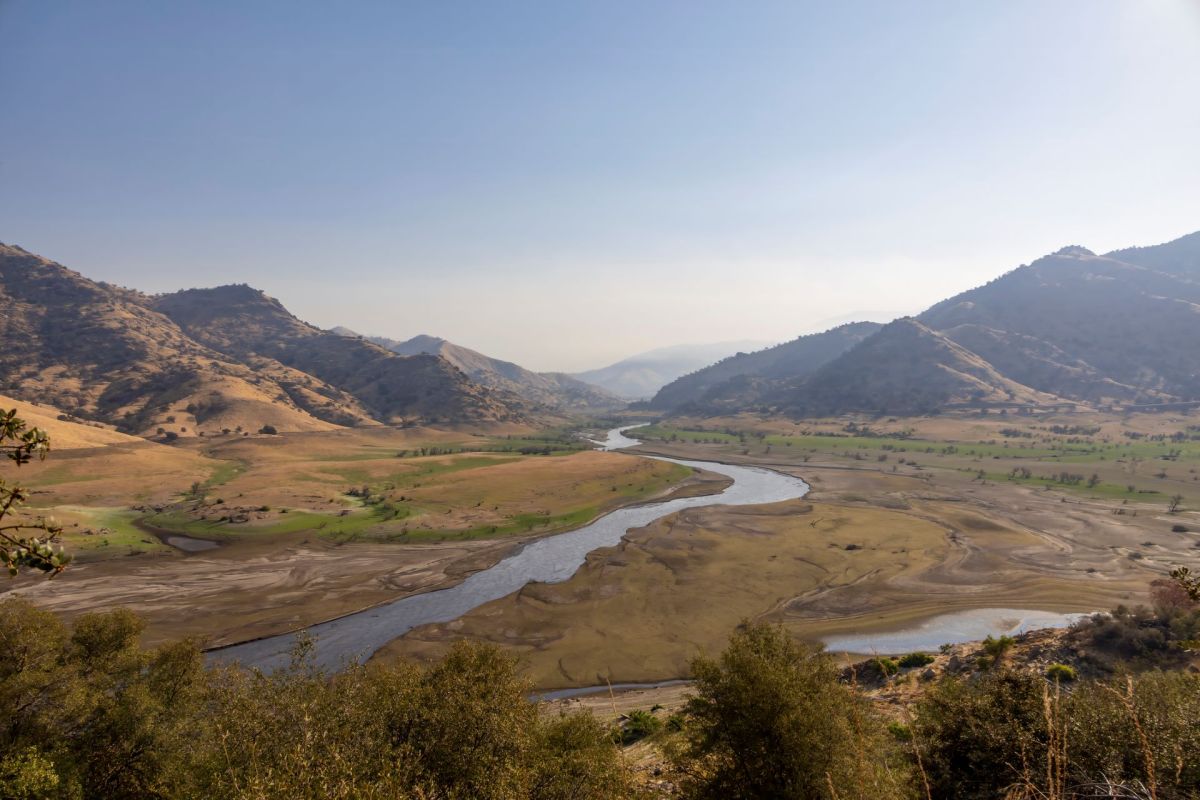
There's a concerning trend in the Sierra Nevada, where snowmelt runoff has been declining for over a century.
What's happening?
The mountain range, mostly located in California, "historically provided about one-third of the state's annual supply for agriculture and urban needs" via spring runoff, the Office of Environmental Health Hazard Assessment reported.
But the fraction of total snowmelt runoff that reaches the Sacramento River during spring has declined by about eight percentage points (about 19%) in the past century, and the story with the San Joaquin River is similar, according to the reporting.
The agency noted that rising global temperatures are affecting the volume and timing of spring runoff. In winter, warmer weather is turning what used to be snow into rain, which decreases the snowpack. When spring arrives early, the snow melts, "reduc[ing] water availability later in the summer and fall."
Why is this important?
The changes are associated with increases in tree deaths and wildfires as well as reduced streamflow, which "impairs cold water habitats, making conditions unfavorable for fish such as trout and salmon," per the OEHHA.
But the issue is not isolated to wildlife or wilderness. While Southern California is one of the driest places in the United States, Northern California — and particularly the Sierra Nevada — receives dozens of inches of precipitation each year.
TCD Picks » Quince Spotlight
💡These best-sellers from Quince deliver affordable, sustainable luxury for all




"Changes in the timing of peak runoff challenge California's water management infrastructure, which was designed for historical conditions," the OEHHA stated.
This tracks with similar information about the Southwest and Northeast, where late spring snowfall is expected to vanish. The trend is worldwide, too. According to Dartmouth College, via SciTechDaily, Europe and Asia are also "on the precipice of a crisis that continued warming will amplify."
While this threatens ski resorts and other weather-based tourism, the risks are much greater. Snow provides drinking water, ensures food security, and powers hydroelectricity.
What's being done about declining snowmelt runoff?
It's important to stay informed about such critical climate issues. Despite recent positive news about California's snowpack, the negative swing is nearly 120 years in the making, supercharging wildfire, flood, and drought events.
|
Do you worry about the longevity of EV batteries? Click your choice to see results and speak your mind. |
 For sure 💯
 Local governments are working to mitigate the effects of the changing climate by updating infrastructure and planning for an increasingly warmer world. Antioch, for example, unveiled a desalination plant that will provide up to 40% of its drinking water.
In general, you can help by reducing your use of dirty energy sources, which produce pollution that is driving temperatures higher. Home upgrades can help while also lowering your utility bills, and simple changes around shopping and eating habits make a big difference as well.

💰Get TCD's free newsletters for easy tips to save more, waste less, and make smarter choices — and earn up to $5,000 toward clean upgrades in TCD's exclusive Rewards Club.







