


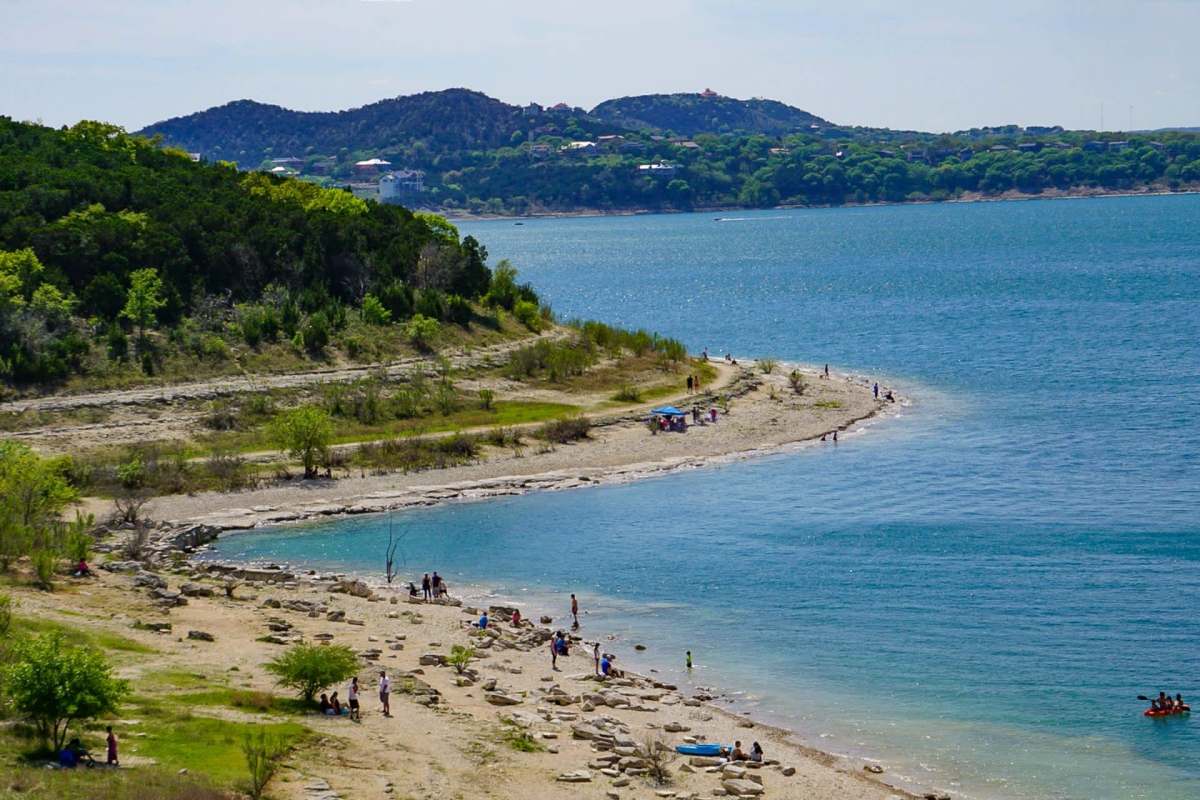
Experts are sounding the alarm as Texas enters yet another year of punishing drought — pushing major lakes toward historic lows and raising concerns for communities across the Hill Country.
What's happening?
South-Central Texas has been stuck in a rainfall deficit since 2022, with San Antonio hit especially hard. According to a report from the San Antonio Express-News, the city is now short nearly 45 inches of rain. That kind of prolonged dry spell doesn't just wilt lawns — it drains the region's lifelines: its lakes.
Canyon Lake, located about 40 miles north of San Antonio, is dropping fast. Water managers confirmed the lake has fallen to just over 890 feet above sea level, losing roughly 232 acre-feet of water per day — that's more than 75 million gallons disappearing daily.
Why is this concerning?
Declining lake levels ripple far beyond an empty shoreline. Lower reservoirs mean higher wildfire risk, struggling farms, and strained drinking-water supplies for fast-growing communities.
Texas has always dealt with dry spells, but the long-term warming trend is now supercharging them — rising temperatures speed up evaporation, weaken water cycles, and make every rainless stretch hit harder. That same warming pattern is also driving droughts to occur more often and last longer than they used to.
This isn't just a Texas problem. Lake Powell, which stretches across Utah and Arizona, has been sinking, too, and California's reservoirs have taken repeated hits during recent drought years. It all points to the same reality: Hotter conditions mean there's less water to go around.
TCD Picks » Quince Spotlight
💡These best-sellers from Quince deliver affordable, sustainable luxury for all




What's being done about it?
Across the Hill Country, water managers have tightened outdoor watering rules and ask residents to use less. They've also been talking directly with communities to get the message across. And on the bigger-picture side, Texas is backing projects that recharge aquifers, promote native and drought plants, and grow its water-reuse programs.
Communities elsewhere are also leaning on new tools. Satellite-based drought monitoring and smart irrigation systems are helping cities stay ahead of water loss — along with organizations restoring wetlands and upgrading storm water systems to make droughts less damaging when they hit.
While no single household can refill a lake, collective habits matter. Everyday steps such as choosing native plants, cutting outdoor watering, fixing small leaks, and reusing greywater when possible all help reduce demand on strained systems.
|
Do you take steps to conserve water at home? Click your choice to see results and speak your mind. |
 All the time 😎
💰Get TCD's free newsletters for easy tips to save more, waste less, and make smarter choices — and earn up to $5,000 toward clean upgrades in TCD's exclusive Rewards Club.







