


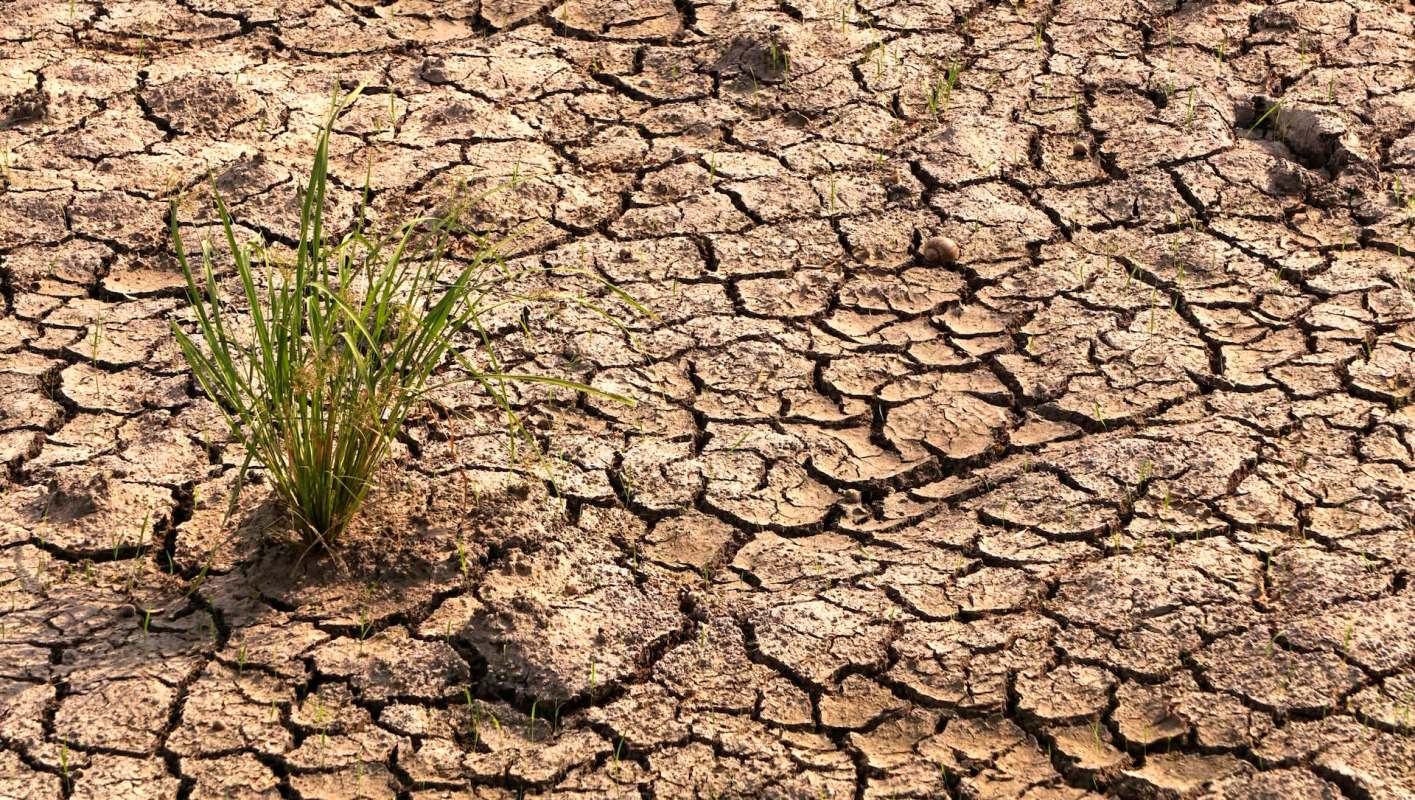
Chestnut farmers are struggling to produce robust crop yields due to the effects of Earth's warming.
What's happening?
According to Ekathimerini, summer droughts across villages near Mount Pelion in Greece have disrupted chestnut production.
Giorgos Nanos, a professor at the Arboriculture Laboratory of the University of Thessaly's School of Agricultural Sciences, said, "This year is one of the worst for chestnut producers in Pelion," per the publication.
In 2024, Reuters reported that chestnut production in Greece dropped by 90%. It seems the situation has not improved since then. Many people in the area depend on chestnuts for their livelihood, making these shortages a threat to their survival.
Unfortunately, it's not just Greek chestnut farmers who are suffering from shortages. The Portugal Post reported similar shortages in Portugal, mainly due to wildfires that ravaged chestnut slopes.
Greek chestnut farmer Yiannis Papageorgiou told Ekathimerini, "Such production cannot even fetch a price that covers the cost of the daily wages of the workers during the harvest … There's nothing to pick. Look how small the chestnuts are."
TCD Picks » Quince Spotlight
💡These best-sellers from Quince deliver affordable, sustainable luxury for all




What do these chestnut shortages mean?
Chestnuts are one of many crops that suffer from changes in the climate. Rising temperatures and extreme weather, such as droughts, can wipe out whole chestnut orchards. The shortages result in chestnut price increases around the world. Consumers who want to roast chestnuts over the holidays will have to pay more.
While the prices go up, many chestnut producers lose money anyway, as they can't harvest enough chestnuts to cover their operating costs, as Papageorgiou pointed out. Without chestnuts, these farmers can't survive.
These chestnut shortages also indicate broader issues related to an overheating planet. Droughts, higher temperatures, and other instances of instability cause the shortages. Chestnut groves can also act as carbon storehouses, sequestering carbon and keeping it out of the atmosphere.
The more groves that are wiped out, the more carbon in the atmosphere, which can contribute to pollution and rising temperatures. It's a dangerous cycle that hurts chestnut producers, consumers, and the planet.
|
What is the biggest reason you don't grow food at home? Click your choice to see results and speak your mind. |
 Not enough time ⏳
 What's being done about chestnut shortages?
To improve chestnut harvests, chestnut groves must be made more resilient. Irrigation systems can mitigate the impact of droughts. Scientists are also working to develop more adaptable, high-yielding chestnut varieties that improve production.
According to Reuters, Greece already gets 57% of its energy from renewable energy sources and hydroelectric plants. This reduces pollution, in turn decelerating Earth's overheating.
Every step toward a cooler, cleaner future can improve chestnut yields, such as conserving water, using less energy, and even reducing your use of plastic. Small habit changes can have a big impact, making the planet a healthier and happier place for everyone.

💰Get TCD's free newsletters for easy tips to save more, waste less, and make smarter choices — and earn up to $5,000 toward clean upgrades in TCD's exclusive Rewards Club.







