


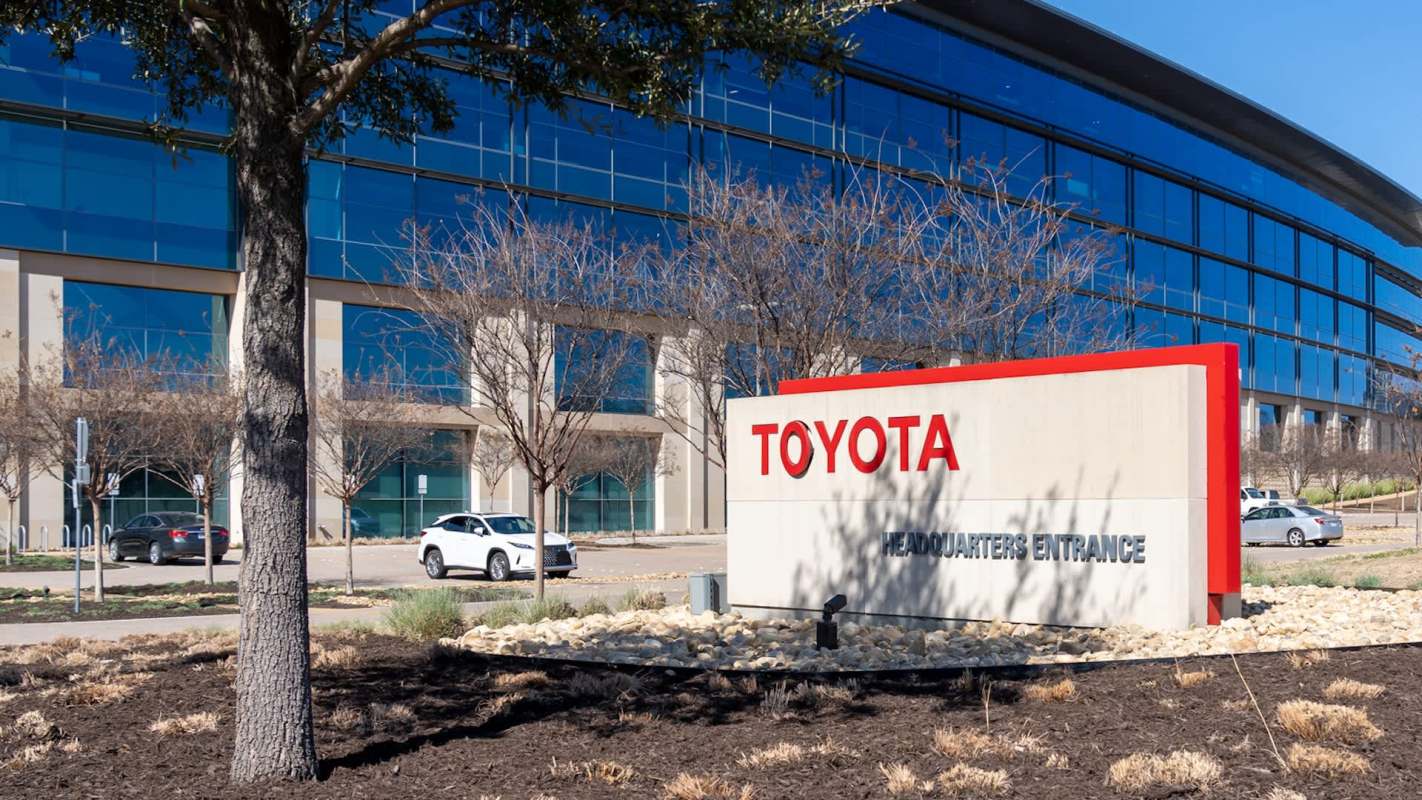
Solid-state electric vehicle batteries have been referenced in media reports as a "silver bullet" and "holy grail" technology. Pundits may soon be able to add quadragenarian to the list.
That's because Toyota recently outlined plans for a version of the packs that will last 40 years, according to Car Expert and other reports. If successful, it's a benchmark that would all but extinguish fears among electric vehicle customers about costly battery replacements. Toyota plans to roll out the tech in 2027-28, per the story.
Most batteries already have an eight-year, 100,000-mile warranty, though automakers can decide which percentage of the battery's capacity is insured. For their part, pack replacements are "exceedingly rare" and can cost thousands of dollars, Recurrent reported. What's more, prices are falling significantly, and Goldman Sachs predicted they will continue dropping.
At 40 years, packs will likely outlive vehicles.
"Even if the vehicle is maybe scrapped — we can remove the battery to a new vehicle, two times, maybe three times," Toyota official Keiji Kaita told Car Expert.
Solid-state packs have a nonflammable firm middle instead of a combustible liquid that is common in most batteries that power EVs. But the problem is irregular, as combustion engine fires are more frequent than EV blazes, according to multiple reports.
When a battery operates, ions travel between two electrodes through the electrolyte. Solid packs are touted as being a safer, longer-lasting, and faster-to-charge alternative. But an affordable manufacturing process has been among the main production hurdles, Top Speed reported.
Porsche is among other companies developing the tech, in part because of a 600-mile range that Car Expert said the battery type could unlock.
Save $10,000 on solar panels without even sharing your phone number Want to go solar but not sure who to trust? EnergySage has your back with free and transparent quotes from fully vetted providers in your area. To get started, just answer a few questions about your home — no phone number required. Within a day or two, EnergySage will email you the best options for your needs, and their expert advisers can help you compare quotes and pick a winner. Solar panels can save you more than $50k over their 25-year lifespan, and EnergySage can help you save as much as $10k on installation. Which begs the question — isn't that worth an email or two? |

In the meantime, EVs are a great way to reduce your transportation costs, largely because of an estimated $1,500 a year in gas and service-related savings. That's thanks to no more oil changes, and you can knock out some fluid replacements as well. Certain states offer perks for buying and charging the cleaner rides, as well.
Charging at home is by far the cheapest option. Qmerit is a trusted resource that can help you get free estimates on Level 2 chargers and installation with some basic information about your home.
|
Would a five-minute charge time make you more likely to get an EV? Click your choice to see results and speak your mind. |
 Yes 👍
Yes 👍 Home solar can add to the savings by providing free sun energy to charge your EV. The Cool Down's Solar Explorer is full of vetted partners that can help you compare quotes, find an installer, and secure tax breaks before they expire Dec. 31, saving you up to $10,000.
Energy independence and the right charger also prevents thousands of pounds of heat-trapping air pollution a year, especially when your EV replaces a gas car, according to Department of Energy data. The planet-warming fumes are linked by NASA to increased risks for severe weather that are causing insurance premium spikes and coverage challenges.
Kaita acknowledged that Toyota's solid-state offering won't be cheap at the outset, so it might take a while for the battery to be used in all the brand's mainstream models.
"Initially, indeed, the price is much higher — but gradually that will get close to others," the expert said.
And there's plenty of value in longevity. Kaita added that the packs could retain 90% of their capacity after four decades. This would also reduce production pollution associated with manufacturing by three-quarters since fewer new packs would be needed.
"This is the potential we are targeting," he told Car Expert.
InsideEVs' Suvrat Kothari has been following Toyota's progress. This could be the innovation that realizes the tech's sometimes biblical descriptions, he concluded.
"If it can finally deliver on these big claims, the EV market could be in for a major reset," he wrote.

💰Get TCD's free newsletters for easy tips to save more, waste less, and make smarter choices — and earn up to $5,000 toward clean upgrades in TCD's exclusive Rewards Club.






