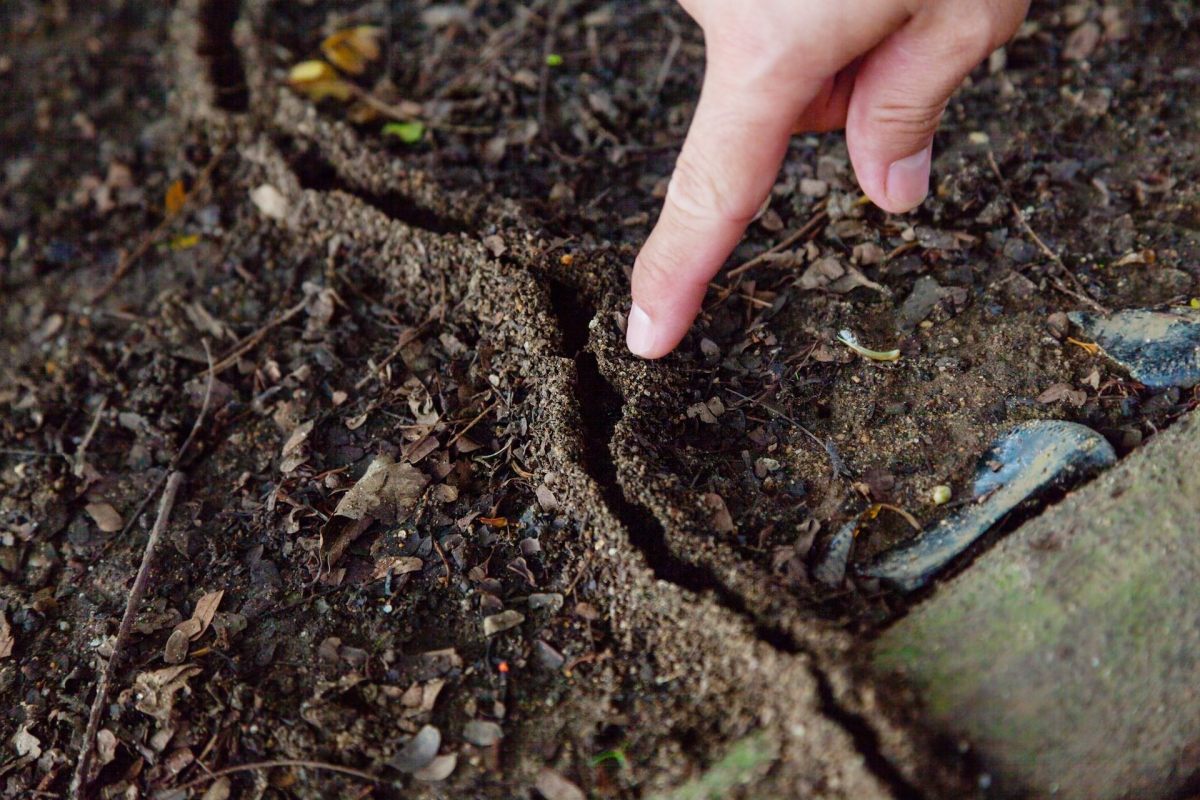
A new and unwelcome visitor has arrived in Mallorca, Spain: the Trichomyrmex destructor, or Singapore ant, reported the Majorca Daily Bulletin.
Experts from Anticimex and the Centre for Ecological Research and Forestry Applications have confirmed its presence in Palma, the first time this invasive species has been found in the Balearic Islands.
Known for damaging buildings, vehicles, and electronics, the pest's arrival has sparked concern among scientists and pest control professionals alike.
What's happening?
The Singapore ant is notorious for its adaptability and destructive habits. It spreads easily through the transport of goods and has been slowly spreading across Spain since it was first detected in Barcelona in 2005.
After years of sporadic sightings, it became firmly established in Malaga in 2019 and in Marbella in 2020. Now, its foothold in Mallorca confirms the species' continuing expansion.
Unlike many ants, Trichomyrmex destructor forms vast colonies with multiple queens, allowing it to reproduce rapidly and thrive both indoors and outdoors.
TCD Picks » EDF Spotlight
💡EDF's Vital Signs newsletter delivers stories about game-changing solutions close to home and around the world




It can chew through fabrics, insulation, and electrical cables, contaminate foods, and deliver painful bites.
"It is essential to take extreme precautions," warned Carlos Pradera of Anticimex, underscoring the importance of acting swiftly to contain its spread.
This detection also raises the tally of exotic ant species in the Balearics to sixteen, a sobering reminder of how human activity can unintentionally introduce new organisms to fragile environments.
Why is this concerning?
Invasive species often outcompete native wildlife for food, nesting sites, and other vital resources. When this happens, ecosystems lose balance, and communities bear the consequences.
TCD Picks » Quince Spotlight
💡These best-sellers from Quince deliver affordable, sustainable luxury for all




|
Should the government be allowed to ban certain plants? Click your choice to see results and speak your mind. |
 Definitely 👍
 The Singapore ant's habit of nesting in electrical sockets, potted plants, and even computers highlights the overlap between ecological and human impacts.
Protecting native species and habitats isn't just about conserving biodiversity; it safeguards local economies, food supplies, and public health. A disrupted environment can lead to greater property damage, higher pest-control costs, and increased risks of contamination or disease.
In short, a healthy ecosystem supports a healthy community.
What can be done?
Anticimex advises residents to maintain strict cleanliness, properly manage food waste, and carefully inspect incoming goods. If the ants are suspected, contacting pest control professionals immediately is key.
While tiny, the Singapore ant represents a large-scale warning: vigilance, prevention, and early action can help keep Mallorca's homes, ecosystems, and communities safe for the future.

💰Get TCD's free newsletters for easy tips to save more, waste less, and make smarter choices — and earn up to $5,000 toward clean upgrades in TCD's exclusive Rewards Club.
Cool Picks