


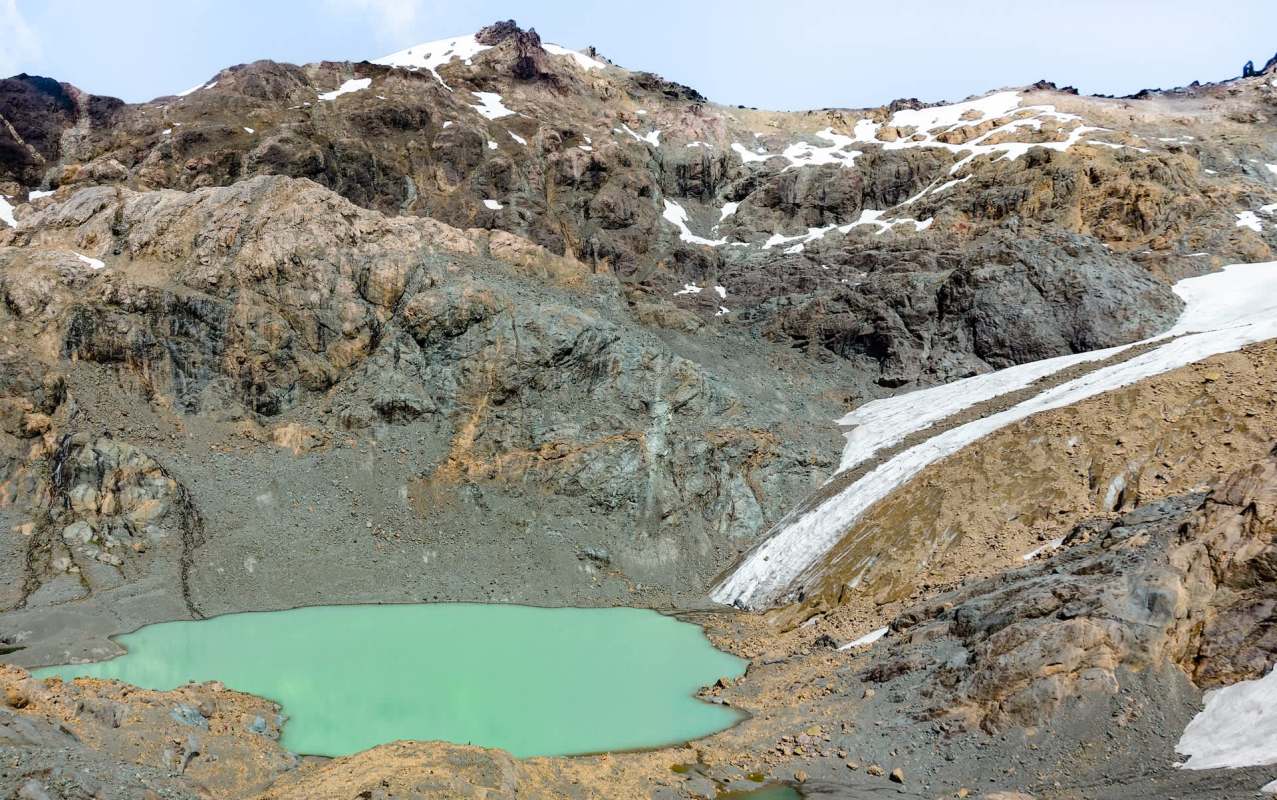
Argentina has been making waves with a new park conserving a vast marine habitat, the result of a partnership between a nongovernmental organization and the federal government.
The country's southern province of Chubut is now home to the Patagonia Azul Provincial Park, which covers 740,000 acres — 87% of which is marine habitat, according to Mongabay. Over 60 islands and kelp forests are now part of this legally protected area.
The park was made possible through the efforts of the NGO Rewilding Argentina, the Argentinian government, and the United Nations Educational, Scientific, and Cultural Organization.
Back in 2013, the government established the Southern Patagonia Interjurisdictional Coastal Marine Park. Two years later, it was granted UNESCO Biosphere Reserve status due to its unique biodiversity and local efforts to sustain it.
More recently, Rewilding Argentina helped to expand the conservation area's footprint by purchasing previously abandoned ranchland and donating it to the state, which granted the new park Provincial Protected Area status. Now, 44,000 acres and 19 miles of coastline donated to Chubut serve as the park's main entrance.
Nadia Bravo of the Ministry of Tourism and Protected Areas of Chubut told Mongabay that the new park "will undoubtedly have positive effects" on the existing reserve.
TCD Picks » Quince Spotlight
💡These best-sellers from Quince deliver affordable, sustainable luxury for all




The area's biodiversity includes 50 species of seabirds and 40% of the global population of Magellanic penguins, according to the environmental news outlet. Rewilding Argentina has also noted that four species of whales migrate through its waters, with the protected marine habitat also a designated no-take zone to address the impacts of industrial fishing.
The NGO's executive director, Sofia Heinonen, previously told BBC's Discover Wildlife, "Patagonia Azul places under legal protection one of the most biodiverse areas of the Argentine Sea."
Healthy marine life promotes pollution filtering through carbon absorption, nutrient cycling, and greater resilience to environmental changes, such as rising global temperatures. But it can also make ecotourism a sustainable reality, along with the twin goals of raising awareness and boosting the economy. Mongabay reported that Rewilding Argentina predicts the park could bring over 445 jobs within a decade and up to $8.5 million in annual local revenue.
As of last May, plans were "already underway to build trails, campsites, a biological station, and marine access points," according to Discover Wildlife. Helping visitors form an eco-conscious relationship with coastal spaces — sometimes ignored in favor of the country's inland habitats — could help nurture public support for this and future conservation projects.
|
Do you think America does a good job of protecting its natural beauty? Click your choice to see results and speak your mind. |
 Definitely 👍
💰Get TCD's free newsletters for easy tips to save more, waste less, and make smarter choices — and earn up to $5,000 toward clean upgrades in TCD's exclusive Rewards Club.







