


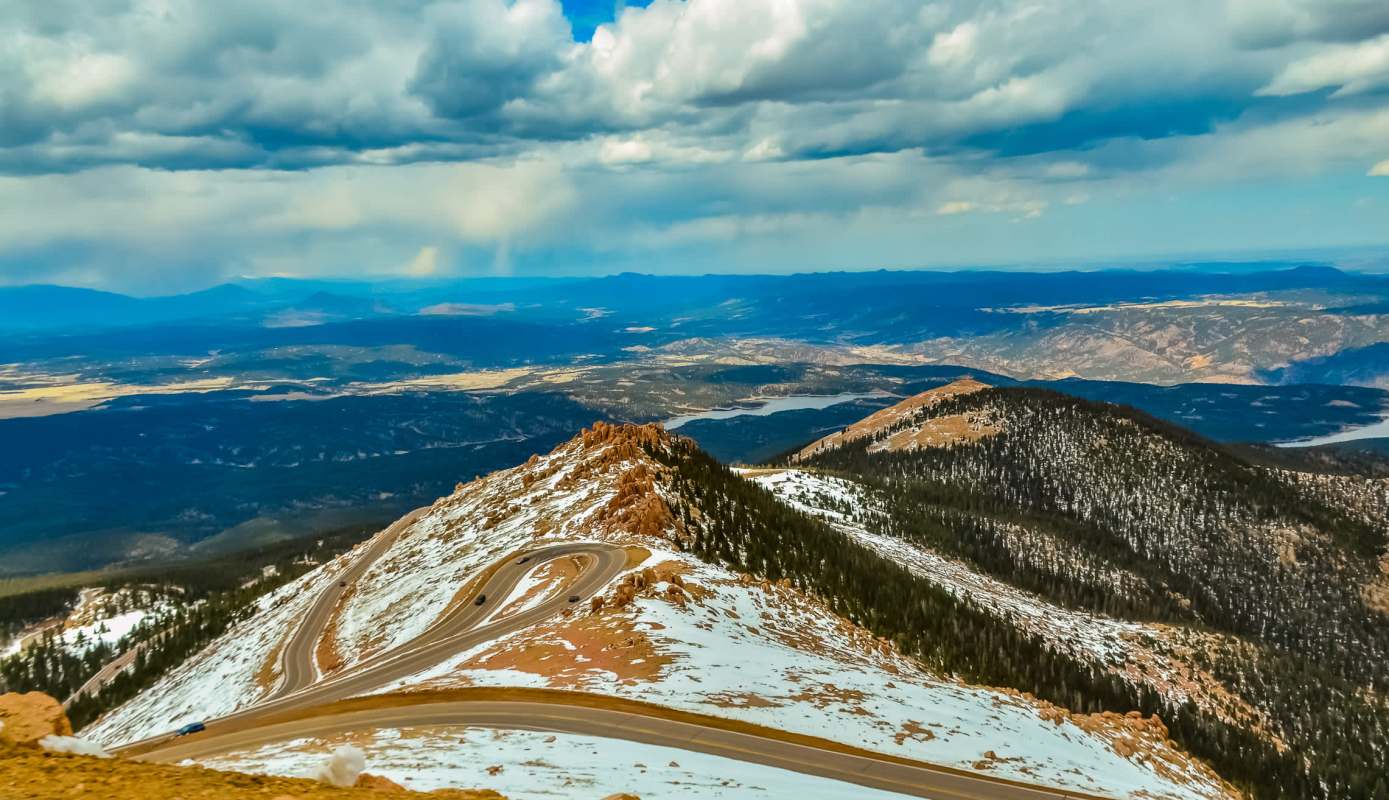
New research from the University of Colorado, Boulder, found that spring is arriving earlier on Colorado's Pikes Peak — and the shift is disrupting the delicate balance between plants and pollinators.
What's happening?
On Pikes Peak, rising temperatures and earlier snowmelt have caused wildflowers to bloom about 17 days earlier and pollinators to become active about 11 days earlier compared to just a century ago.
This can cause major problems as some pollinators fall out of sync with the plants they rely on. The western bumblebee, for example, now emerges 12 days earlier than it did historically, increasing the risk that the flowers it depends on will have already finished blooming by the time the species reaches its peak.
"This mismatch in the schedules of western bumblebees and the plants they historically fed on could add another stressor on top of everything else this species is facing," senior author Julian Resasco said in a press release.
The university reported that Colorado's average temperature has risen by 2.9 degrees over the past century, with winter temperatures rising even more — by 3.3 degrees. These warmer conditions have decreased the amount of snow accumulating on top of the mountains, lowering the amount of water available for mountain species in spring and summer.
Warming temperatures and snowmelt are key cues for plants and insects to emerge from their winter dormancy. But as the climate warms and snow melts earlier, these cues are shifting, prompting plants to flower and pollinators to become active sooner.
TCD Picks » Quince Spotlight
💡These best-sellers from Quince deliver affordable, sustainable luxury for all




The research team analyzed 25 wild pollinator species — including bumblebees, wasps, and flies — along with 11 flowering plants these insects interact with, forming 149 plant-pollinator interaction pairs. Nearly 80% of these pairs now overlap more in their active periods than they did historically.
Historically, pollinators were active slightly before plants began flowering. But now, the pattern is reversing. While that might seem beneficial, researchers warn that the trend could be dangerous.
"If the trends continue, we may see plants flower before pollinators become active in the future," study author Leana Zoller said in the release. "Mismatches may occur among these currently overlapping pairs as plants and pollinators continue to respond differently to changing conditions."
Why is this trend important to understand?
The shifting timelines of plant and pollinator activity in spring are a clear sign of how climate shifts alter ecosystems in complex — and often harmful — ways.
|
Do you think kids learn enough about gardening in school? Click your choice to see results and speak your mind. |
 Not even close 🧑🌾
 Pollinators are essential to the health of our planet. As the study noted, pollinators — including honeybees and countless wild species — contribute to the reproduction of about 75% of the world's flowering plants and about 35% of the world's food crops.
When plants and pollinators fall out of sync, it disrupts the delicate relationships that many species depend on for survival. Pollinators rely on flowering plants for food, while plants depend on these insects for reproduction. If warming causes flowers to bloom before pollinators are active, both groups can suffer, leading to declines in biodiversity.
This decline could have far-reaching effects — weakening entire ecosystems, reducing food availability, and even affecting agriculture and water availability. The changes on Pikes Peak are an early warning of how climate shifts can destabilize natural systems that humans and countless other species rely on.
"Wild pollinators help maintain the biodiversity of plants in our ecosystems," Resasco said in the release. "We have a responsibility to make sure they don't disappear."
What's being done to help reverse the trend?
Countless efforts are underway to help address the disruption to plant-pollinator interactions caused by climate shifts. Conservation groups and global governments are restoring and expanding pollinator habitats by planting native species. These restored areas can help provide pollinators with more food options as temperatures and blooming times shift.
At the same time, scientists are monitoring how pollinators respond to climate shifts and developing further conservation plans. This includes encouraging landowners and communities to reduce pesticide use and landscape with native plants to support vulnerable pollinators.

💰Get TCD's free newsletters for easy tips to save more, waste less, and make smarter choices — and earn up to $5,000 toward clean upgrades in TCD's exclusive Rewards Club.







