


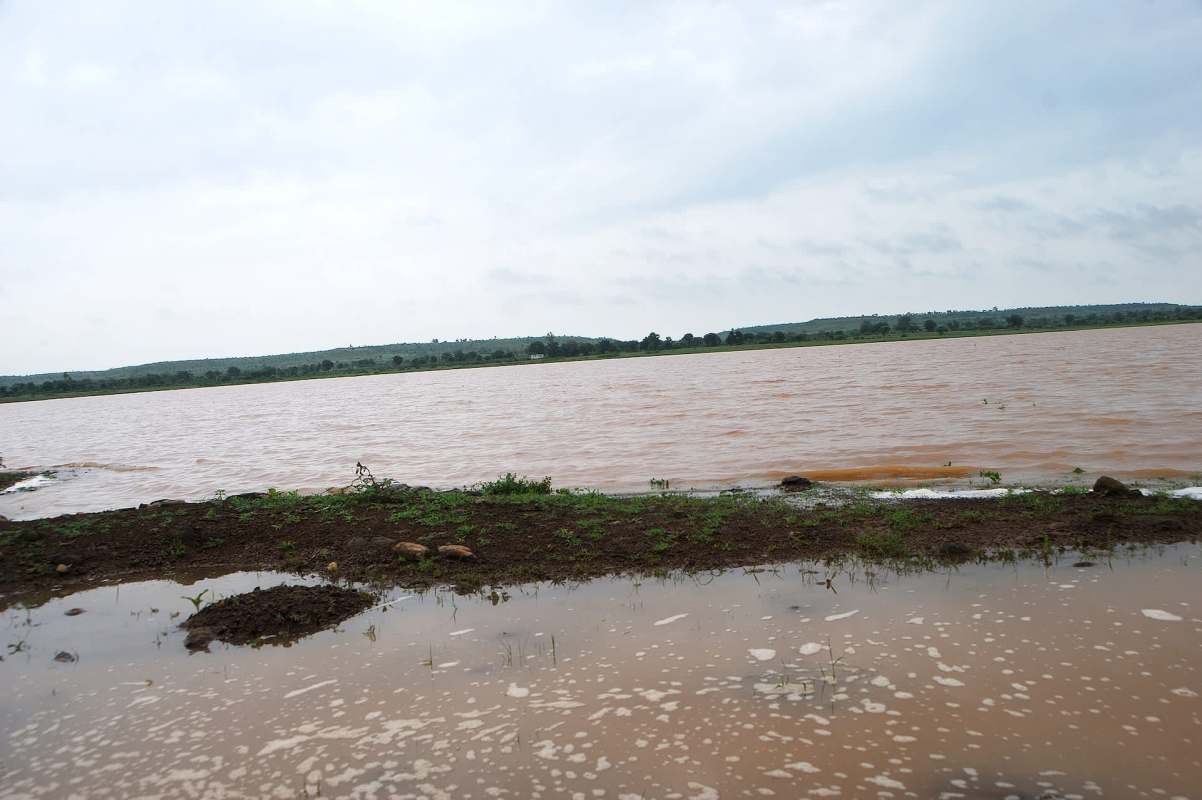
Due to torrential rainfall and flooding, the southern Indian district of Yadgir has suffered devastating crop losses, The Hindu reported.
Floods destroyed more than 350,000 acres of farmland in August and September.
What's happening?
A survey found that more than one-third of Yadgir's farmland was destroyed, with cotton taking the hardest hit, accounting for over 250,000 acres.
Other crops, including rice, lentils, and sugarcane, were also damaged, while fruits such as tomatoes and papayas were devastated.
The survey, conducted by the agriculture and horticulture departments, was submitted to the Karnataka state government, according to The Hindu.
Farmers are waiting to receive compensation for their losses as they prepare for the next growing season.
TCD Picks » Quince Spotlight
💡These best-sellers from Quince deliver affordable, sustainable luxury for all




Why are crop losses important?
The impacts of extreme weather on farmland affect both farmers and consumers.
Farmers rely on their harvests to make a living, and consumers depend on those crops for healthy, affordable food. More than 40% of India's workforce is employed in agriculture, indicating a heavy reliance on consistent crop yields.
These losses are largely due to rising global temperatures, which are driving more rainfall and flooding. Warmer air holds more moisture, which leads to heavier downpours that overwhelm fields and destroy crops.
What's being done about the crop loss?
While short-term compensation may help farmers get back on their feet, long-term solutions are needed to address the root cause of worsening weather events.
|
What is the biggest reason you don't grow food at home? Click your choice to see results and speak your mind. |
 Not enough time ⏳
 Activities that release heat-trapping pollution — such as burning coal, oil, and gas — are driving rising global temperatures. Transitioning away from dirty fuels and toward more affordable sources like solar, wind, and hydropower will help reduce risks over time.
Other solutions for India's agricultural vulnerability include repairing and rebuilding farms to be more climate-resilient, with improved irrigation and drainage systems.
These upgrades provide crop stability and protection during extreme weather events, helping farmers maintain yields as conditions become increasingly unpredictable.

💰Get TCD's free newsletters for easy tips to save more, waste less, and make smarter choices — and earn up to $5,000 toward clean upgrades in TCD's exclusive Rewards Club.







