


A changing climate and rising temperatures have resulted in some birds changing their migratory patterns.
What's happening?
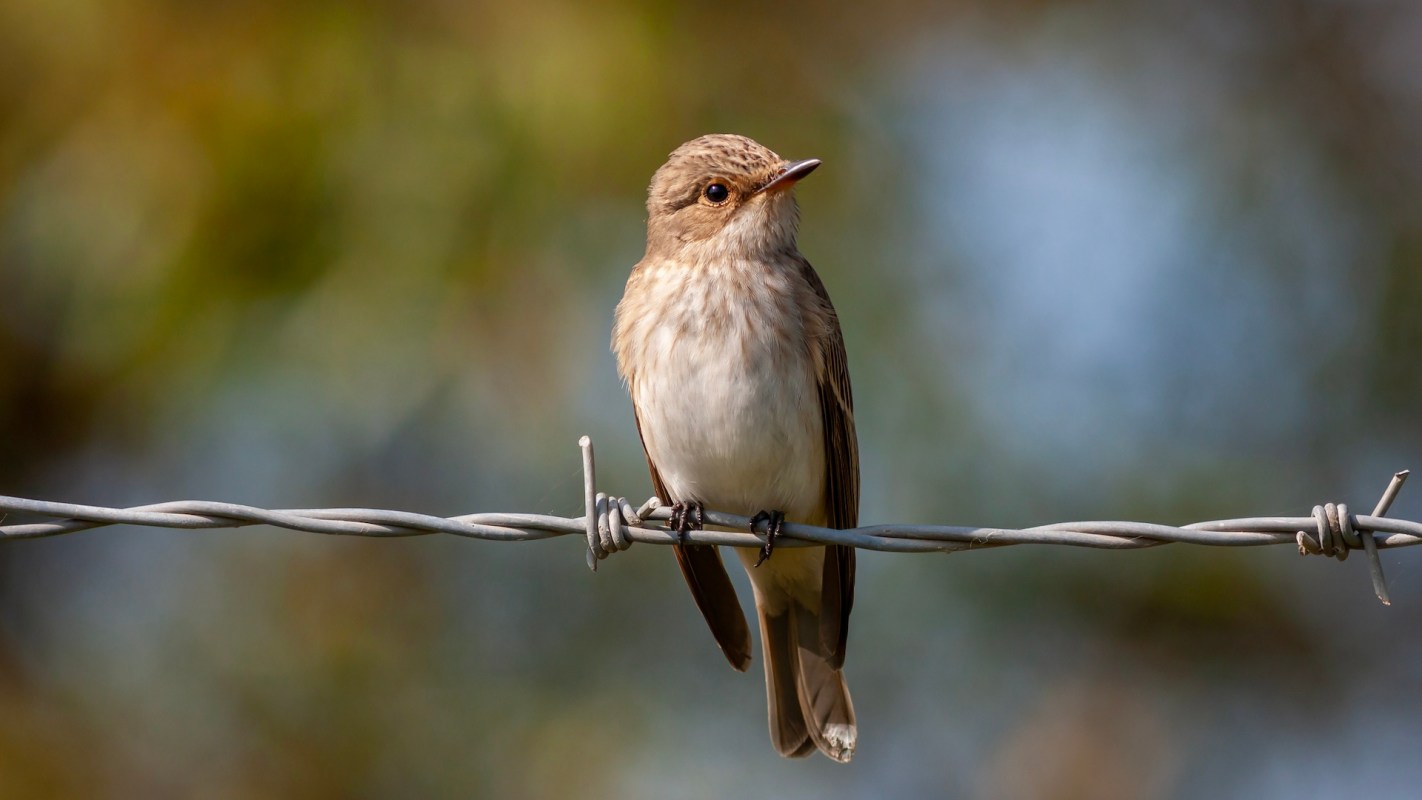
According to Nature, researchers conducted a study on the spotted flycatcher, a bird species that is typically a trans-Saharan migrant but has taken to wintering north of the Sahara Desert in the past decade or so.
While studies have previously examined the migration patterns of birds in spring, there is limited data on how the changing climate affects winter migratory patterns. The study determined that the spotted flycatcher had indeed expanded its wintering north of the Sahara.
This change in migratory patterns could have a positive or negative long-term effect, though which one remains to be seen. On the positive side, changing its wintering spot allows this species to reduce the time it takes to migrate, which could improve mortality outcomes.
However, since the study determined that temperature had much to do with how the birds migrate, it means that a sudden cold snap or other extreme fluctuation in temperature could result in higher mortality rates for the birds.
As the study stated in its closing, "ultimately, the diversity of migratory strategies across different geographical regions, and even among species within the same area, serves as a survival strategy that may have significant implications for population regulation and viability."
TCD Picks » Quince Spotlight
💡These best-sellers from Quince deliver affordable, sustainable luxury for all




Why are changing migratory patterns concerning?
Birds migrate each year in search of enough resources to better survive winter conditions. Birds are critical to our ecosystem, as they help spread seeds and act as natural pest control.
When their migration patterns change because of rising global temperatures caused by heat-trapping gases in Earth's atmosphere and other changes to the climate, ecosystems become unbalanced and can cause a ripple effect that affects other wildlife, plants, and even humans.
Changes in migration can negatively affect the birds, too, as this study indicates. Though there may be some benefit to wintering closer to home, this shift in migration patterns for the spotted flycatcher could result in the species needing to compete with nonmigratory birds for vital resources, leaving some without enough, which could add to population decline.
What's being done about bird migration?
There is hope that bird species of all kinds can learn to adapt how they live to survive the changing climate, and in some cases, researchers have gone as far as teaching new migratory routes to birds.
Of course, the best way to help bird species thrive is to reduce the amount of heat-trapping gases released into the atmosphere, which will help cool the planet off and allow them to continue living and migrating as they always have.
|
Do you think America does a good job of protecting its natural beauty? Click your choice to see results and speak your mind. |
 Definitely 👍
💰Get TCD's free newsletters for easy tips to save more, waste less, and make smarter choices — and earn up to $5,000 toward clean upgrades in TCD's exclusive Rewards Club.







