


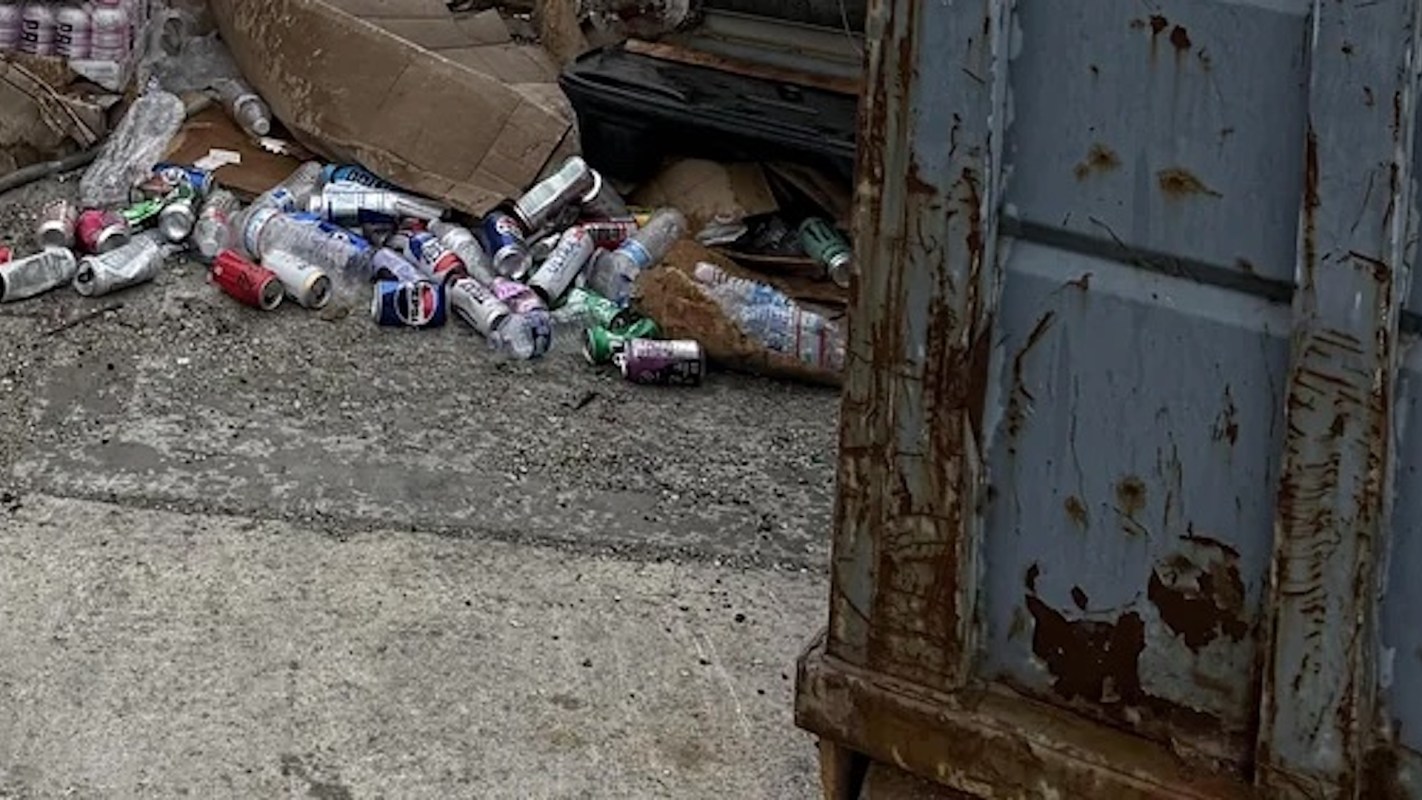
When YouTube sensations Logan Paul and KSI launched Prime Hydration in 2022, they envisioned their brand competing with the likes of Coca-Cola and Pepsi.
However, Prime sales have plummeted despite an early sales boom, per MarketingWeek. It appears the legacy of Prime won't be what they intended. One Redditor suggested the unsold pile of discarded energy drinks could be what makes a lasting impact.
What's happening?
The Reddit user shared an image of unsold (and plastic-wrapped) Logan Paul "Nectar" piled high at a dump site.
This came as no surprise to one commenter, who wrote: "They refused to believe it was a fad … Now they can't sell half of what they produced."
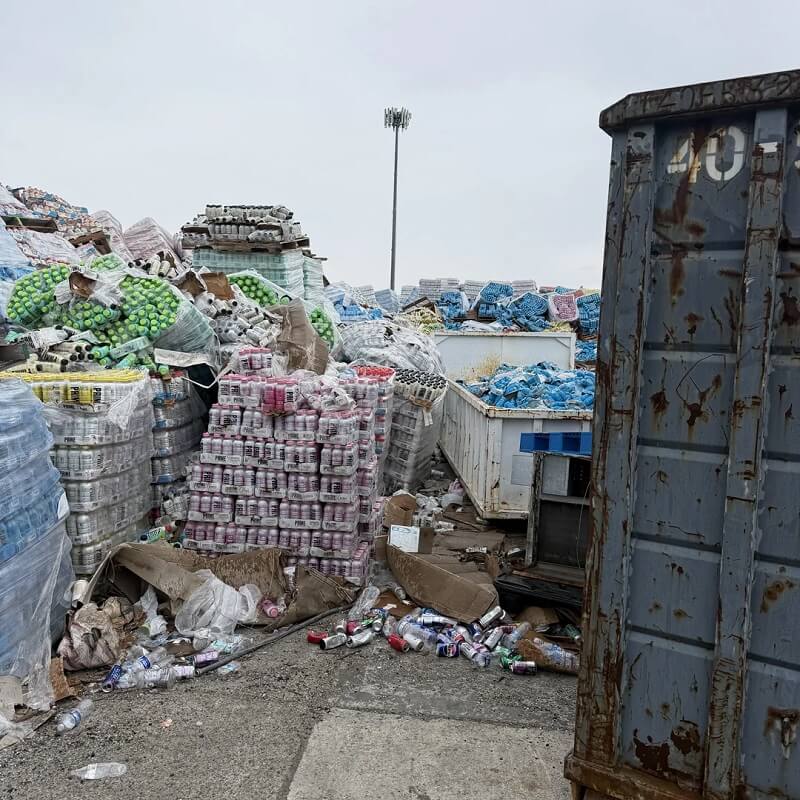
"It also doesn't help the drink tastes like artificially sickly sweetened garbage juice," someone responded.
Another added: "Yeah I tried one time because it was really cheap on clearance sale, wouldn't drink again for free."
TCD Picks » Quince Spotlight
💡These best-sellers from Quince deliver affordable, sustainable luxury for all




Business Insider went so far as to say that Prime's meteoric rise and sharp decline should be "a cautionary tale for influencers." According to the New York Post, lawsuits have accused Prime of infringing on trademark rights and of backing out of a manufacturing deal. Health professionals have criticized the energy drinks for their high caffeine levels.
Why is this important?
A hype marketing campaign was a driving factor in the stunning early success of Prime. But as Mashed detailed in its breakdown of Prime's "downfall," the brand failed to create a plan for long-term growth. An excess of unsold products is perhaps not wholly unexpected.
Nonetheless, overproduction has left more than just the brand itself with a mess to clean up.
The plastic bottles and wrap sitting in the dump will take tens to hundreds of years to break down. They'll chip into tinier and tinier particles known as microplastics. It's one of the most pervasive forms of waste on the planet and is found in air, water, and soil.
|
Should companies be required to help recycle their own products?
Click your choice to see results and speak your mind. |
 Definitely 👍
 A growing body of research indicates the potential impacts of microplastic exposure include DNA damage, metabolic disorders, organ dysfunction, and reproductive difficulties.
Is Prime Hydration doing anything to minimize its environmental impact?
Prime Hydration said on its website that its Hydration bottles and Energy cans are recyclable. However, recycling rates depend on collective action and supportive infrastructure.
Reverse vending machines are making it easier to recycle. The fact remains, however, that every part of plastic's lifecycle is incredibly polluting — and global recycling rates still hover below 10%.
DitchCarbon gave Prime a score of 18 out of 100 based on available data about the company's carbon action and commitment to reducing harmful pollution. That score is lower than 87% of other players in the beverage industry tracked by the platform.
What can be done about this more broadly?
Supporting eco-friendly initiatives from mainstream brands can lead to additional endeavors down the road. Every action takes us one step closer to a cooler, cleaner future.
You can also choose plastic-free products when possible to help limit demand for new plastics. Grocery shopping with reusable cloth bags is one easy way to begin your journey.

💰Join TCD's exclusive Rewards Club to earn up to $5,000 toward clean upgrades that will help you slash your bills and future-proof your home.







